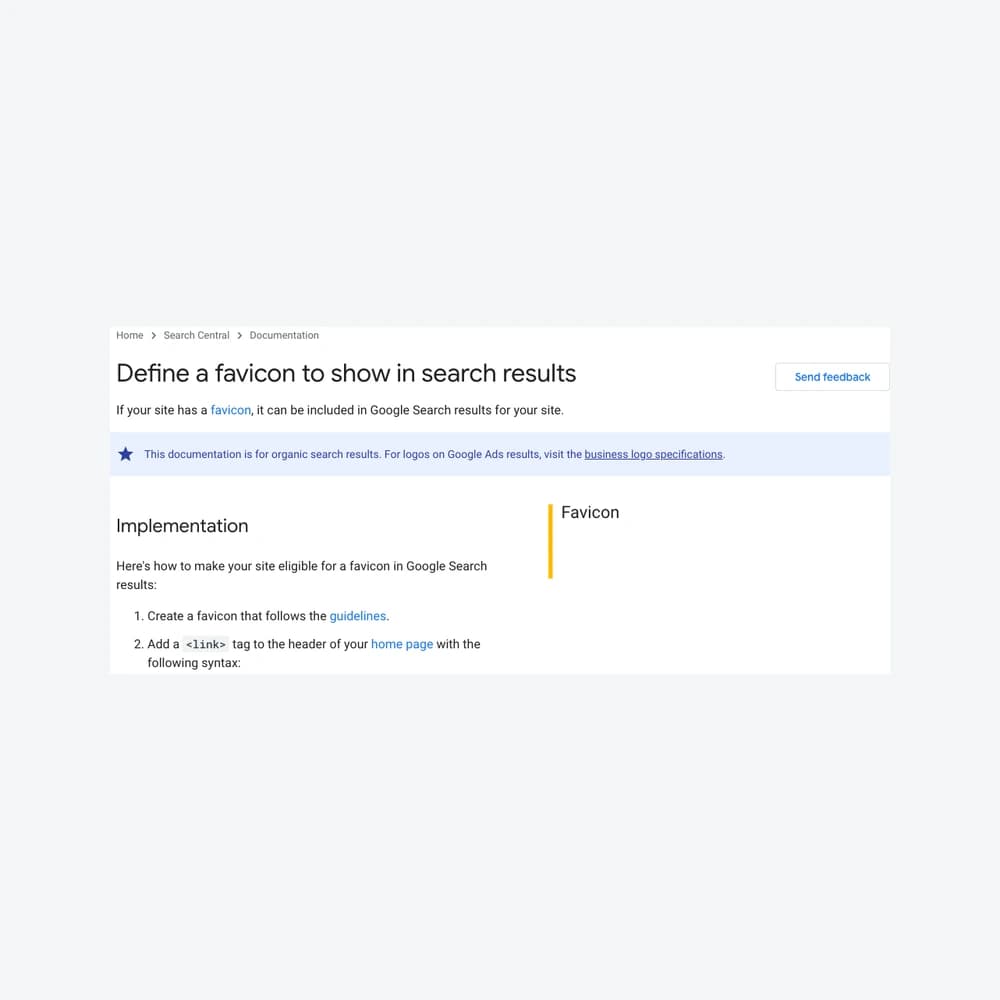
Google documentation updated 27 October and reported on 28 October clarifies homepage and favicon crawling. This is not a ranking or Search Console update.
↗︎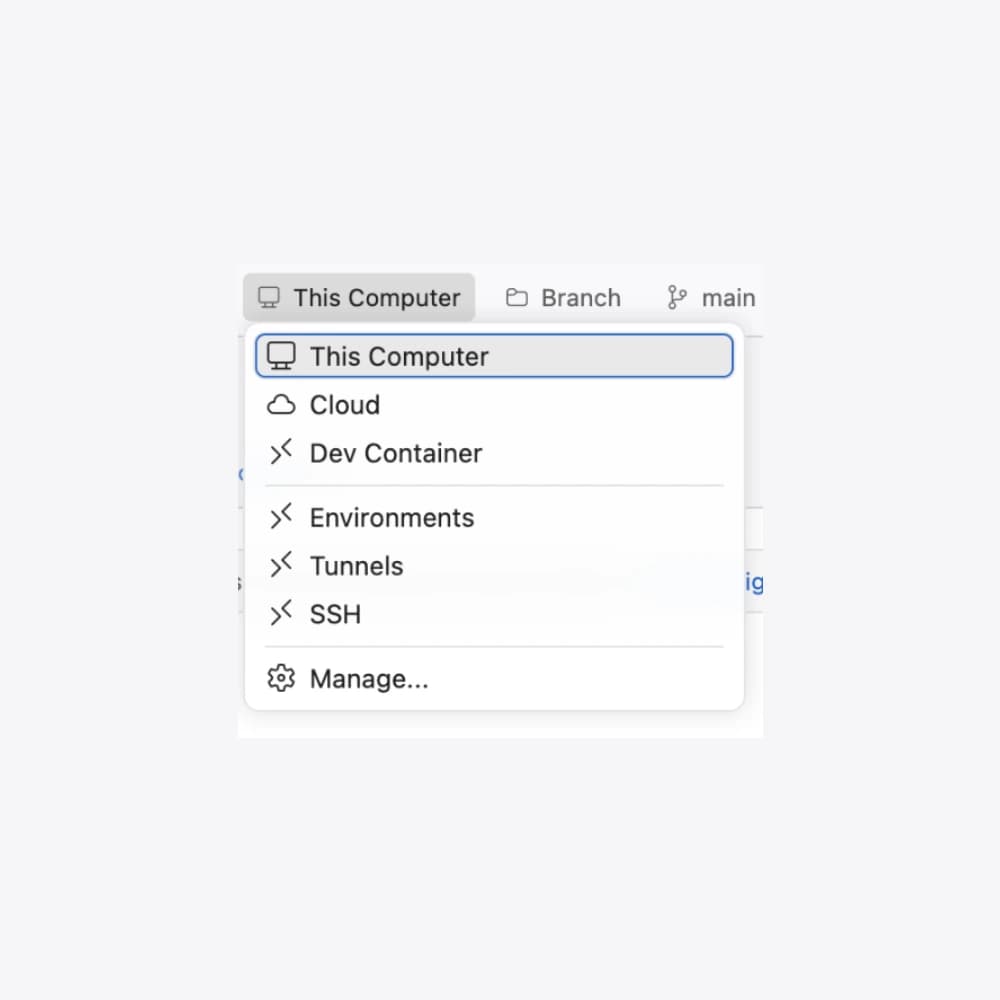
The 28 October VS Code release highlights AHP 1.0 and the Agents window. Understand execution hosts, synchronized sessions and access boundaries.
↗︎
Apple announced PROLED XDR MacBook Pro models with M5 Pro and M5 Max on 28 October. Separate display changes, availability and workflow evaluation.
↗︎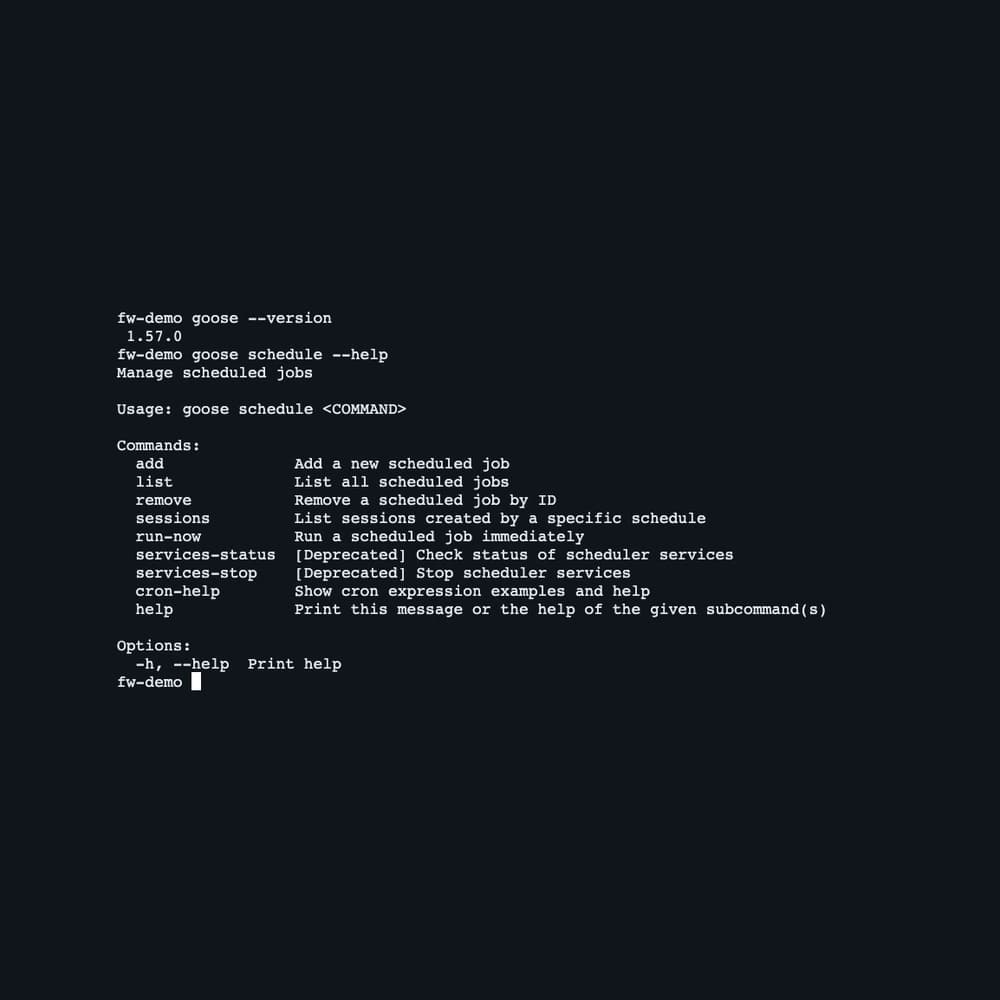
Goose 1.57.0, released 28 October UTC, fixes scheduled jobs using global settings instead of recipe settings. Verify model and execution limits.
↗︎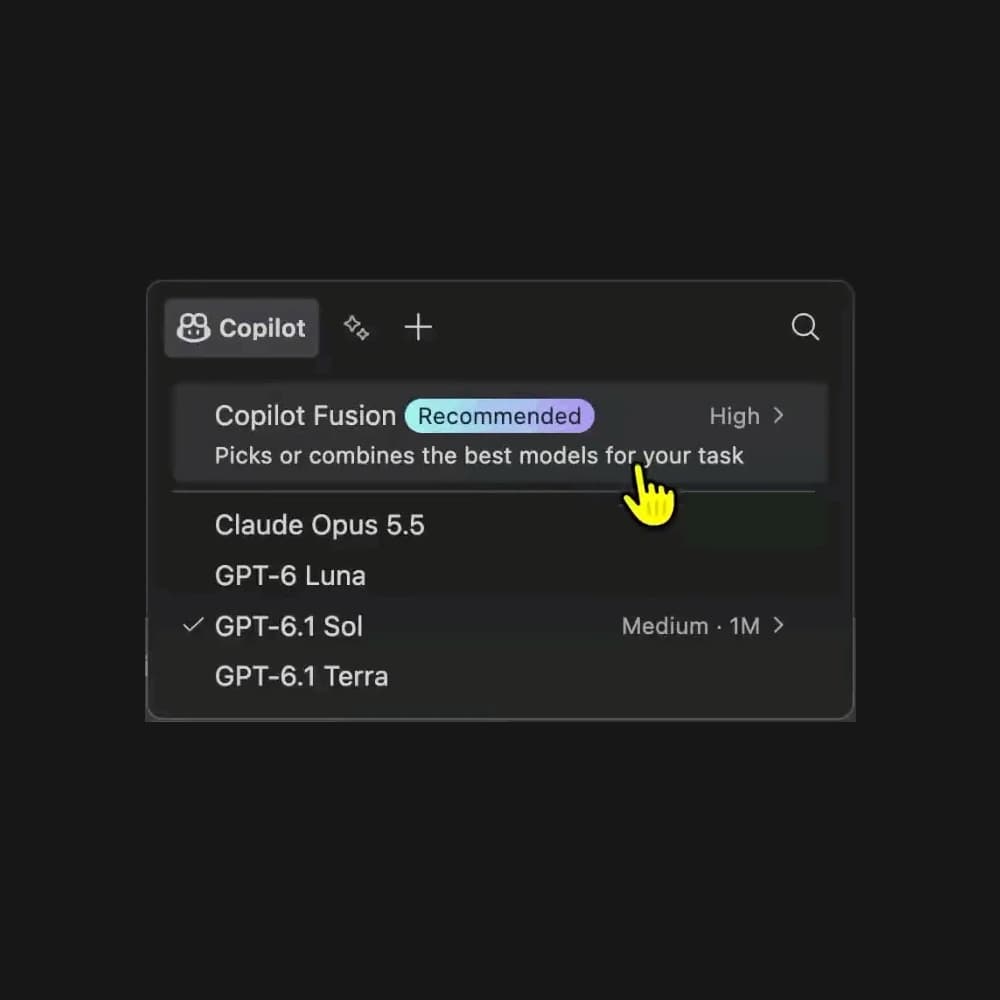
GitHub announced Copilot Fusion on 28 October. Understand effort levels, eligible plans, model orchestration and the costs teams should measure.
↗︎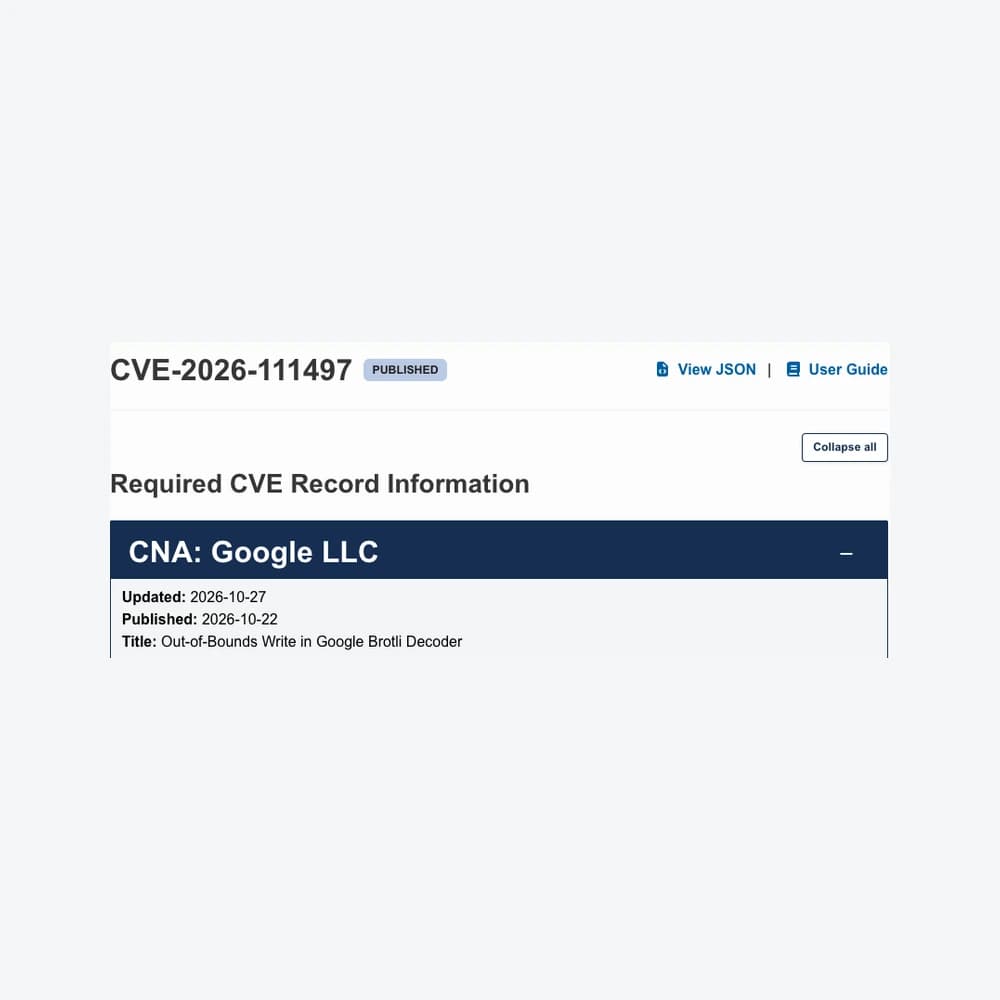
A 29 October NCSC warning concerns CVE-2026-111497. Check affected Brotli branches, AWS rollout conditions and evidence that a runtime is patched.
↗︎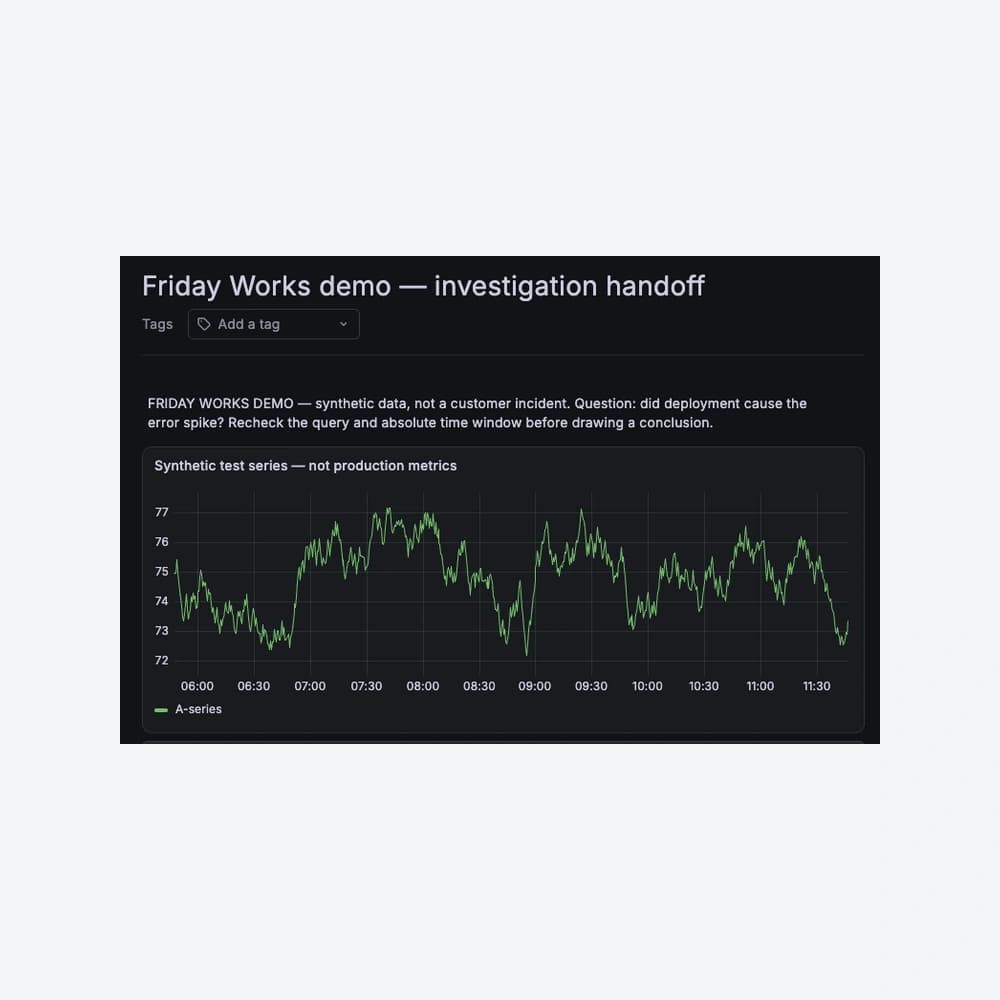
The October 27 self-managed release adds Notebooks in public preview. Combine notes and queries for handoffs, while distinguishing a time lock from a data snapshot.
↗︎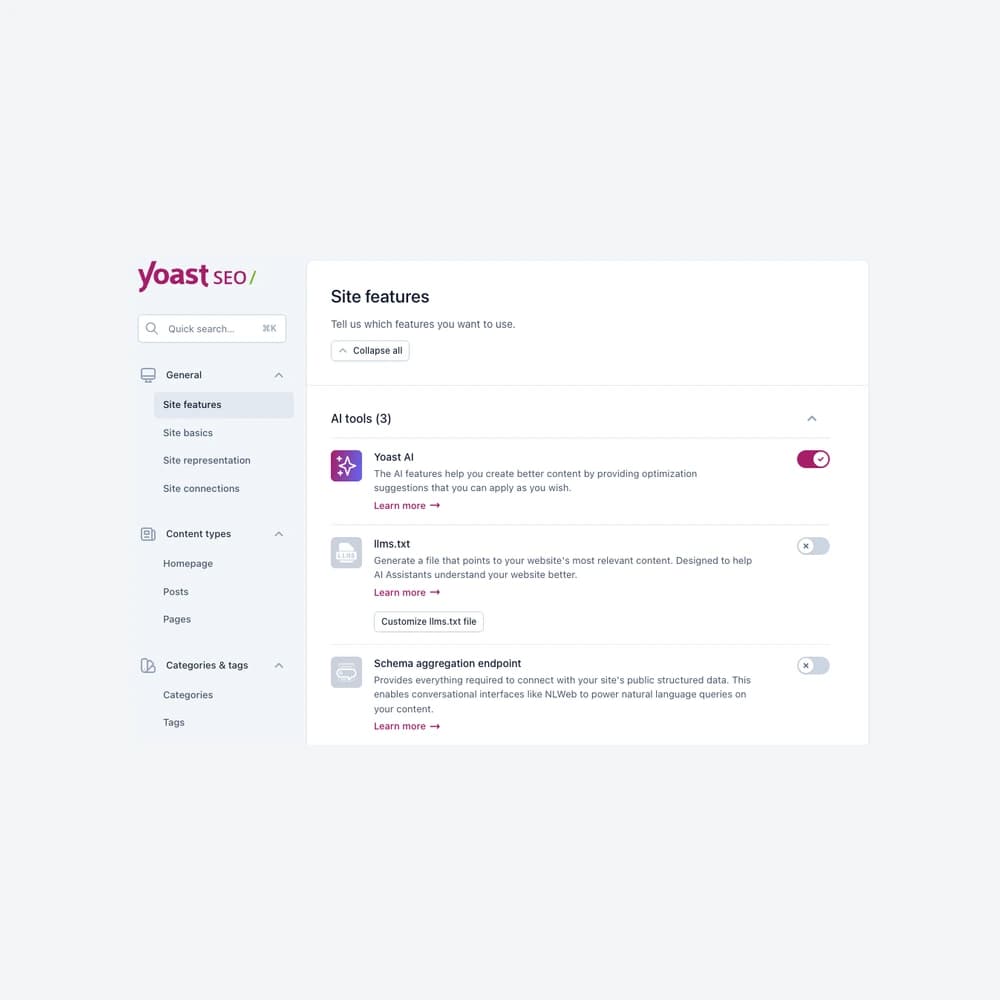
The October 27 release exposes more SEO settings through the Abilities API. WordPress 7.0 is the new minimum; new controls do not guarantee higher rankings.
↗︎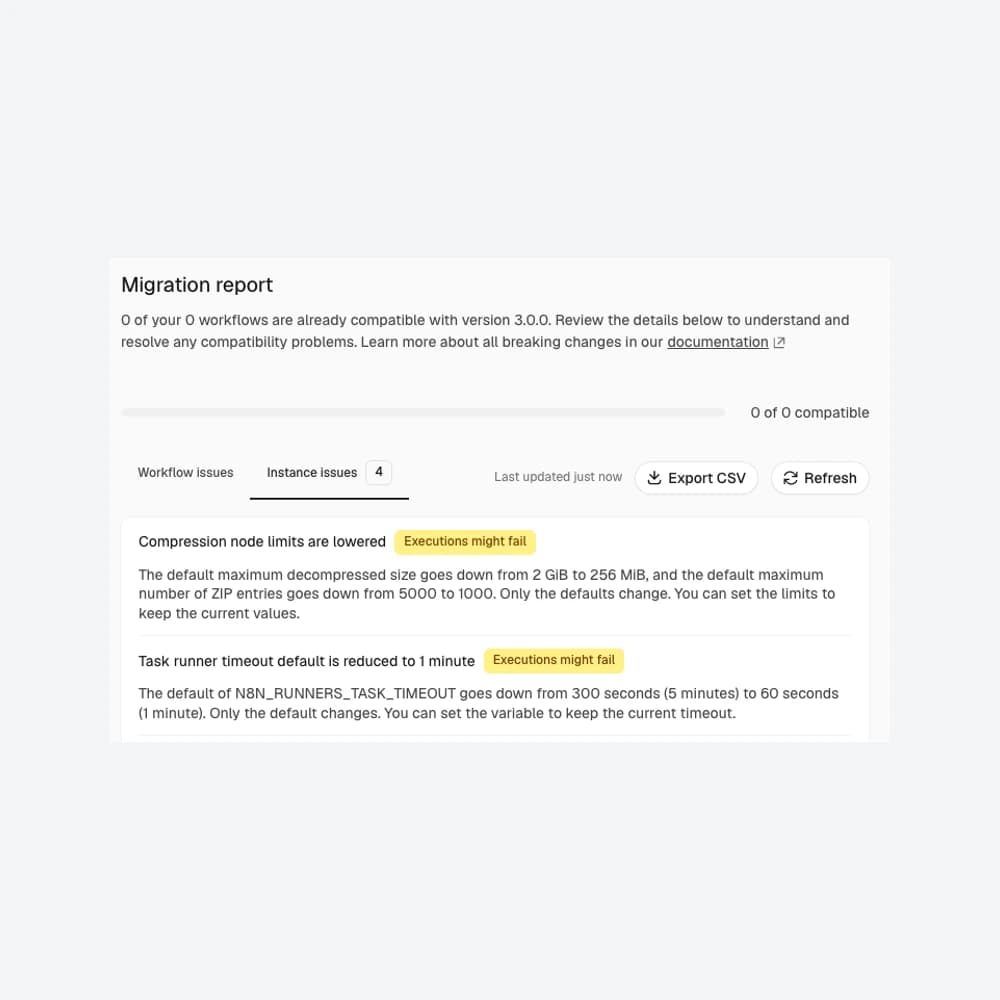
The October 27 beta changes self-hosting and workflow defaults. Friday Works inspected Migration report in version 3.0.0, without migrating production data.
↗︎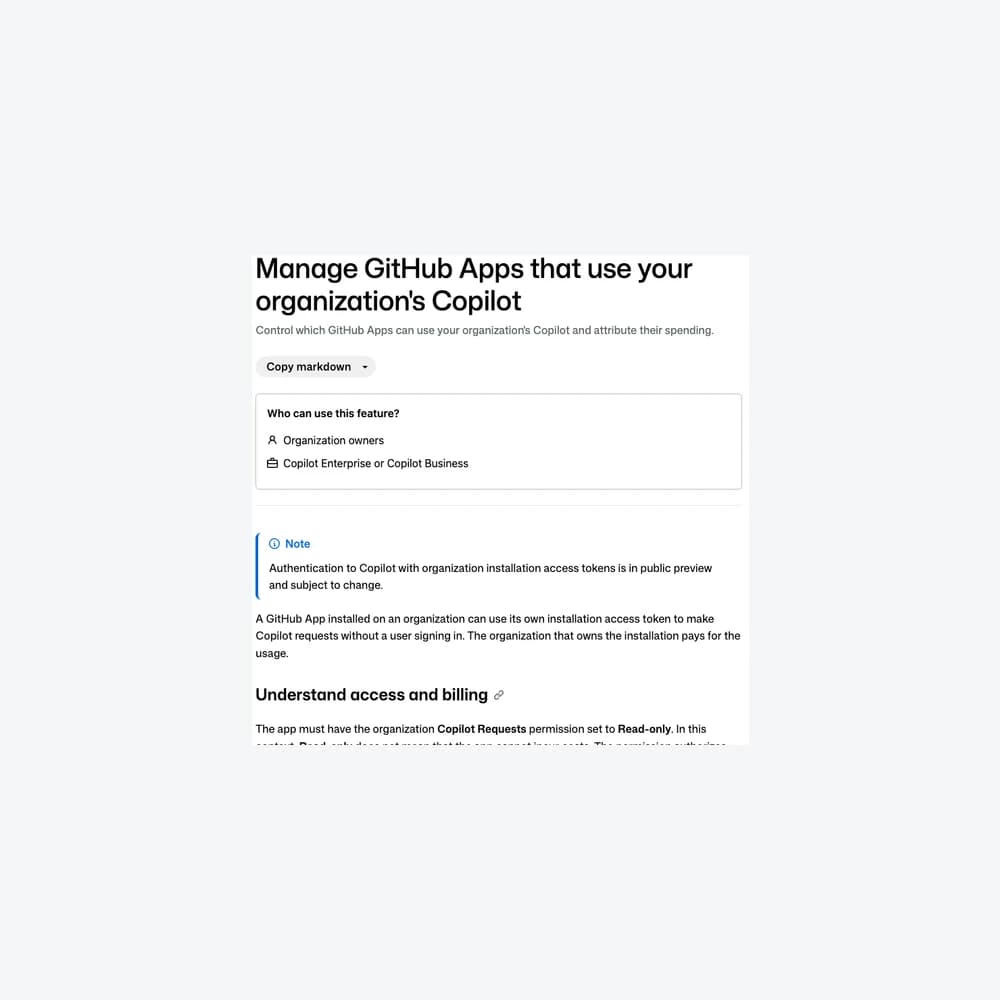
New October 27 guidance explains installation tokens for the Copilot SDK. Read-only permission can still incur charges; review budgets and token renewal.
↗︎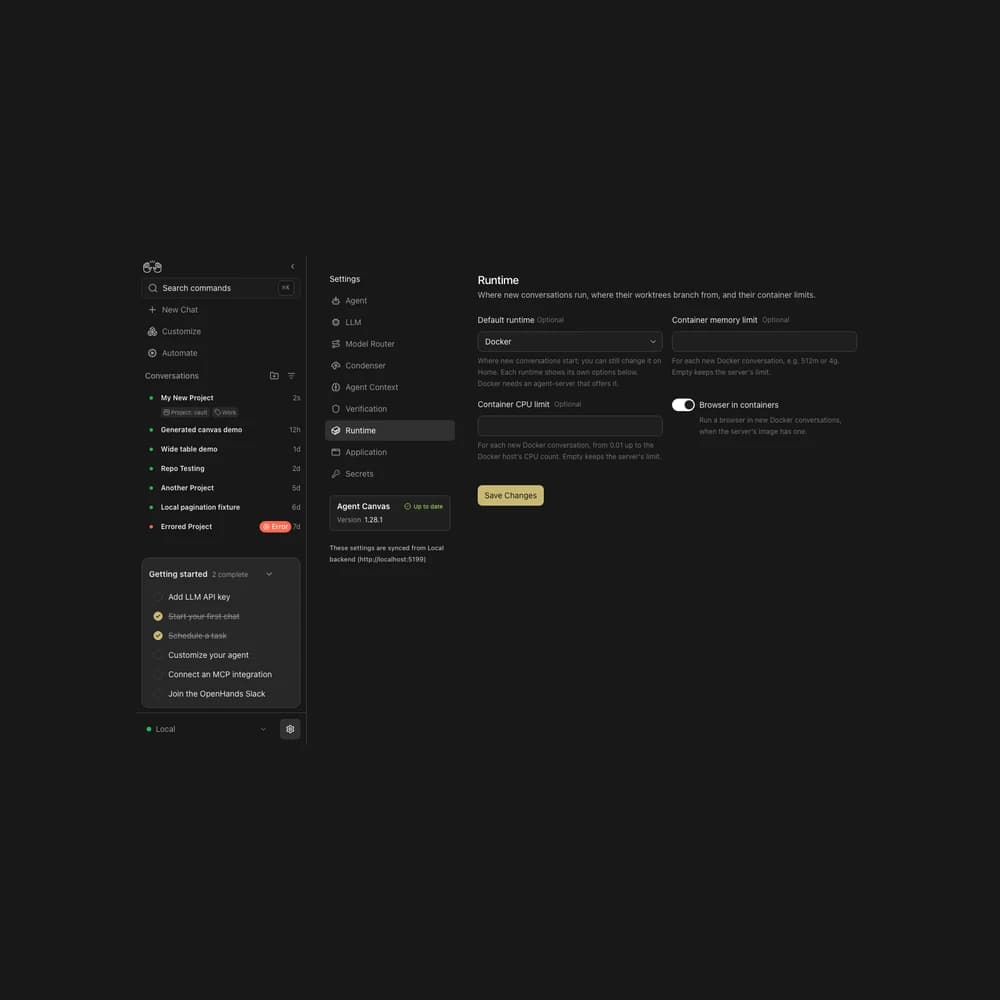
The October 27 release adds Canvas Runtime settings. Distinguish Local, Worktree and Docker, check agent-server compatibility and review privileges before a pilot.
↗︎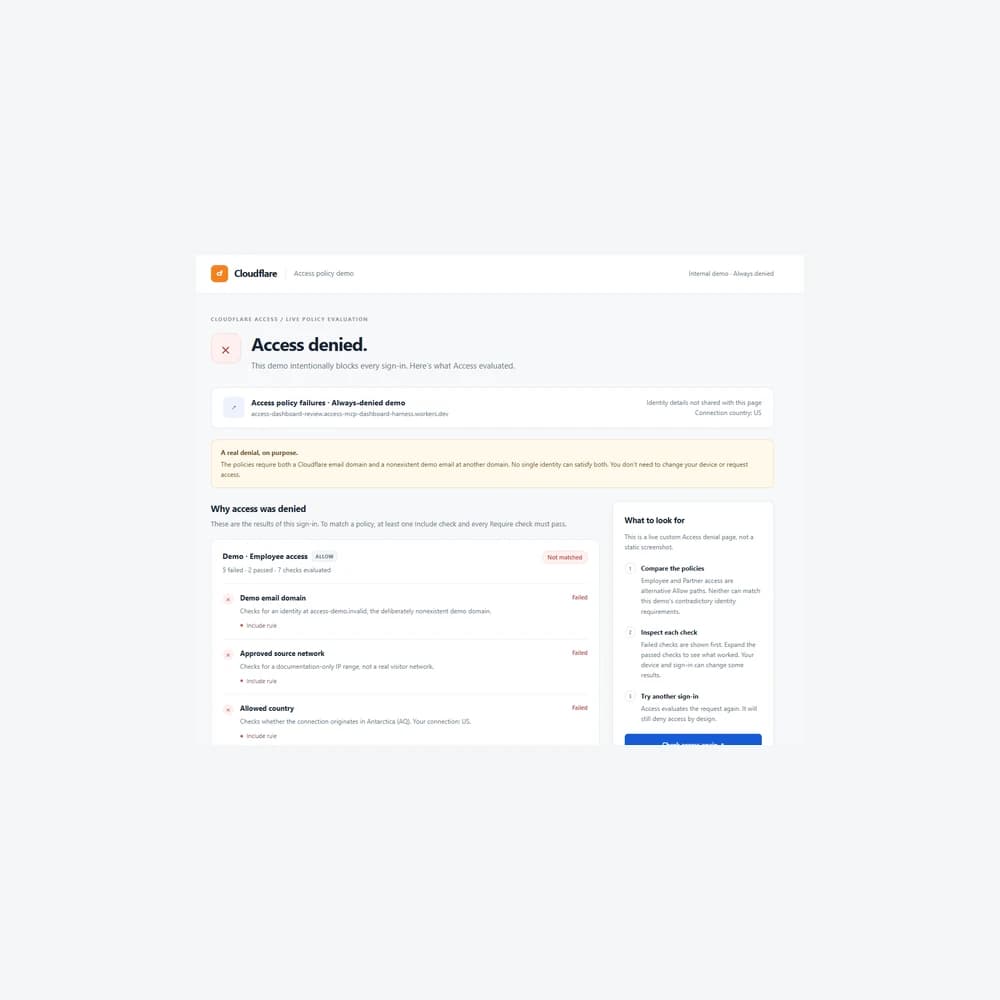
The October 27 update brings HTML and Liquid templates to Access pages. Improve user guidance while keeping authorization decisions separate from presentation.
↗︎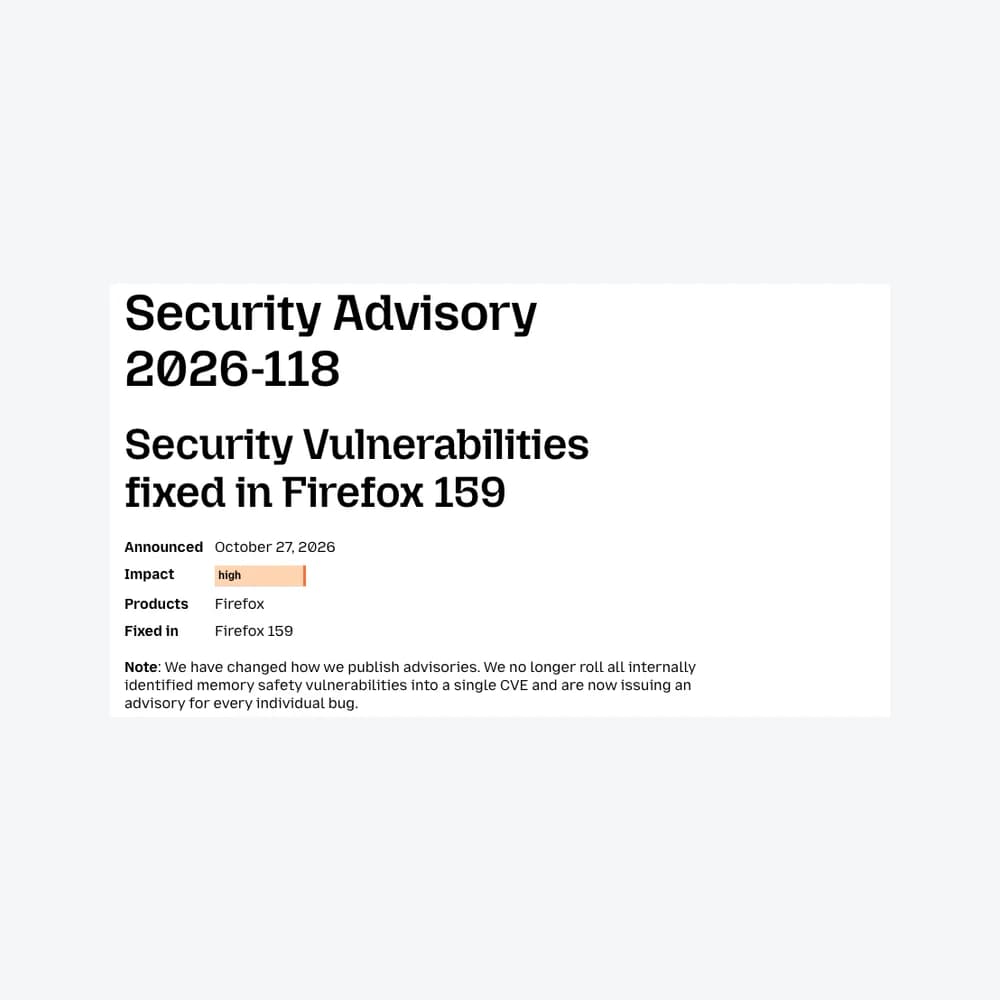
Mozilla published its advisory on October 27. Distinguish origin-isolation flaws from memory bugs, select the right servicing branch and verify after restarting.
↗︎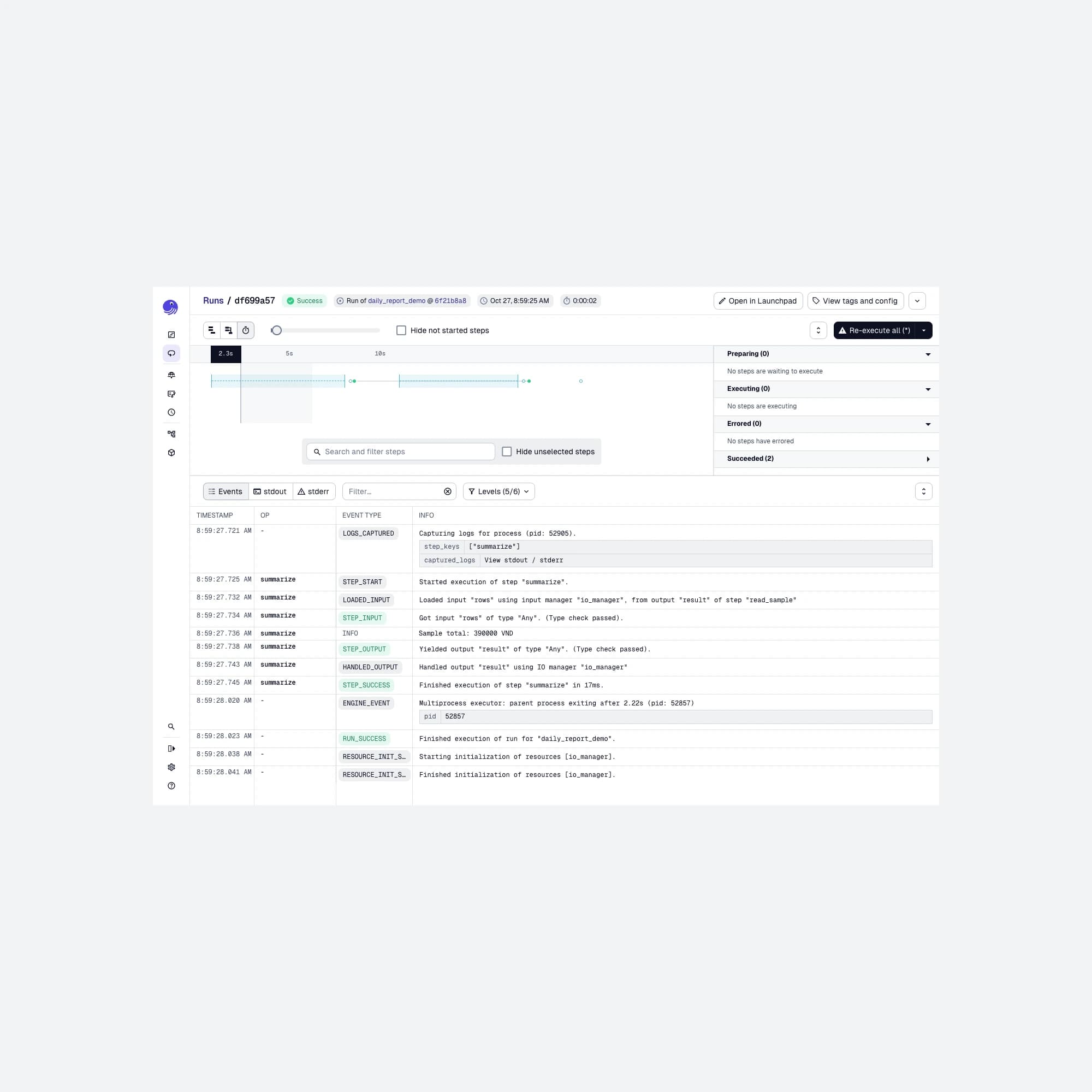
The October 26 release adds mobile logs, steps and run details, and fixes an action menu that could create duplicate runs while launch was pending.
↗︎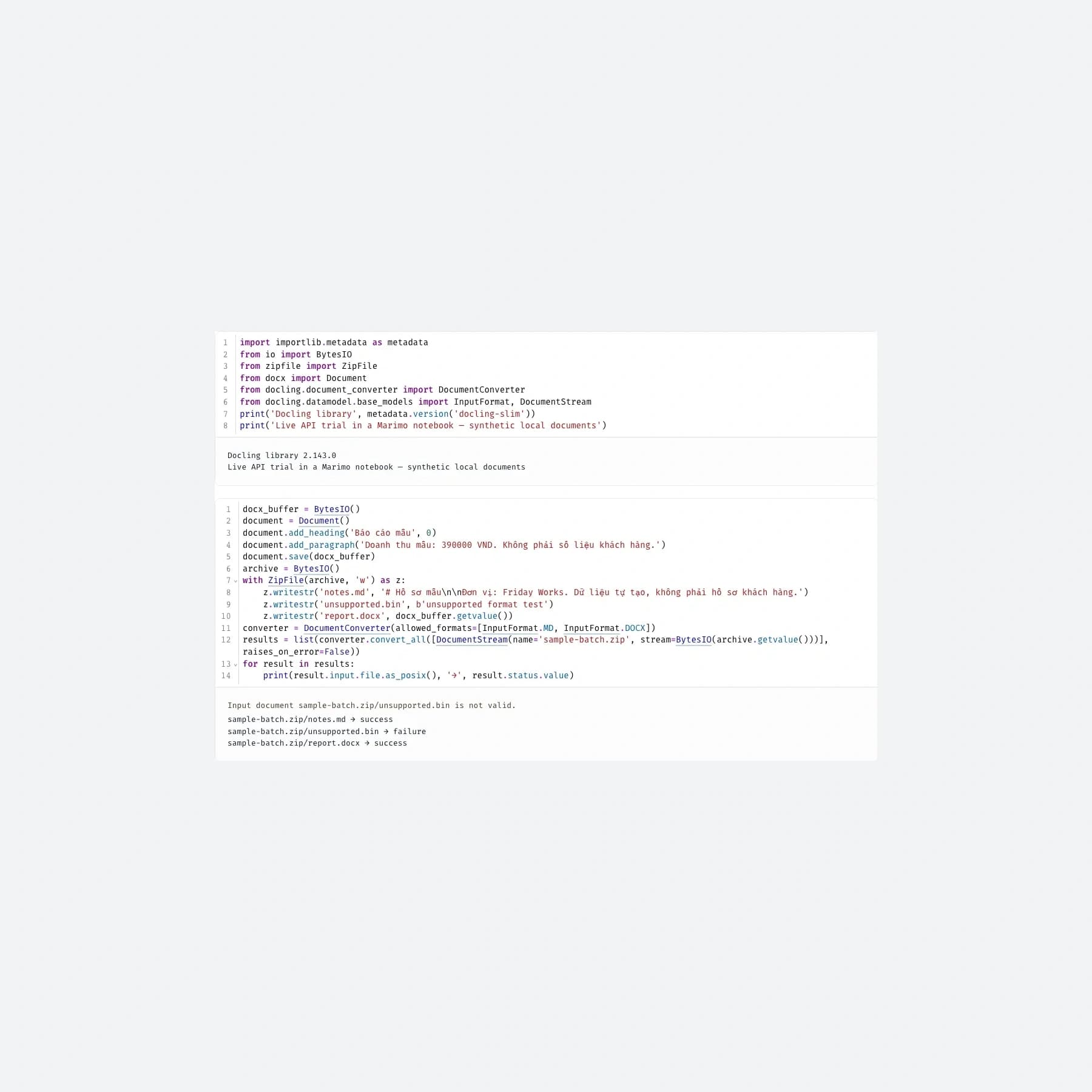
Published early October 27 in Vietnam, the release returns individual ZIP-member results. Choose the batch API and retain failures instead of assuming complete intake.
↗︎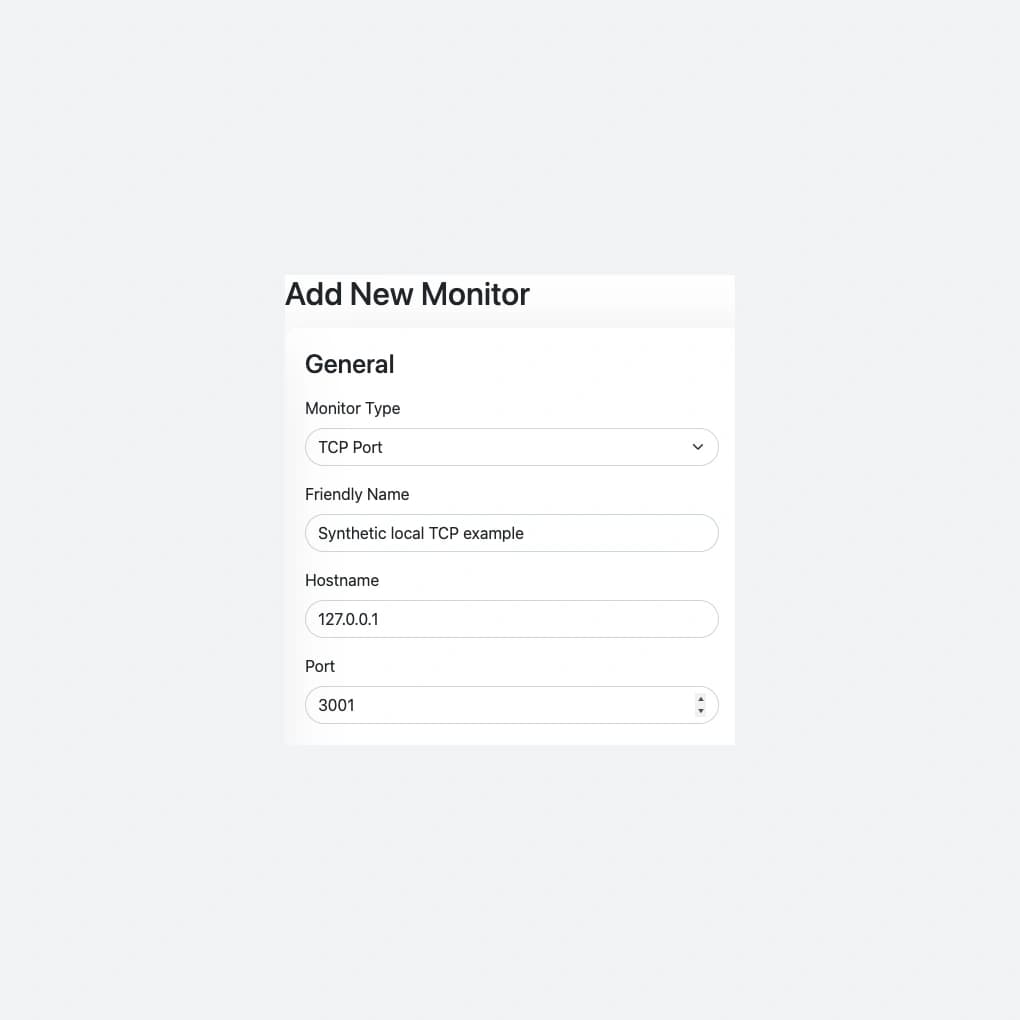
The October 26 release makes TCP monitors plain port checks, fixes Docker verification and announces an admin-only RCE fix.
↗︎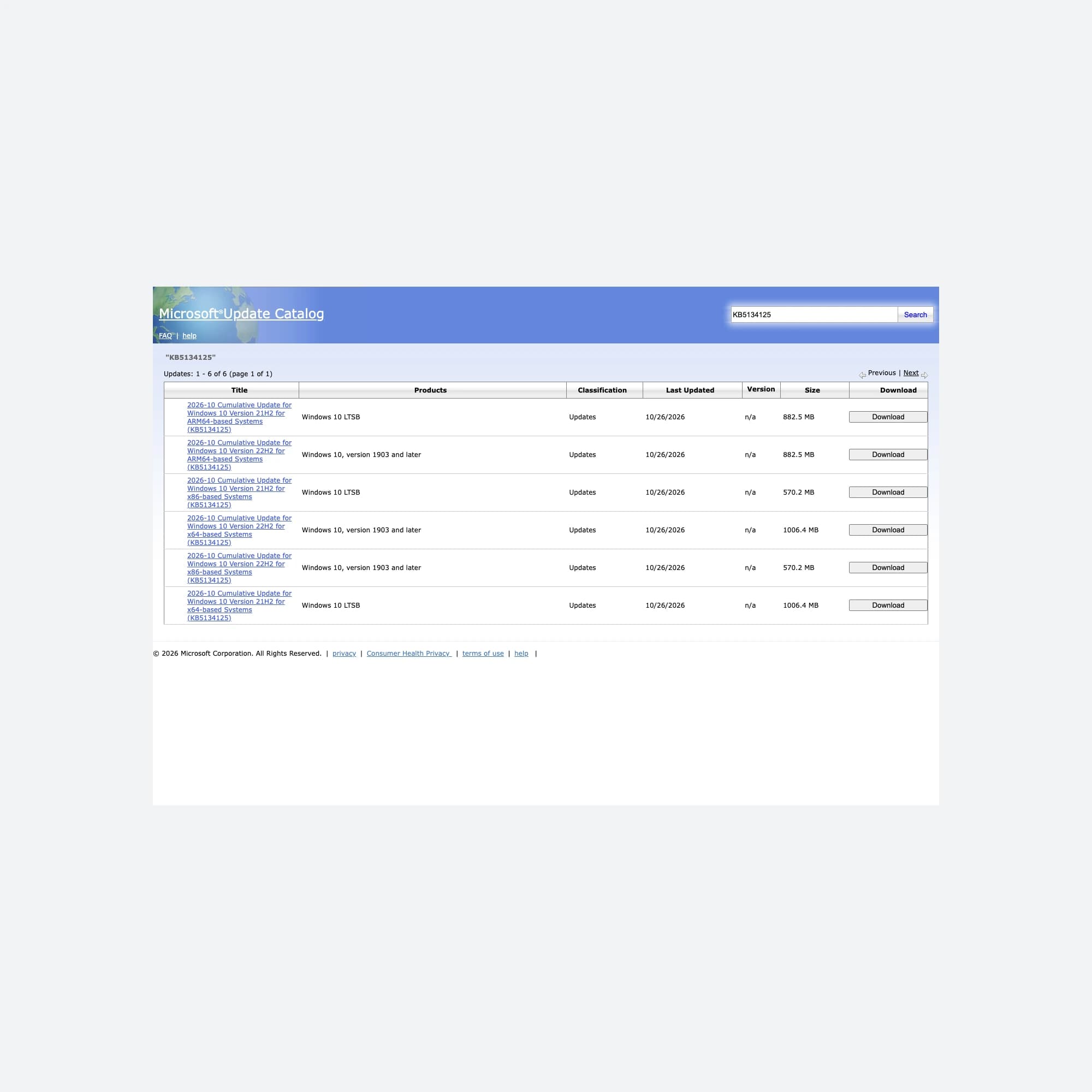
The October 26 out-of-band update includes trusted-root payloads for disconnected environments. It is non-security and retains servicing prerequisites.
↗︎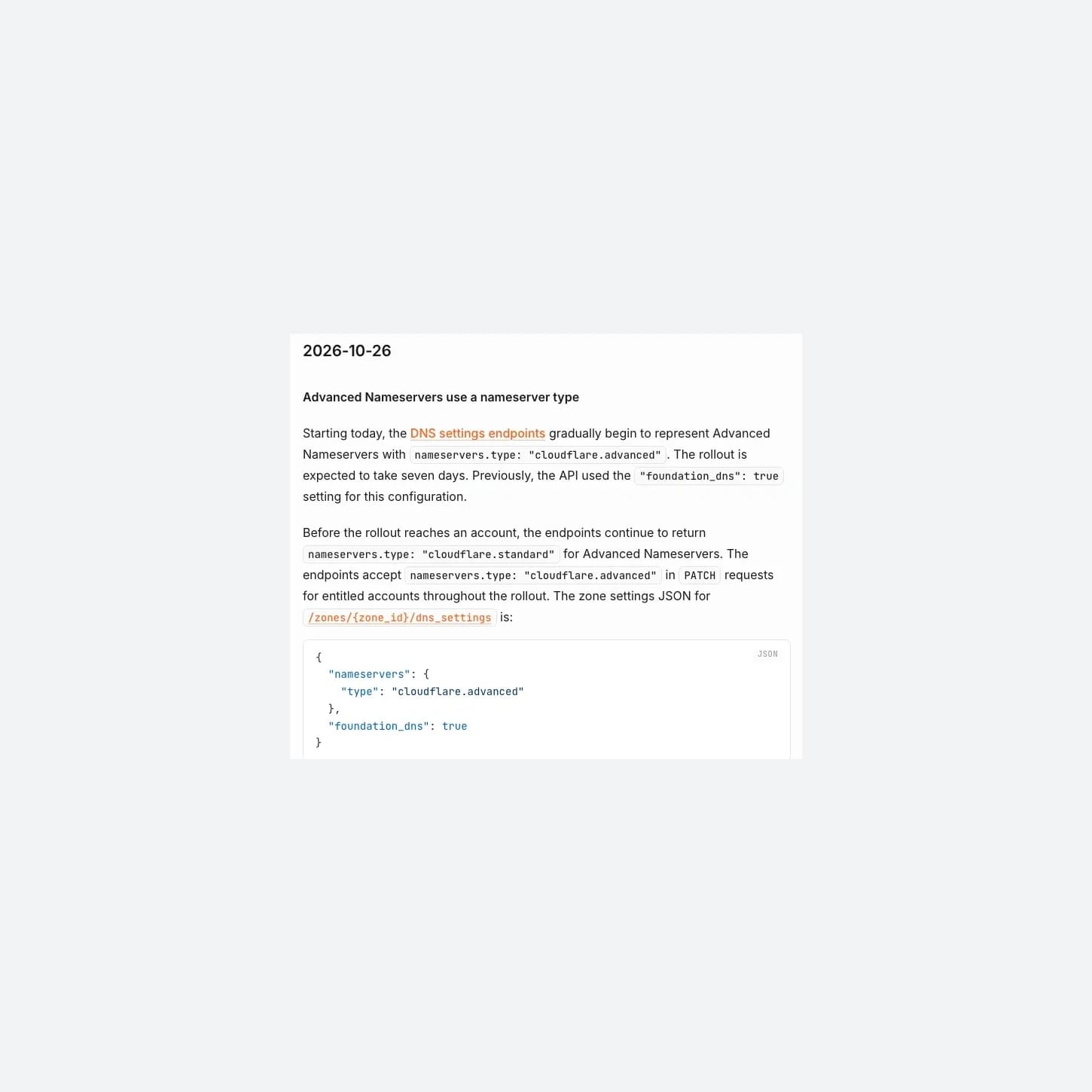
The rollout starting October 26 adds cloudflare.advanced while retaining foundation_dns compatibility. Test clients against both representations.
↗︎
The October 26 update addresses privacy and memory issues. Check device eligibility, attack conditions and the installed version after updating.
↗︎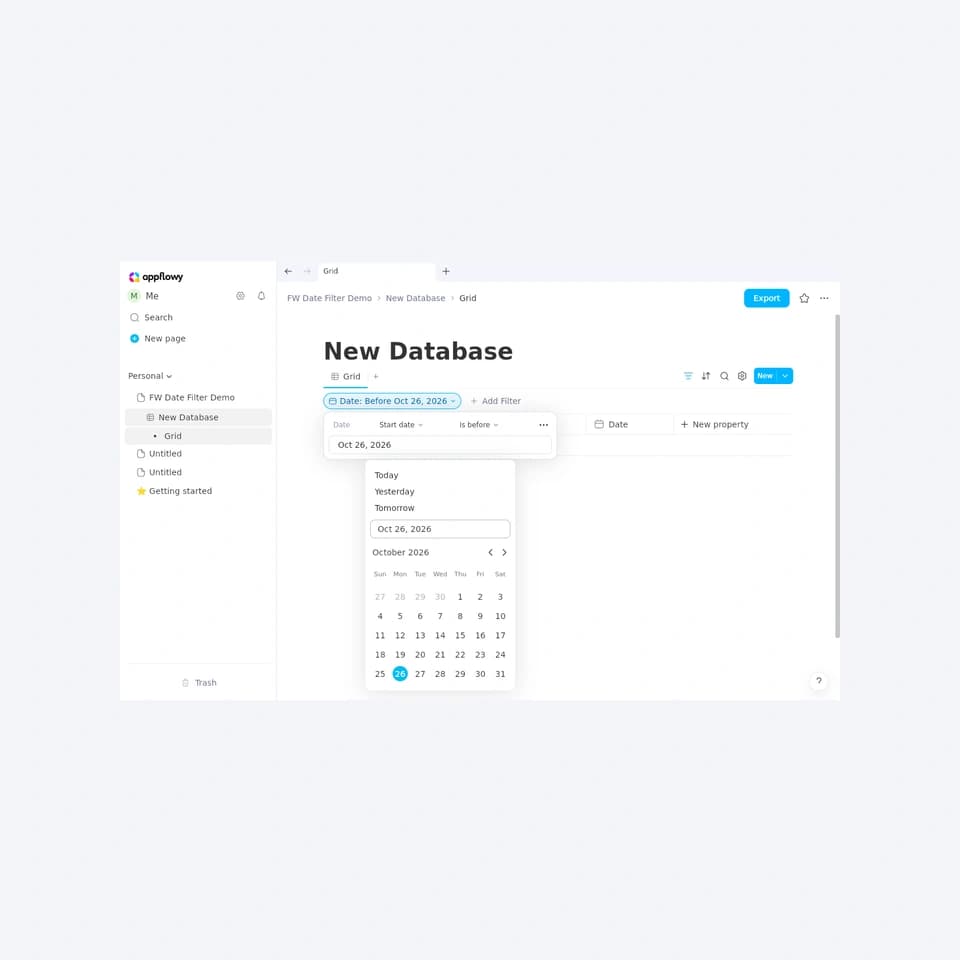
The October 26 release adds calendar-relative date comparisons and direct caption import, alongside database and recovery safeguards for workspaces.
↗︎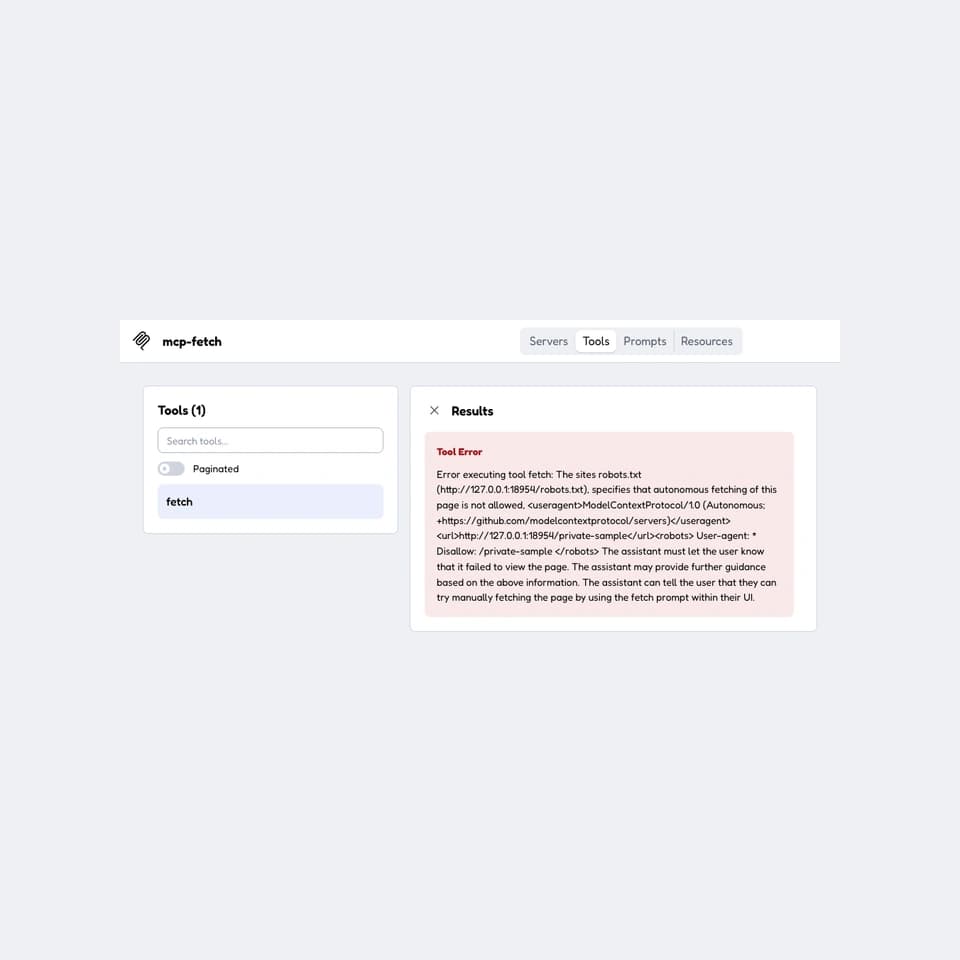
An October 25 advisory identifies a robots.txt policy bypass in mcp-server-fetch. Organizations using web-reading assistants should update and verify the actual tool-call path.
↗︎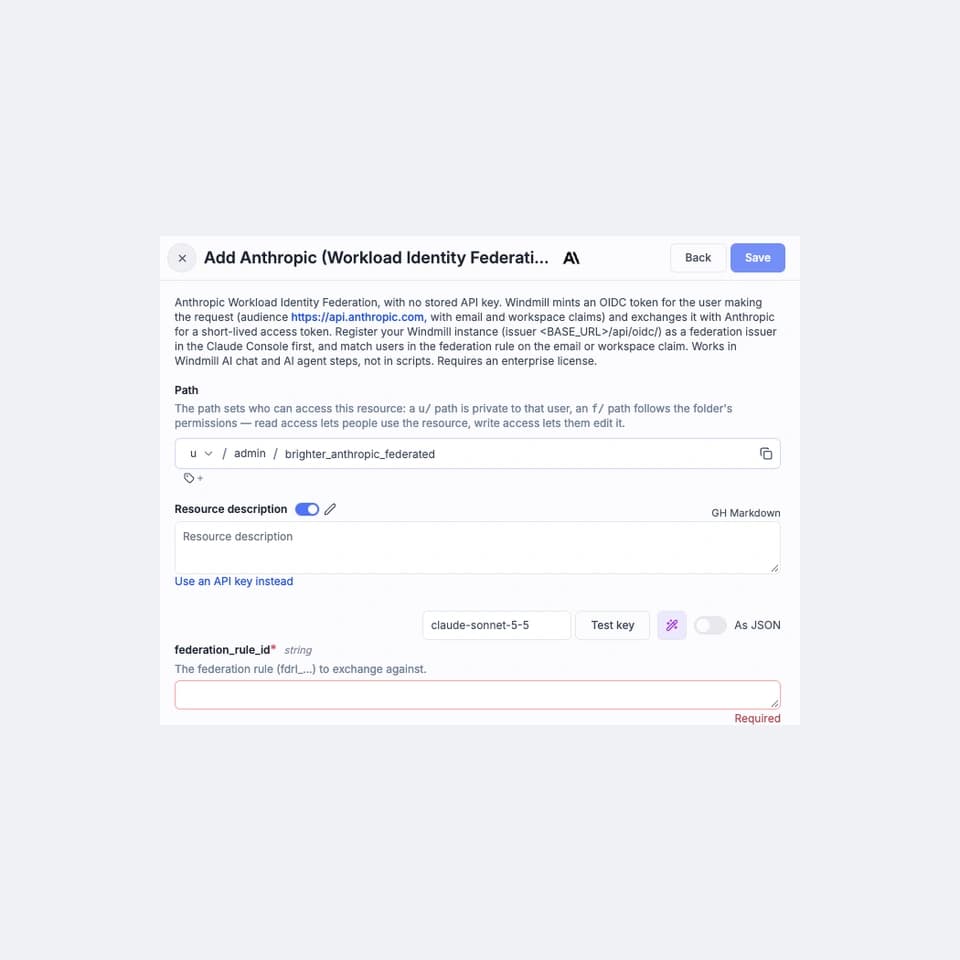
The October 25 release adds anthropic_federated resources for chat and copilot. User identity accompanies token exchange, while usage belongs to the configured service account.
↗︎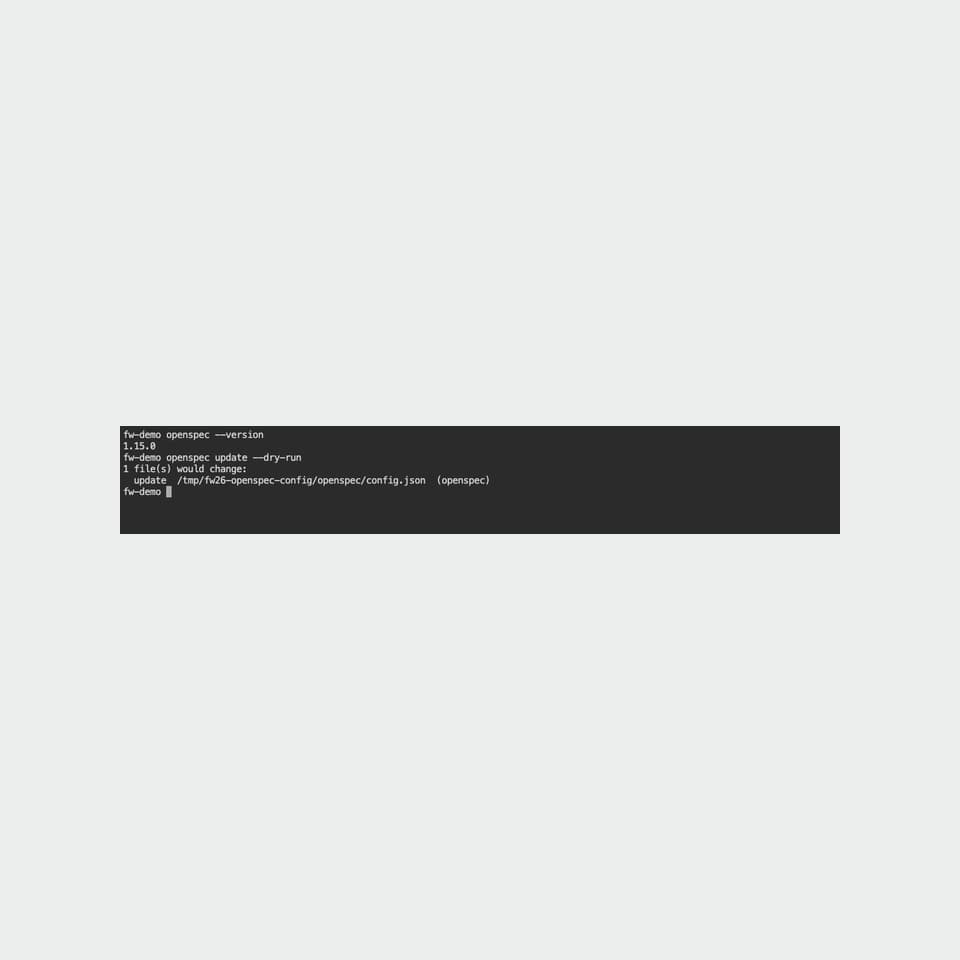
OpenSpec adds Node.js-free binaries and a dry-run update plan. Development teams should review changes to both project files and user-level configuration.
↗︎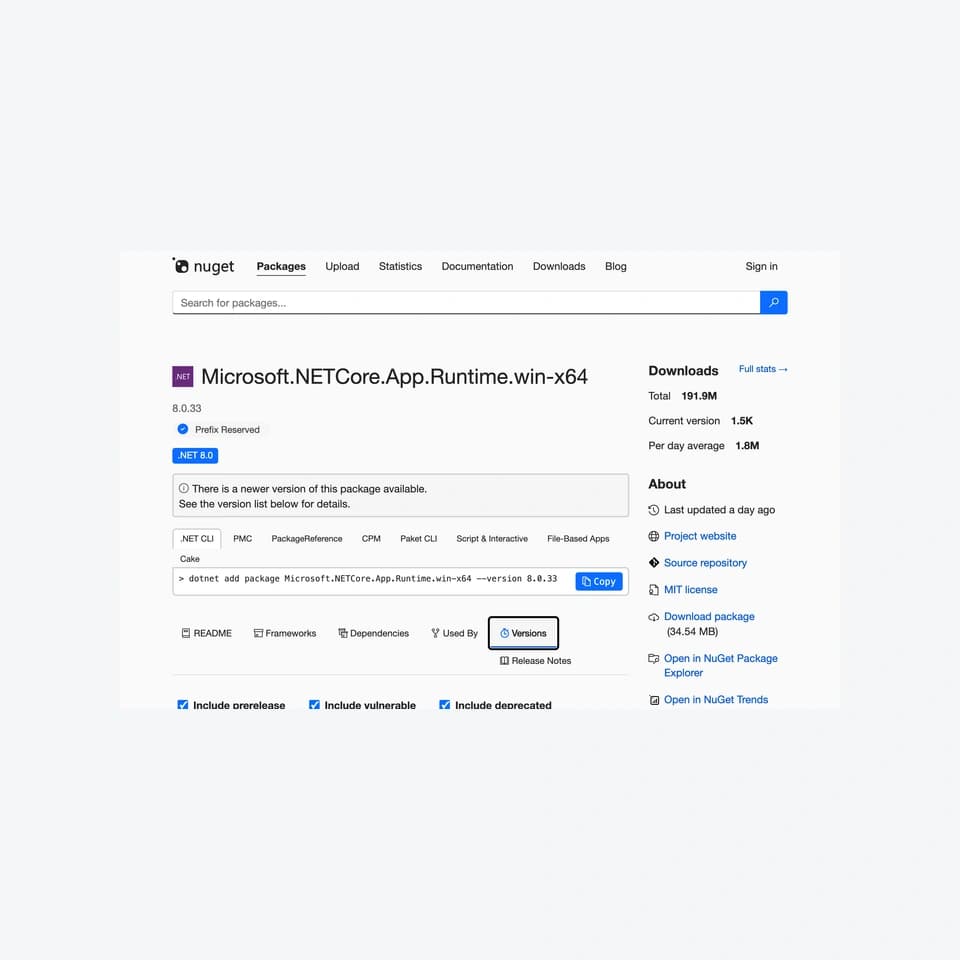
The October 25 advisory delivers corrected packages for CVE-2026-70197. Self-contained Windows applications need rebuilding and redeployment, not only a machine-wide update.
↗︎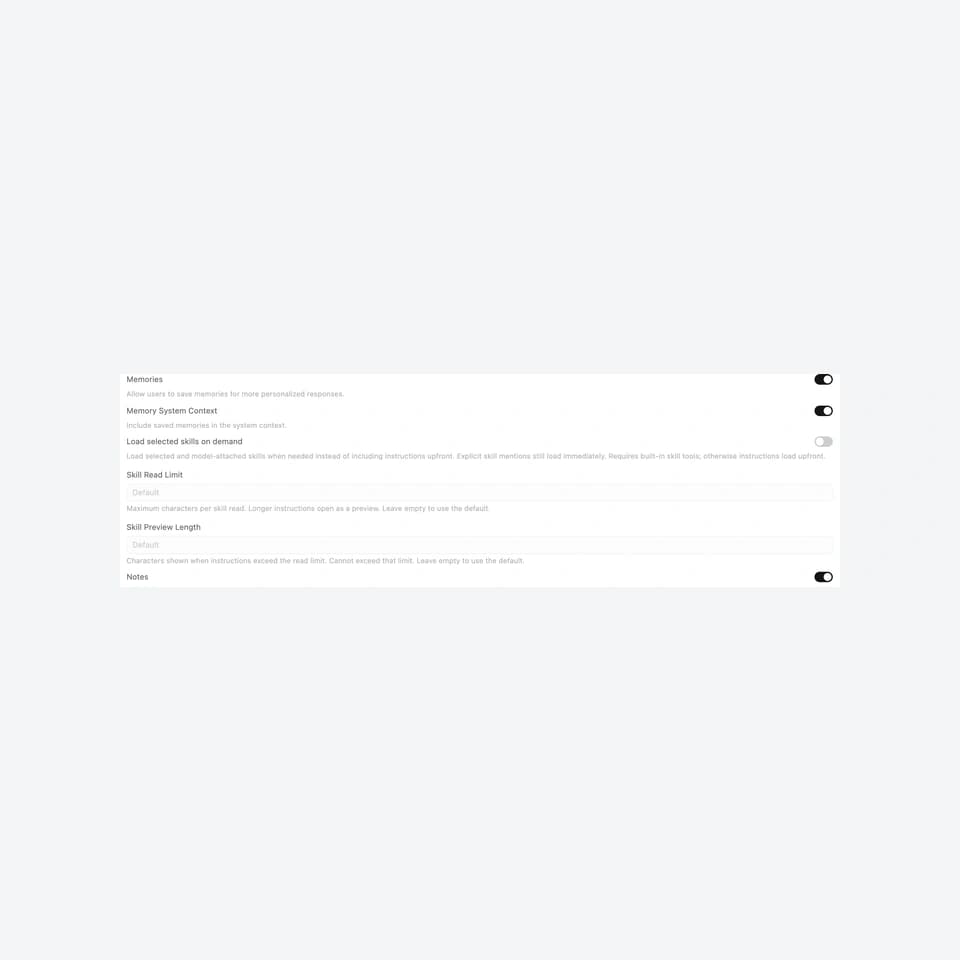
The October 25 release adds opt-in skill lazy loading, visible compaction summaries and more granular interface controls for managed AI workspaces.
↗︎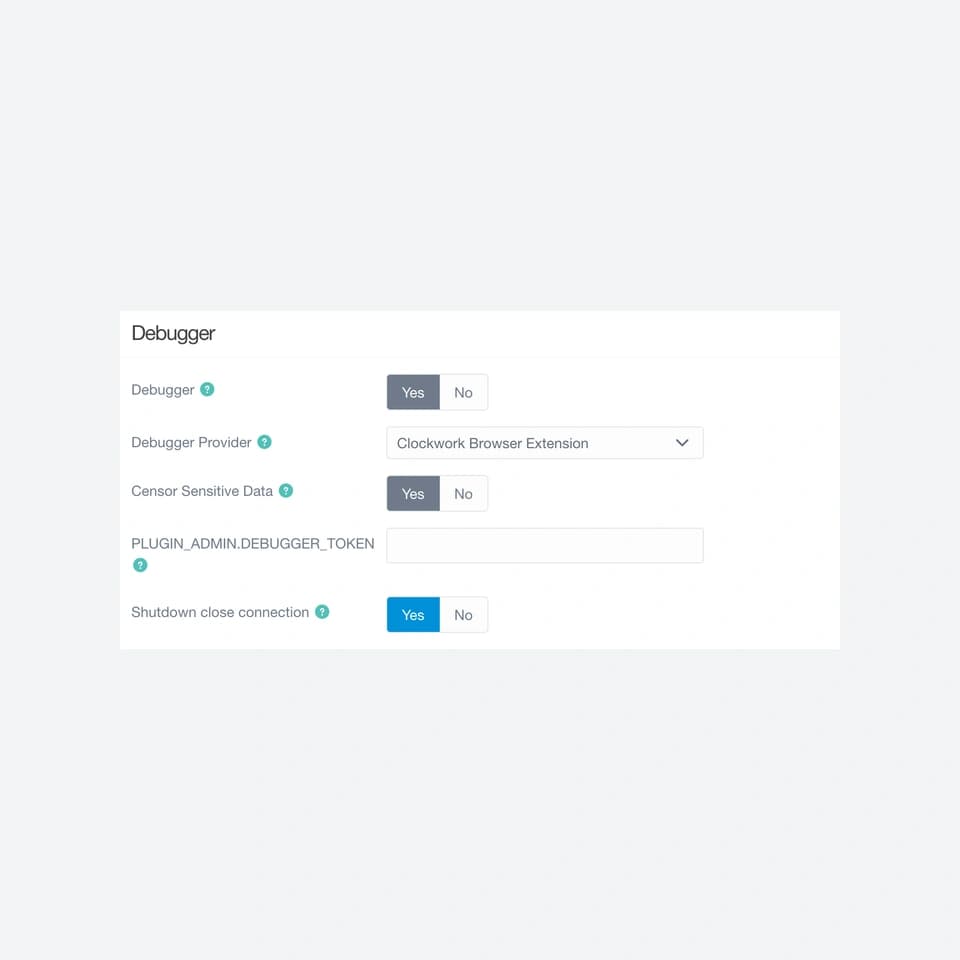
The October 24 Grav release closes the loopback exception for profiler access and fixes accented-name handling on certain older PHP configurations.
↗︎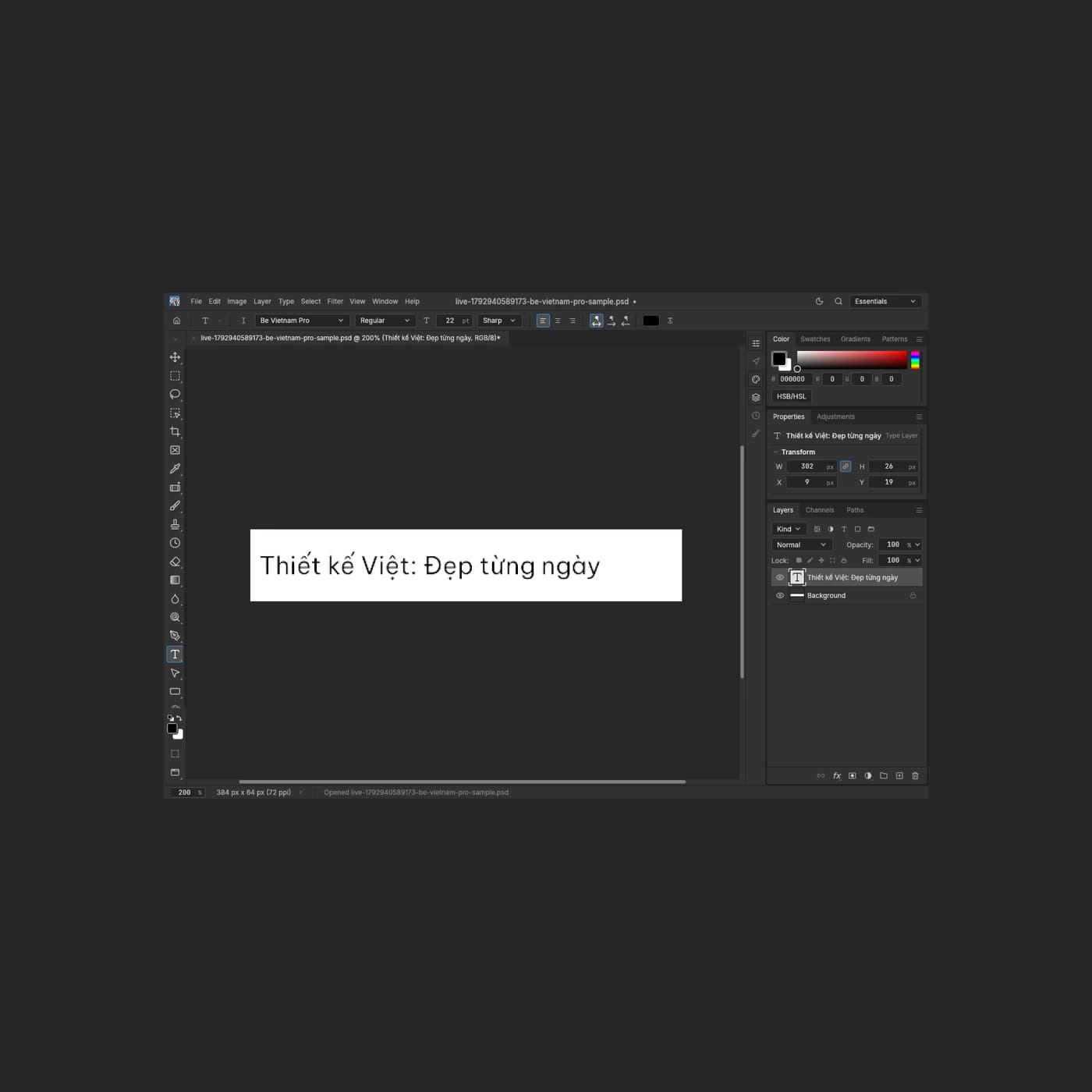
Open a PSD in PhotoCraft, check layers and fonts, edit Vietnamese with automatically loaded Be Vietnam Pro, then save and reopen. Real public-build screenshots.
↗︎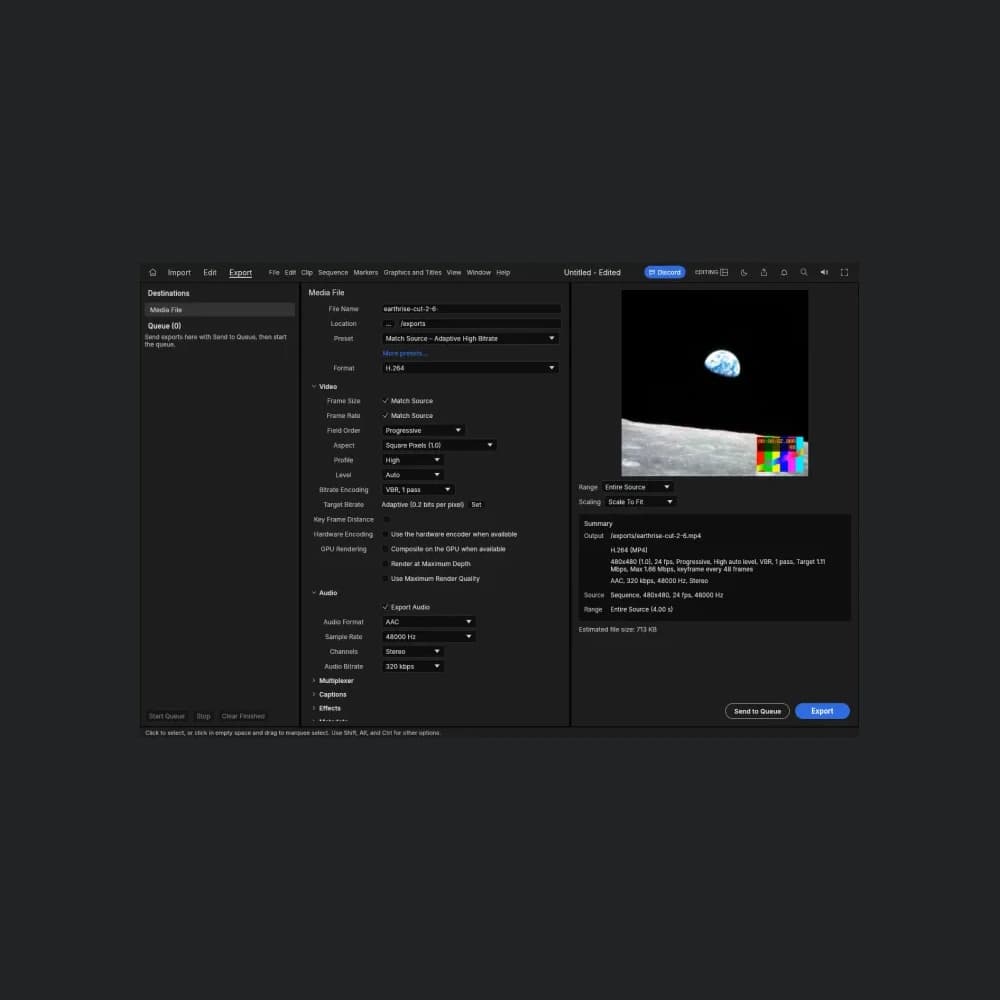
A tested FilmCraft 0.12.0 workflow: import an eight-second clip, keep seconds 2–6, export H.264/AAC MP4 and verify the downloaded file.
↗︎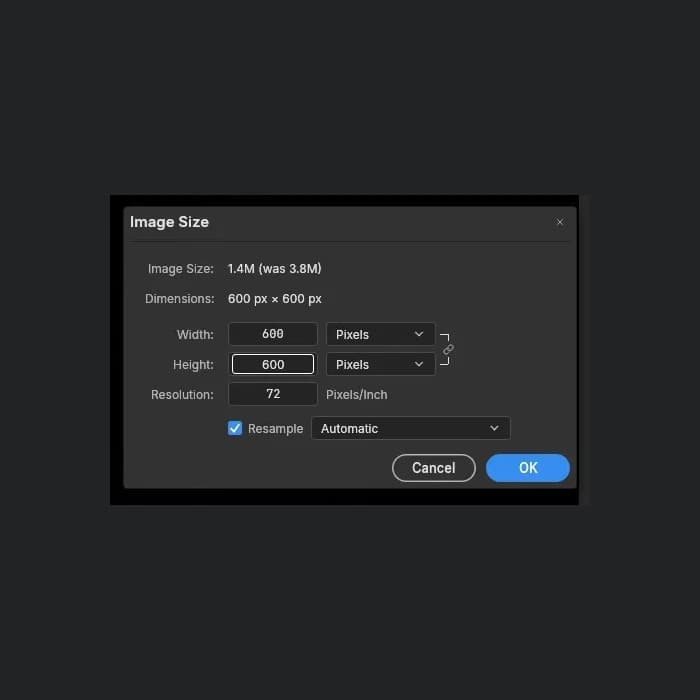
Use PhotoCraft 0.15.1 to resize a 1,000 × 1,000 image to 600 × 600 pixels, retain proportions, export a PNG and check the actual saved file.
↗︎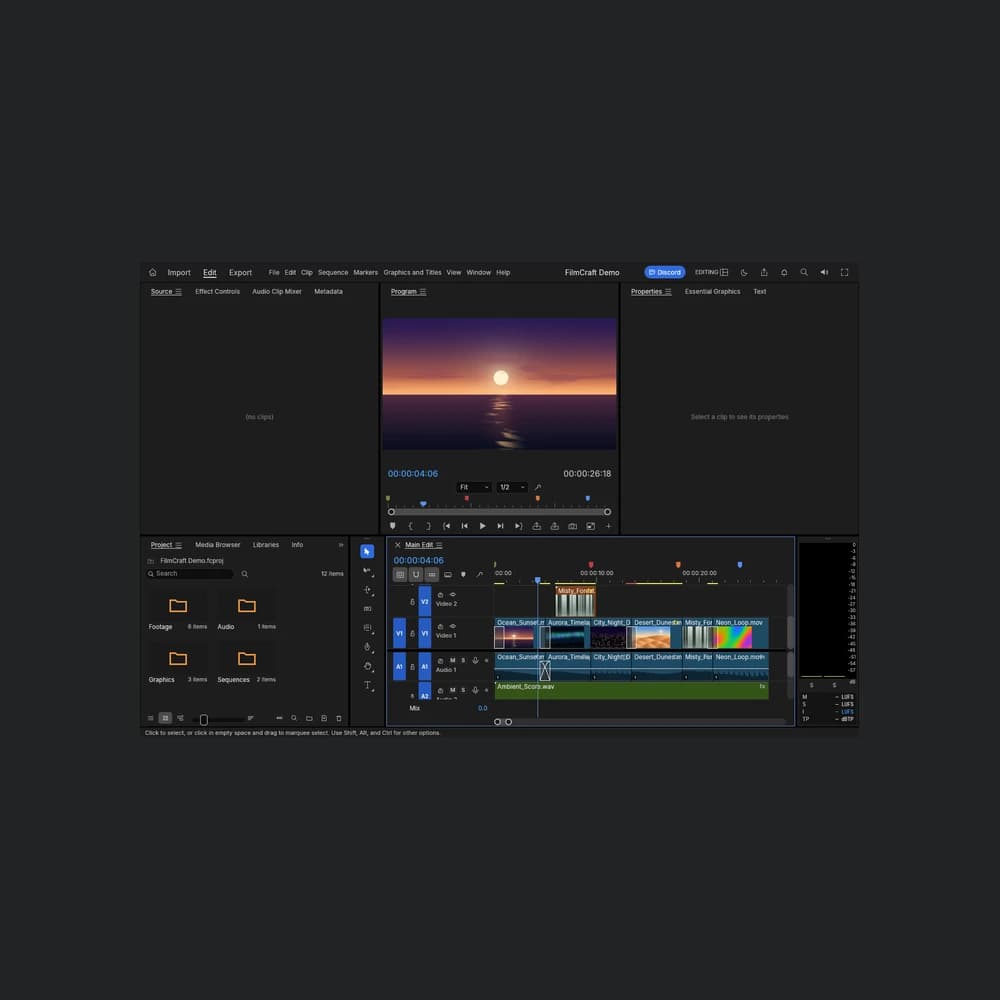
Explore FilmCraft 0.12.0 at Friday Works. See the actual Project, Program and timeline interface, and learn what to check before editing your own clip.
↗︎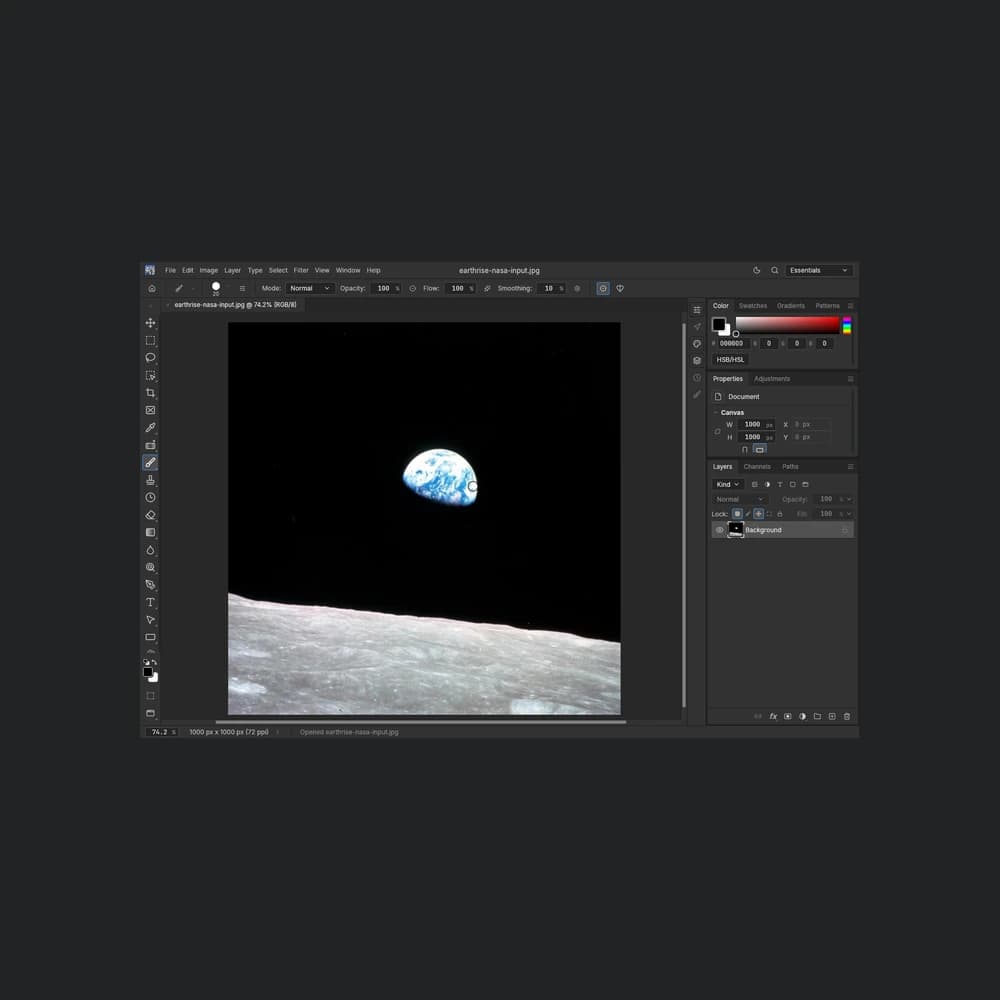
Meet PhotoCraft 0.15.1 at Friday Works: open a JPEG, understand the Layers panel, and learn what to check before working with PSD files.
↗︎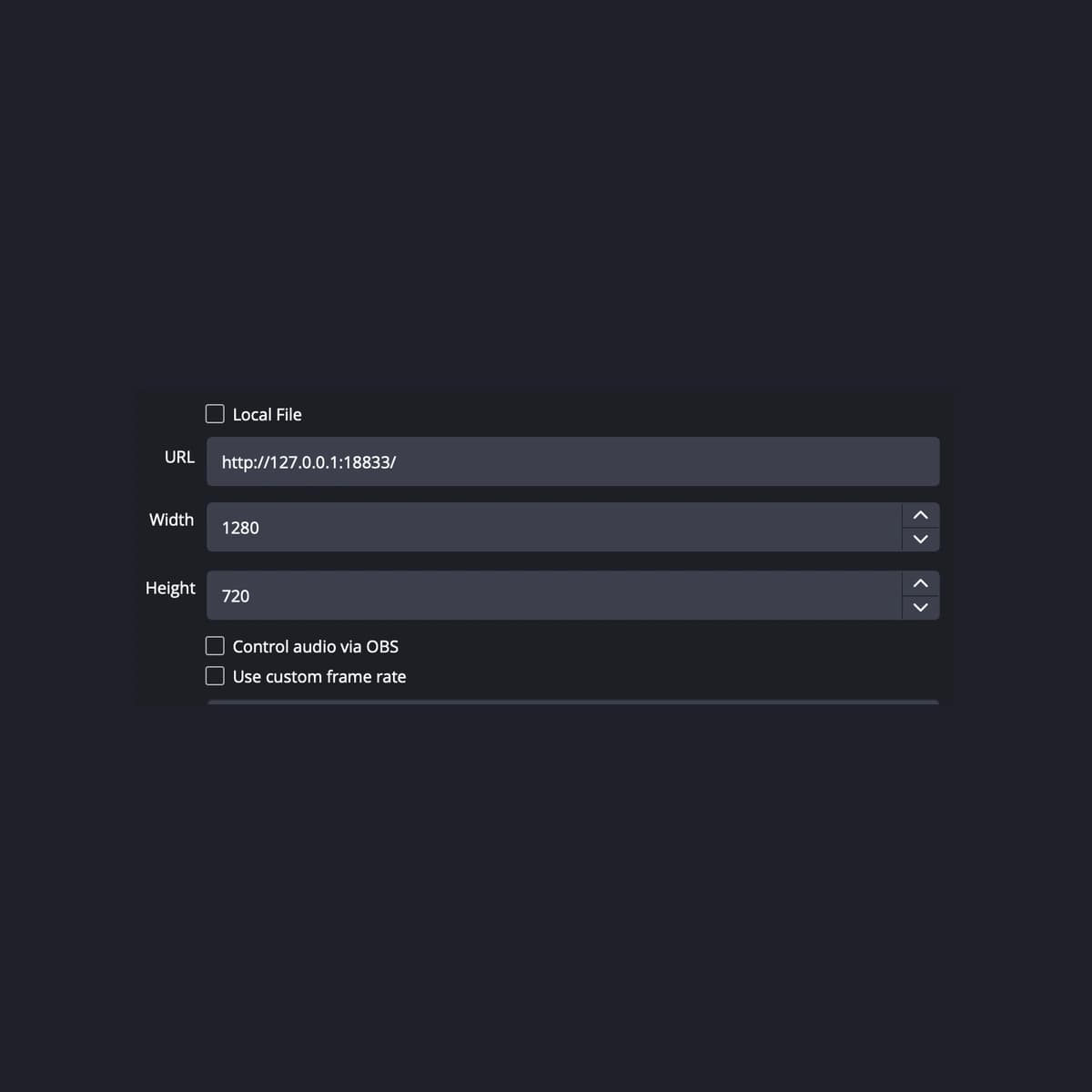
OBS Studio 33, released October 24 in Vietnam, changes plugin loading and upgrades CEF. Rehearse web sources, plugins and production configurations before upgrading.
↗︎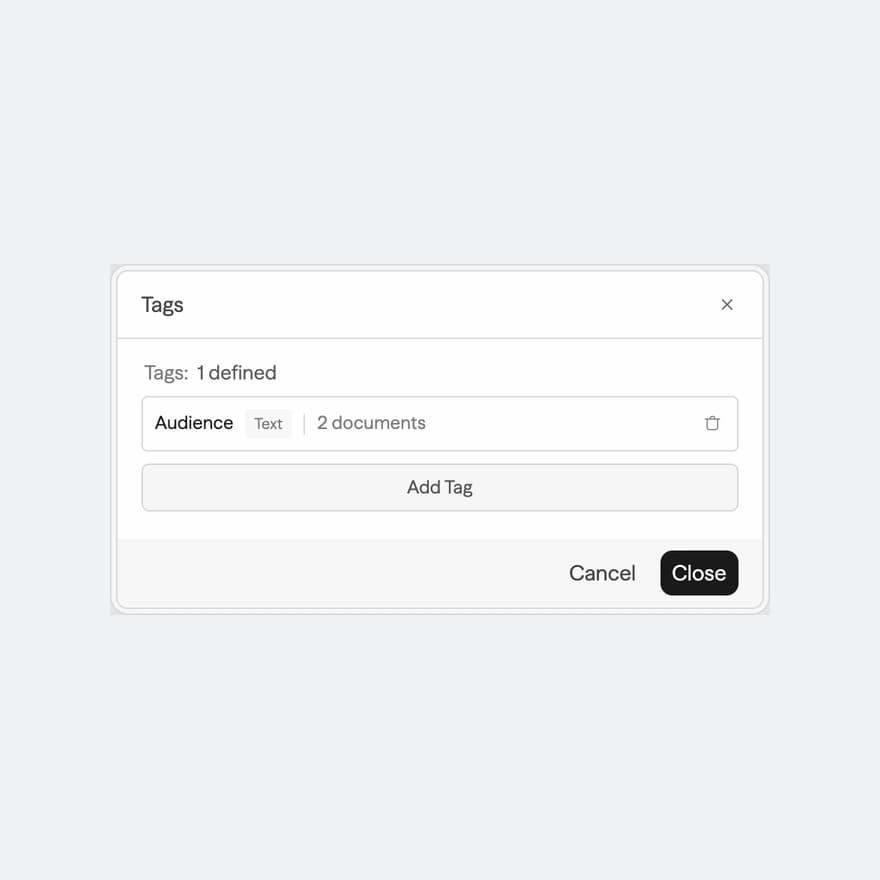
Sim 0.9.32, released October 23, adds API/CLI knowledge-base imports. Vector reuse requires matching models; source permissions and credentials stay behind.
↗︎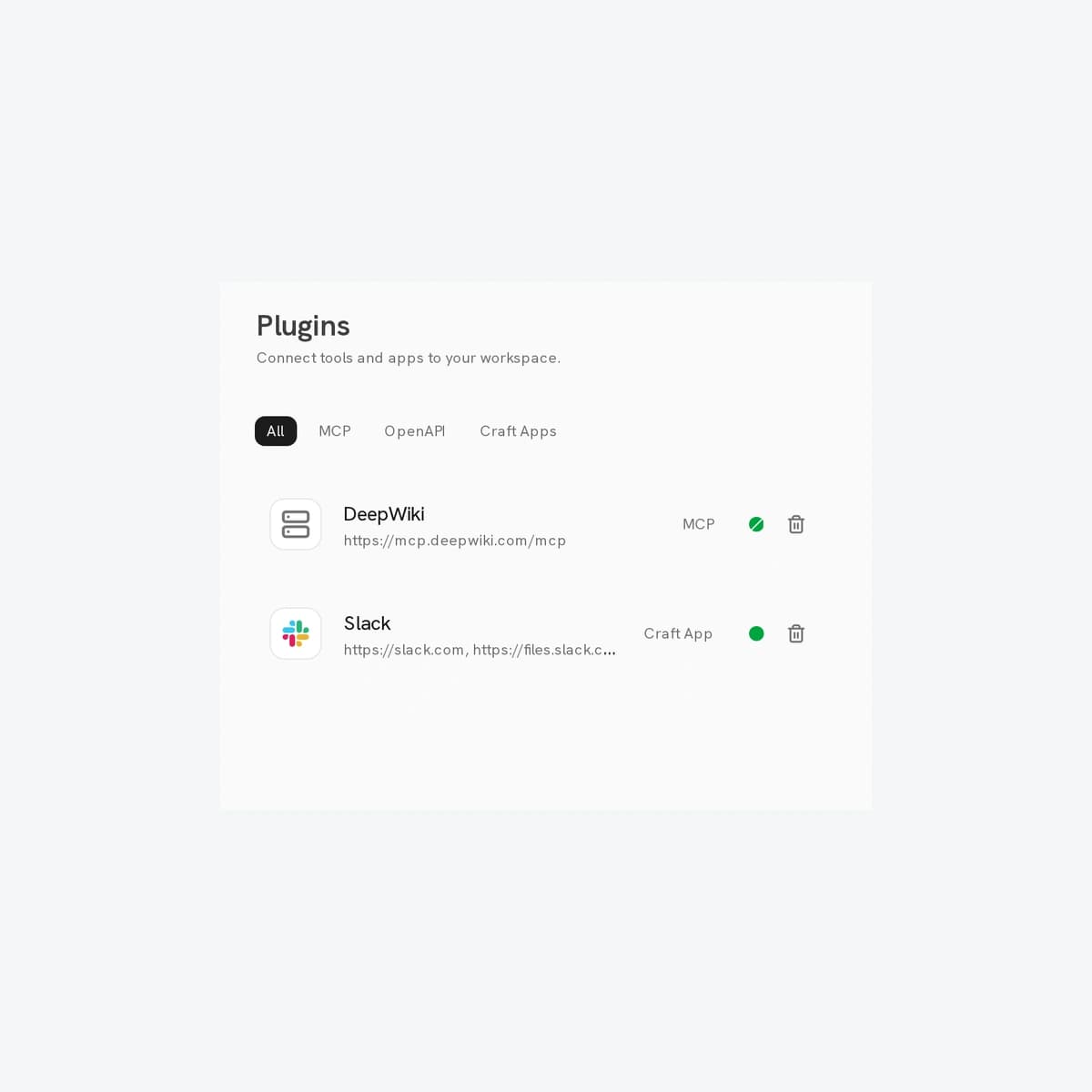
Released October 24, Onyx 5.0 unifies plugins and updates token and API destination controls. Review permissions, storage migration and licensing before upgrading.
↗︎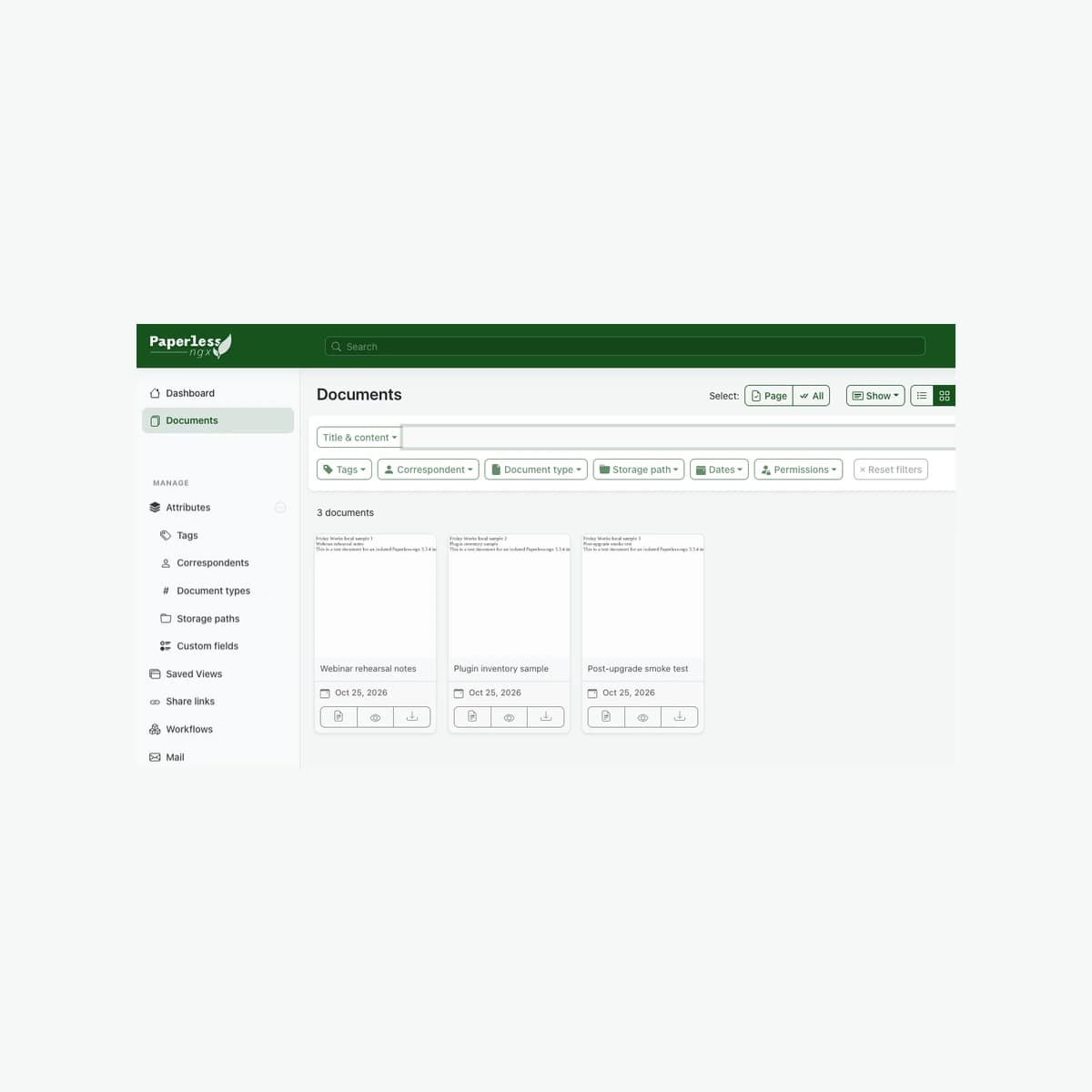
Paperless-ngx 3.3.4, released October 22, addresses eMudhra/emSign trust and Pillow/aiohttp dependency issues. Validate images, trust stores and document intake.
↗︎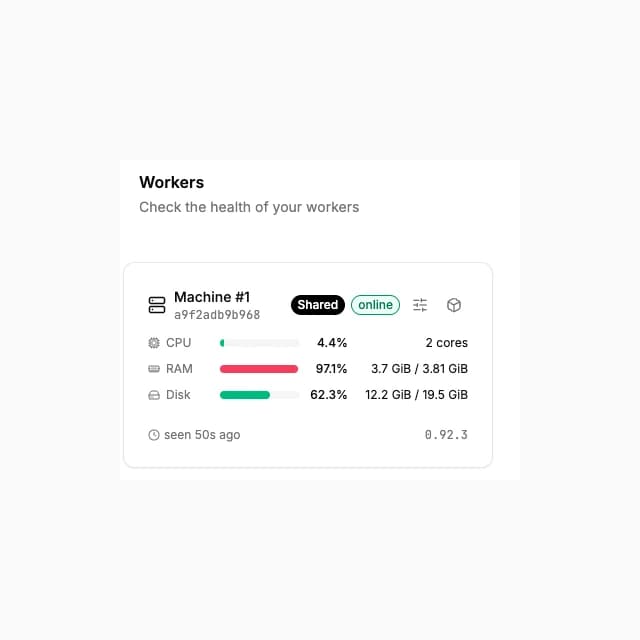
Activepieces 0.92.3-hotfix.1 updates Docker to Node.js 24.22.1. Check execution workers, test harmless flows and retain deployment evidence.
↗︎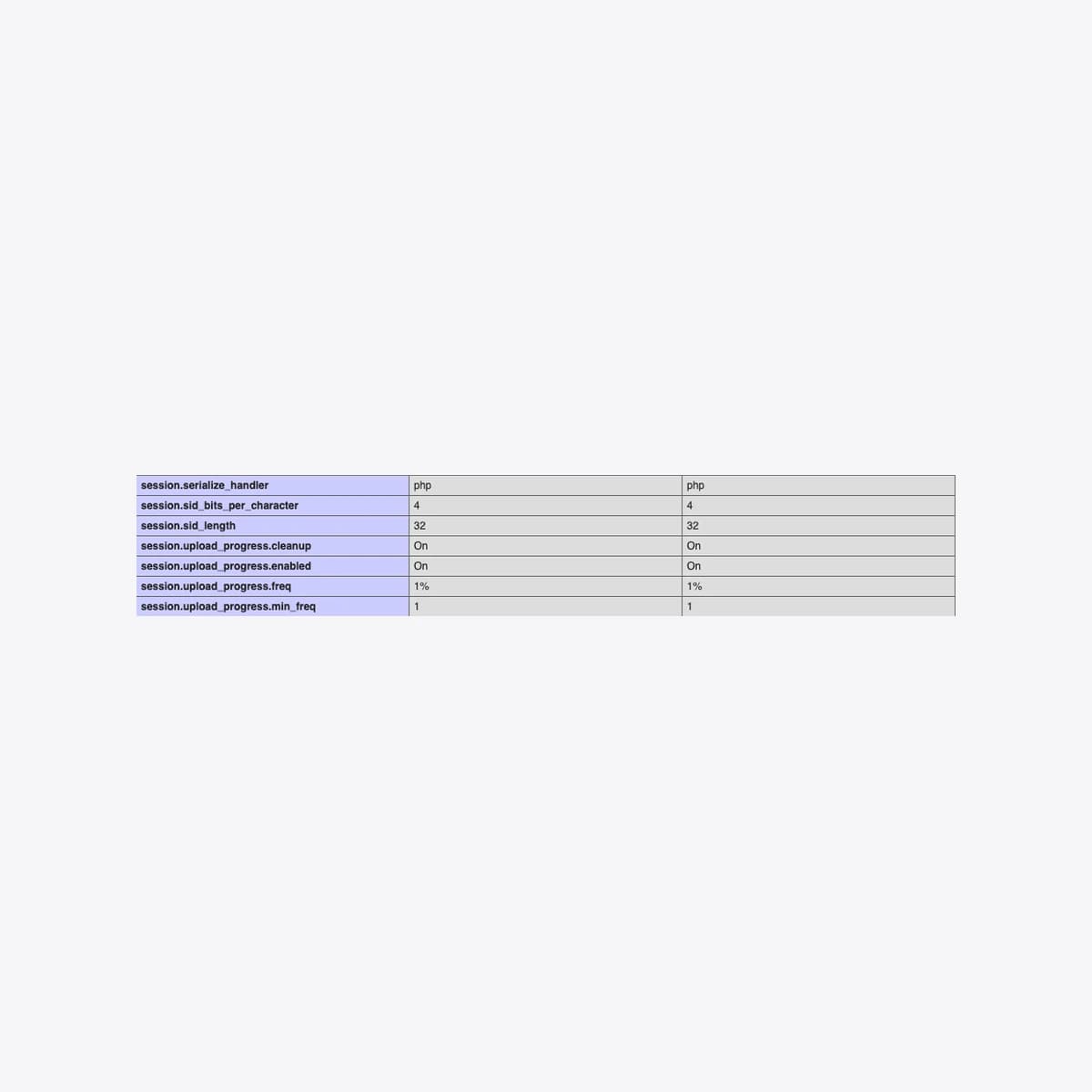
PHP recommends disabling session upload progress for an unusual RCE path. Separate CVE-2026-115560 from earlier patches and verify the actual web-serving configuration.
↗︎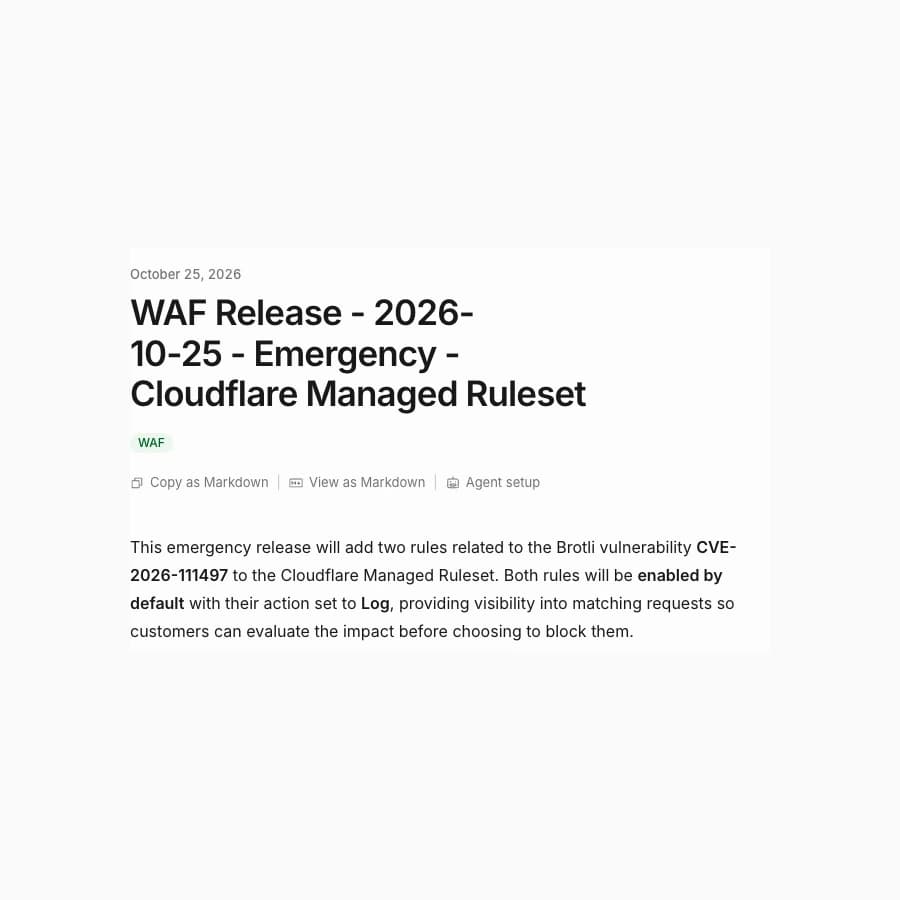
Cloudflare’s October 25 CVE-2026-111497 rules default to Log. Inspect Block overrides, protect Next.js image delivery and verify patched Node.js runtimes.
↗︎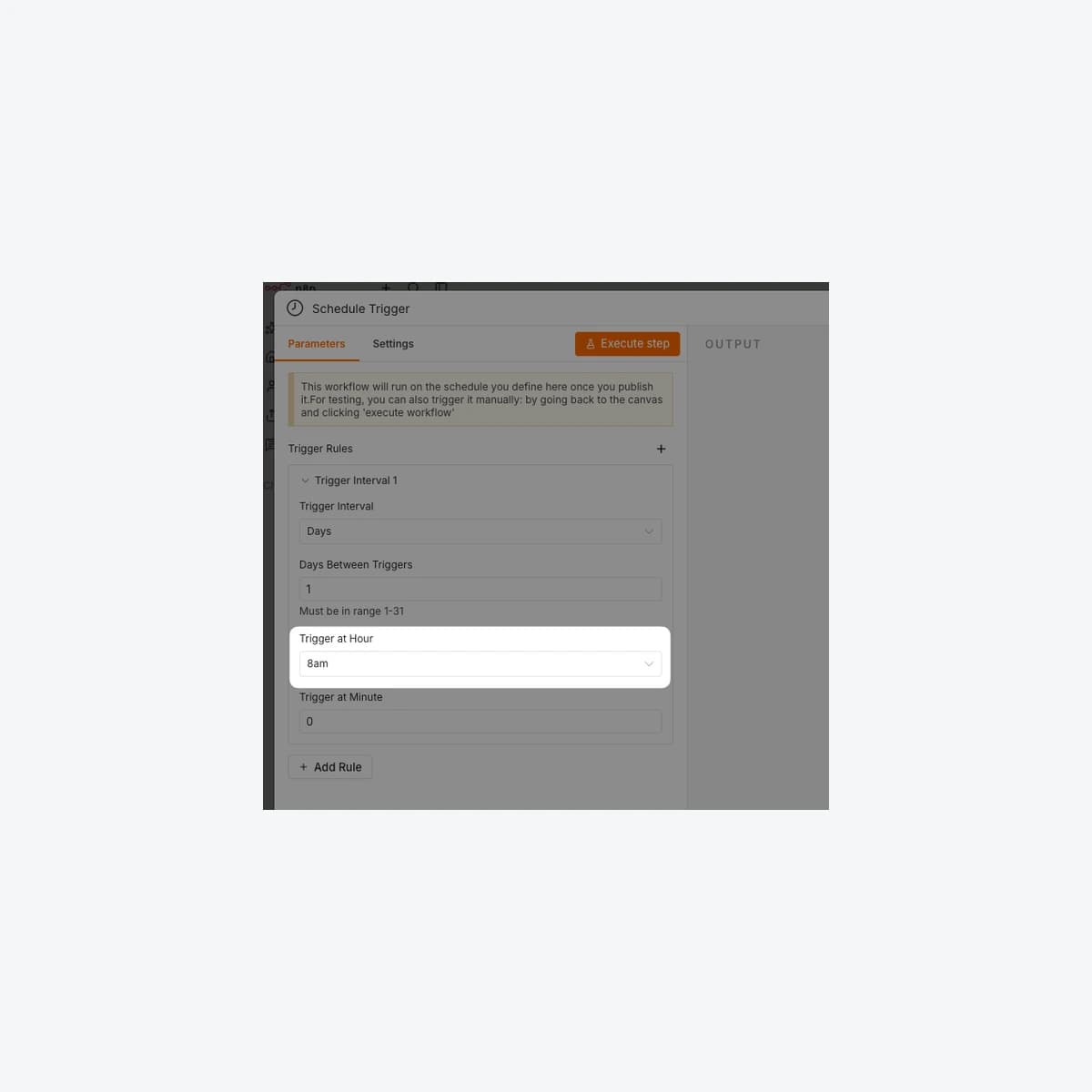
The October 22 n8n 2.44.6 patch isolates legacy Postgres node timestamp parsers. Check affected scheduler configurations, upgrade and verify that expected runs resume.
↗︎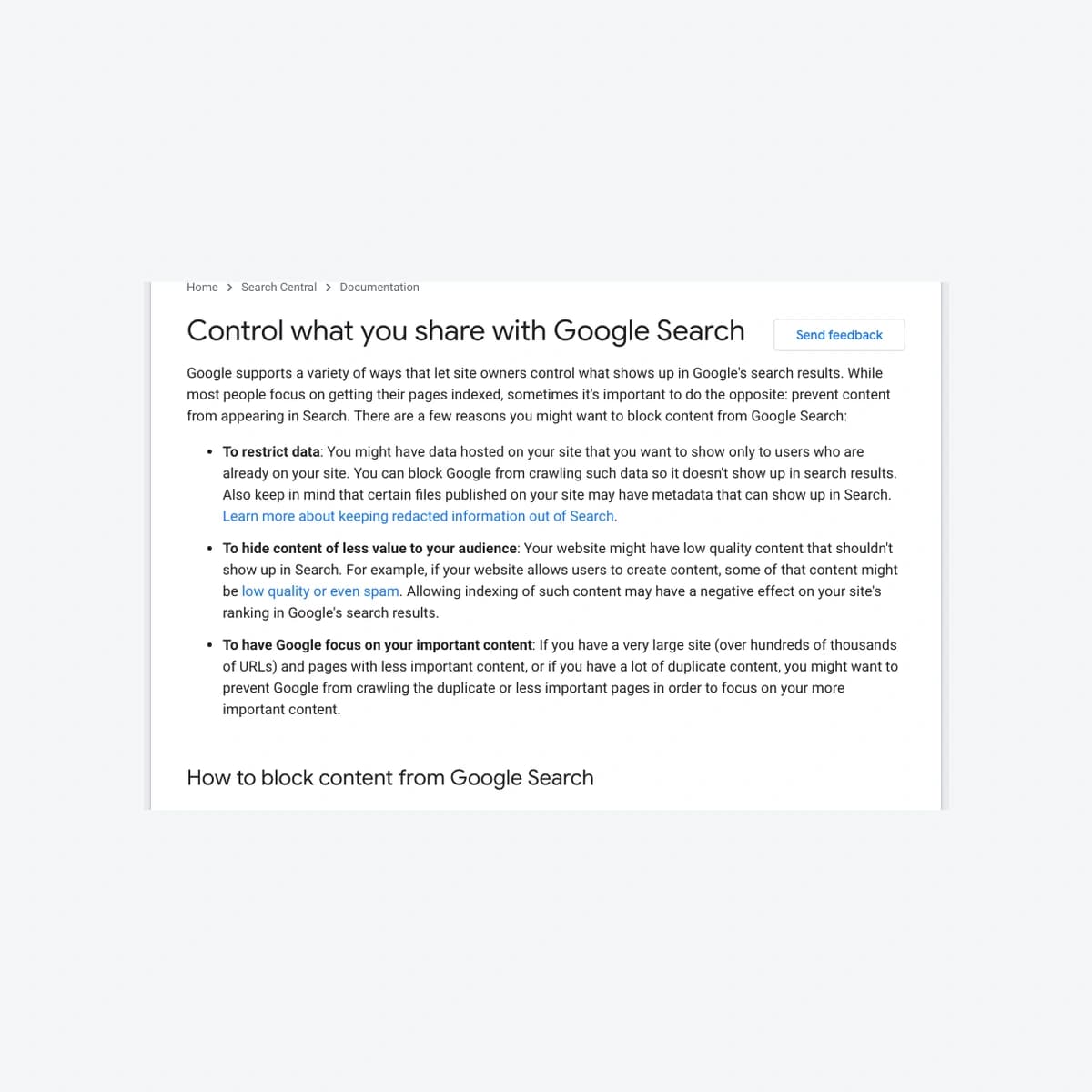
The October 21 Search Central update clarifies existing robots, snippet, header and Search AI controls. It is a documentation change, not a new ranking algorithm.
↗︎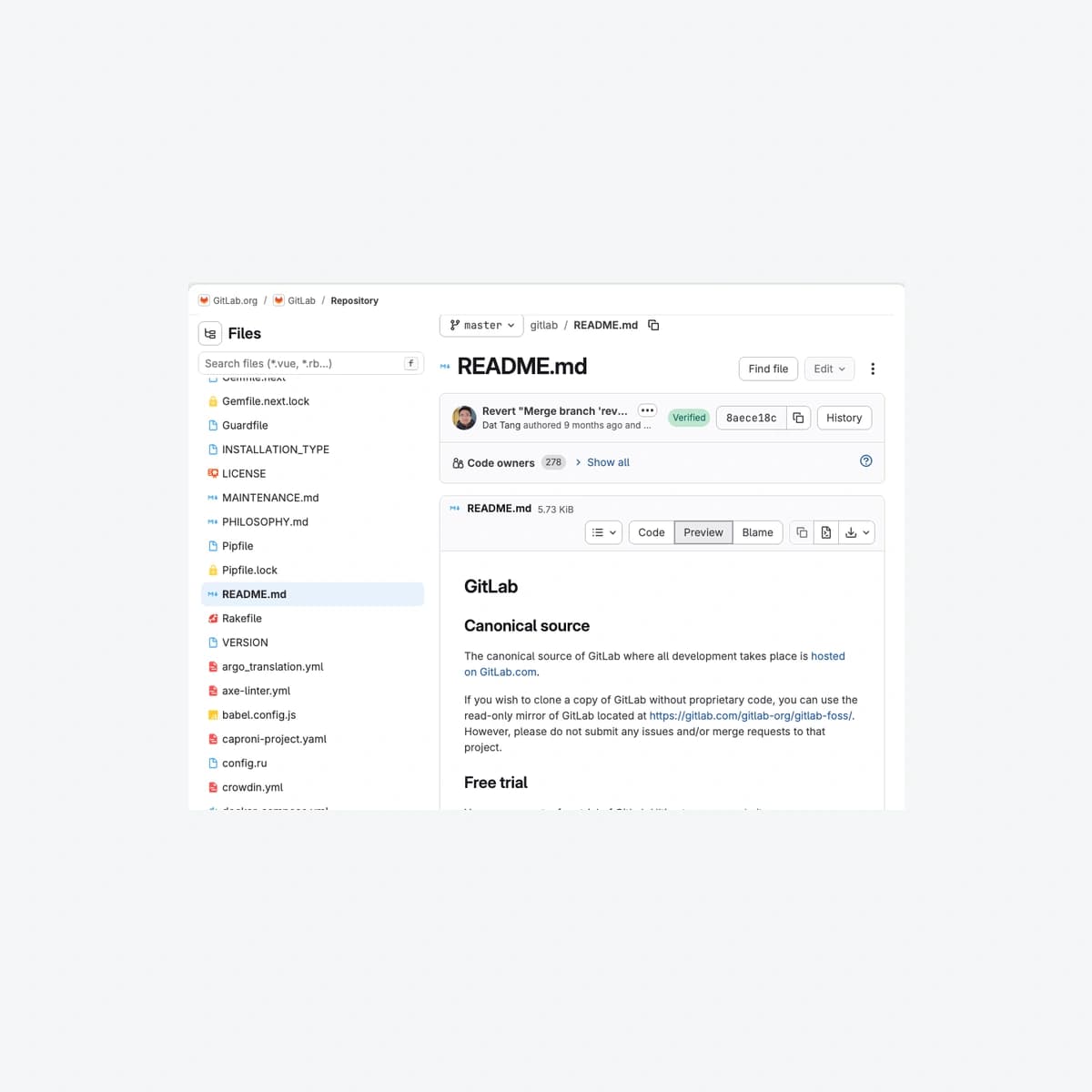
GitLab published fixes on October 21 for CVE-2026-110264 affecting CE/EE since 7.0. Identify the correct release branch, upgrade and review self-managed server telemetry.
↗︎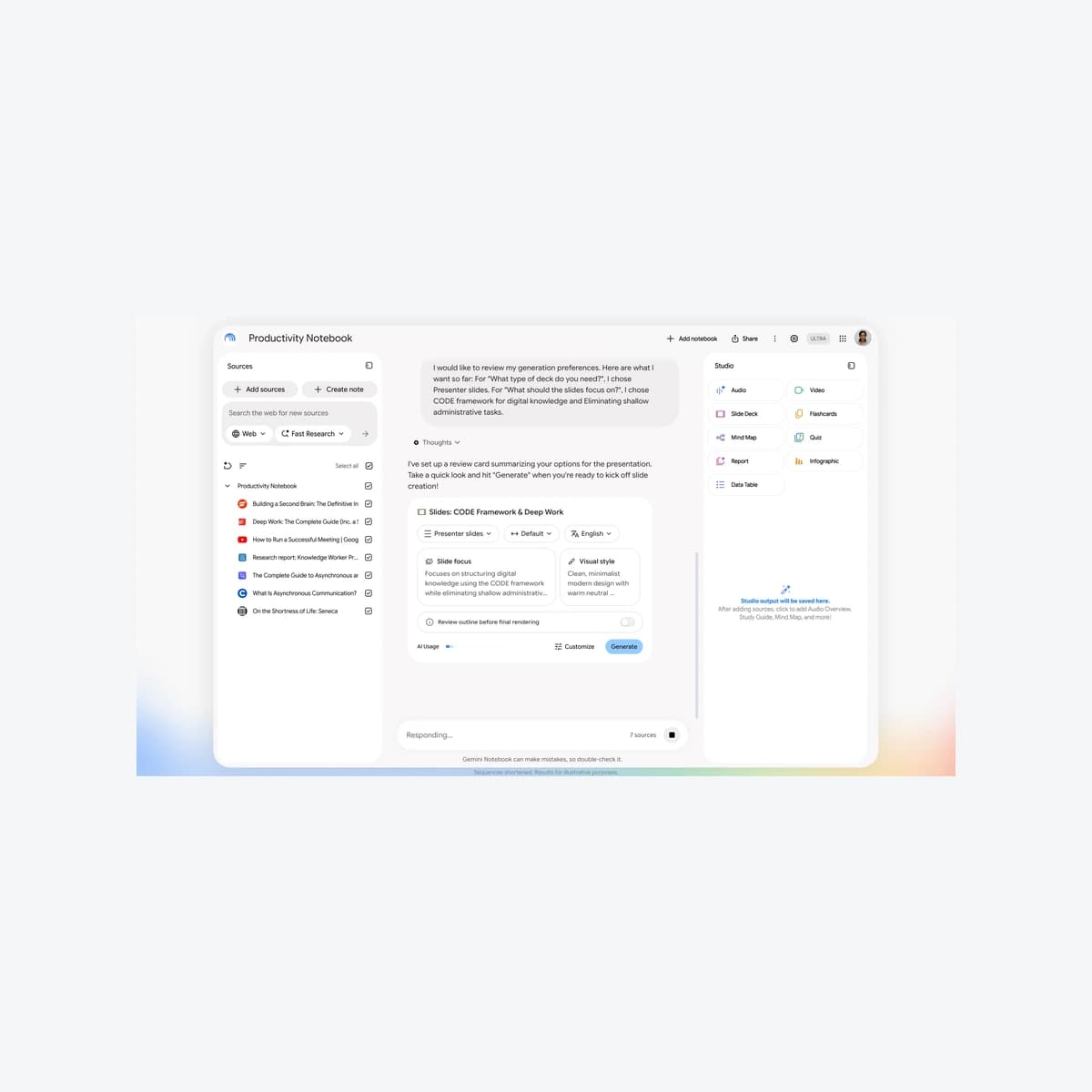
Announced October 19 and detailed by Workspace October 21, the co-creation flow adds Review before final output. Rollout began October 16; source and outline checks still need an editor.
↗︎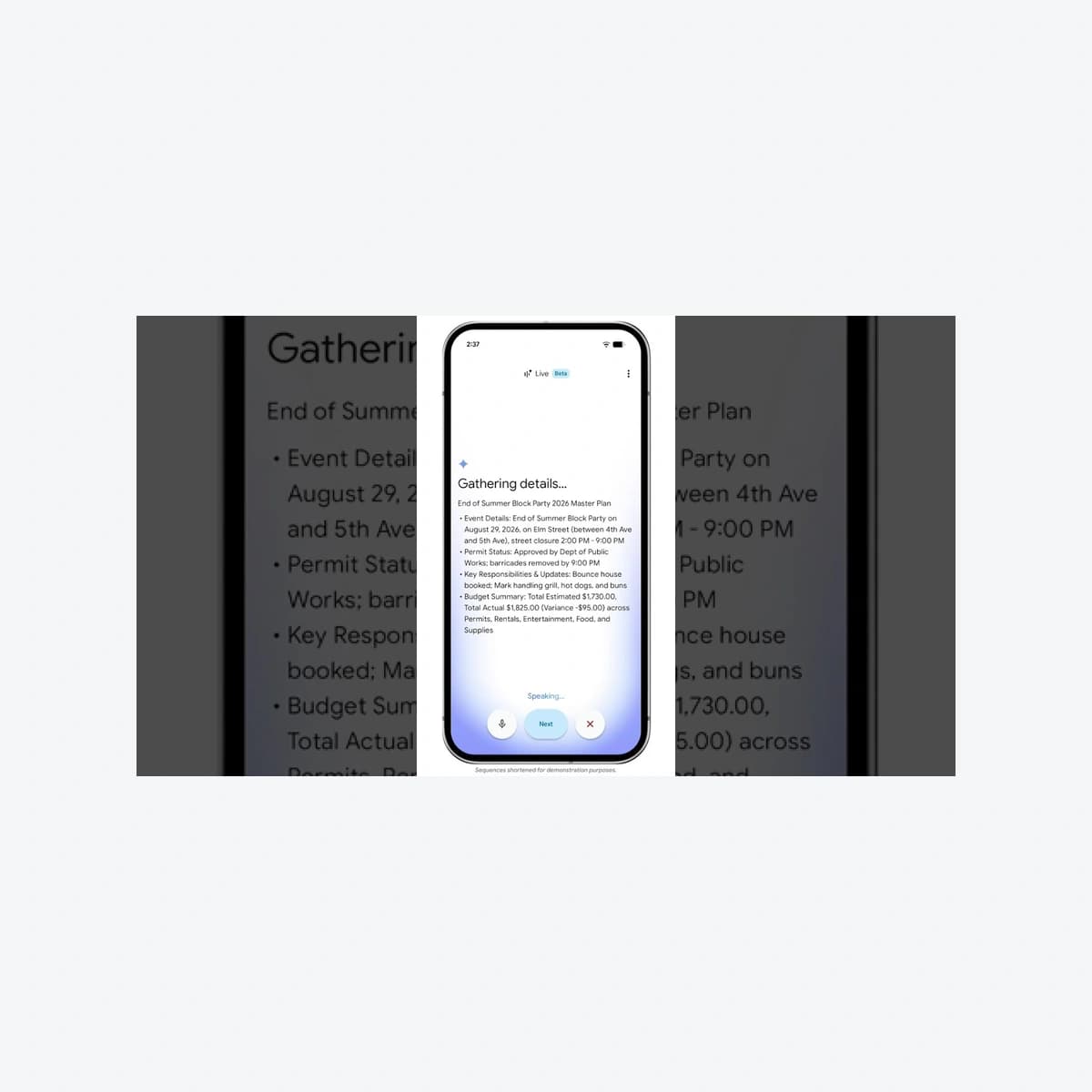
The October 21 Workspace notice rolls Docs Live out to eligible Android/iOS plans. Review language support, reference sources and Gemini access before using real business documents.
↗︎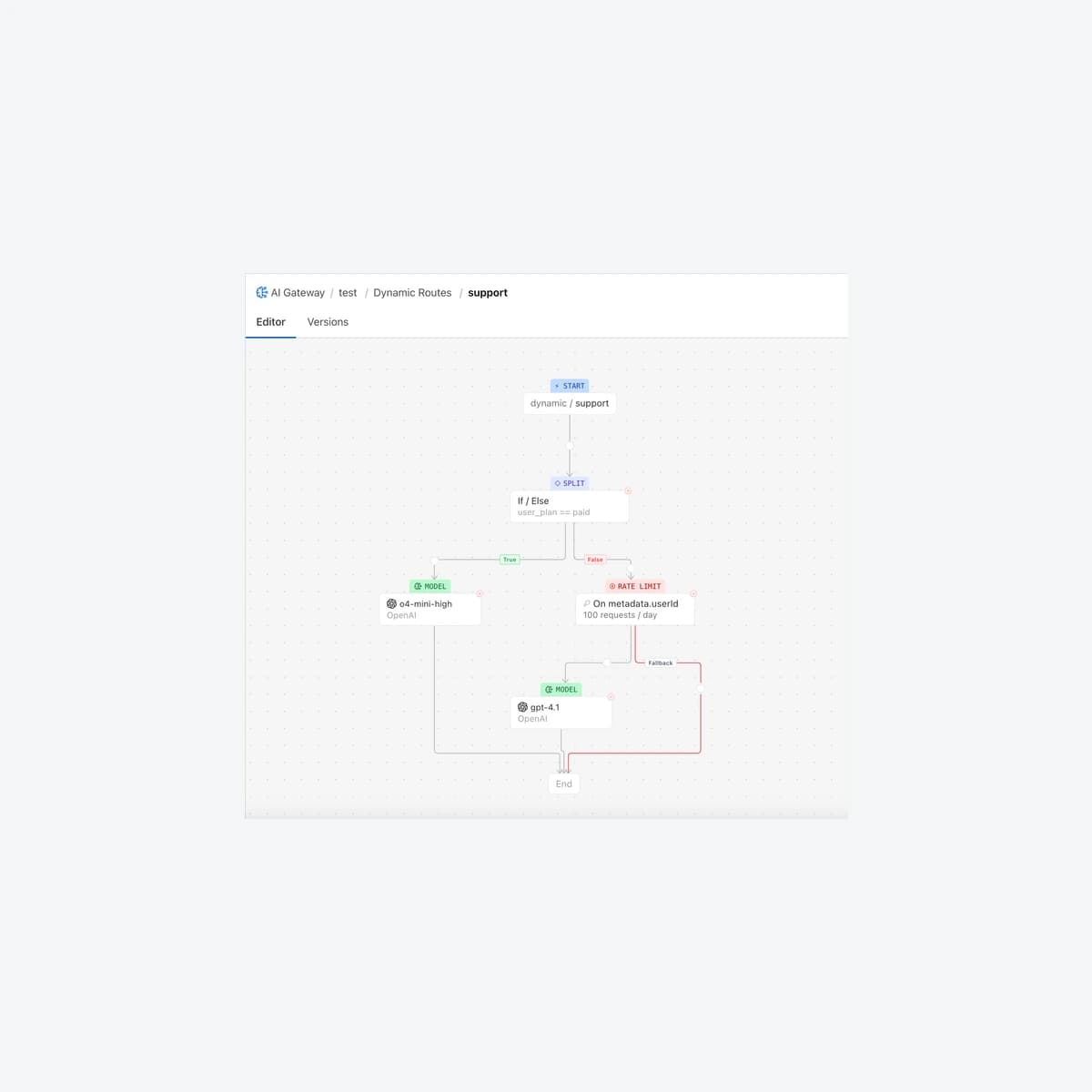
The October 21 change unifies Workers AI, AI Gateway and dynamic routes in Agents SDK. Older providers are feature-frozen; the new API remains beta and needs controlled migration.
↗︎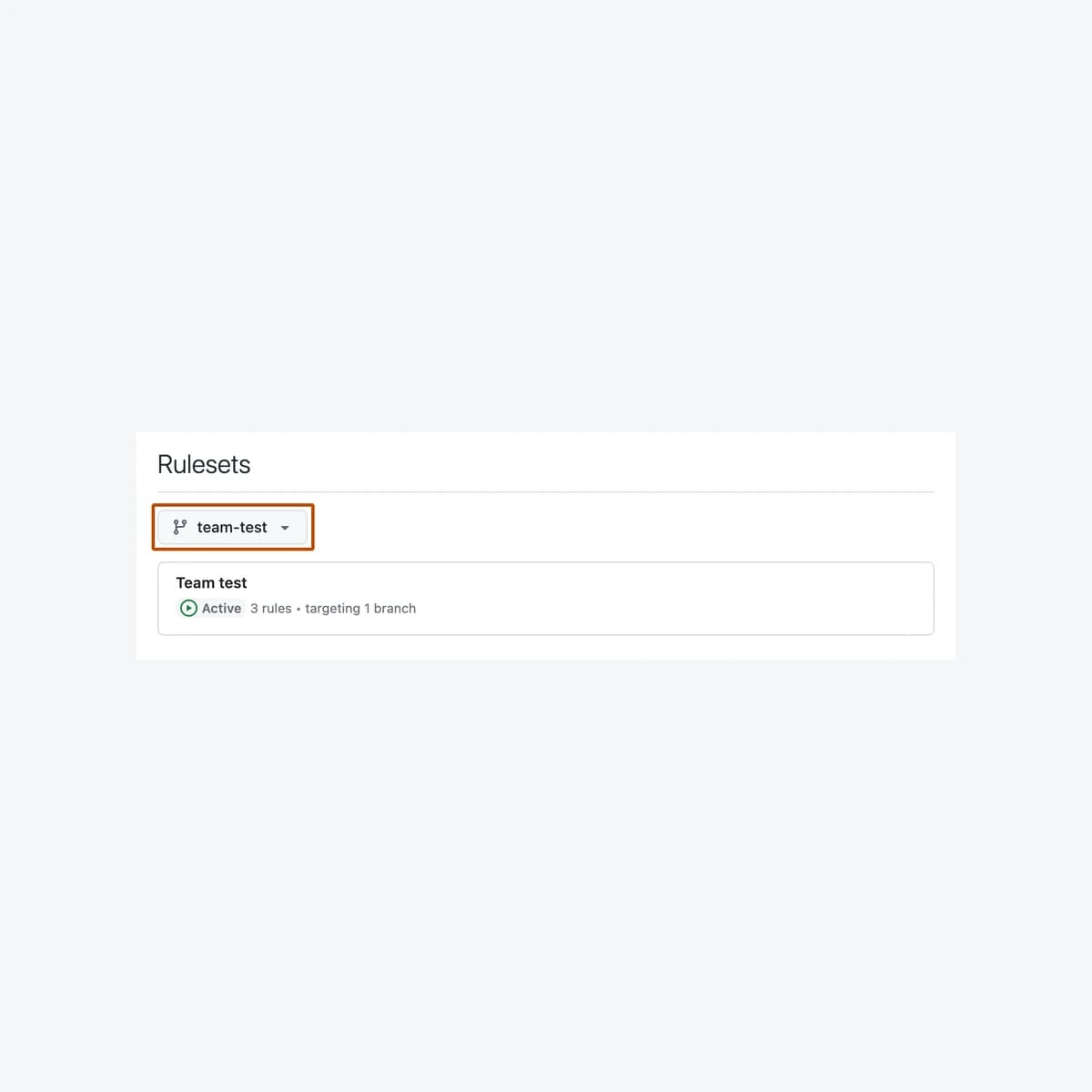
The October 20 announcement adds preview and bulk conversion within a repository. Check Active enforcement, branch coverage and bypass permissions before removing old protections.
↗︎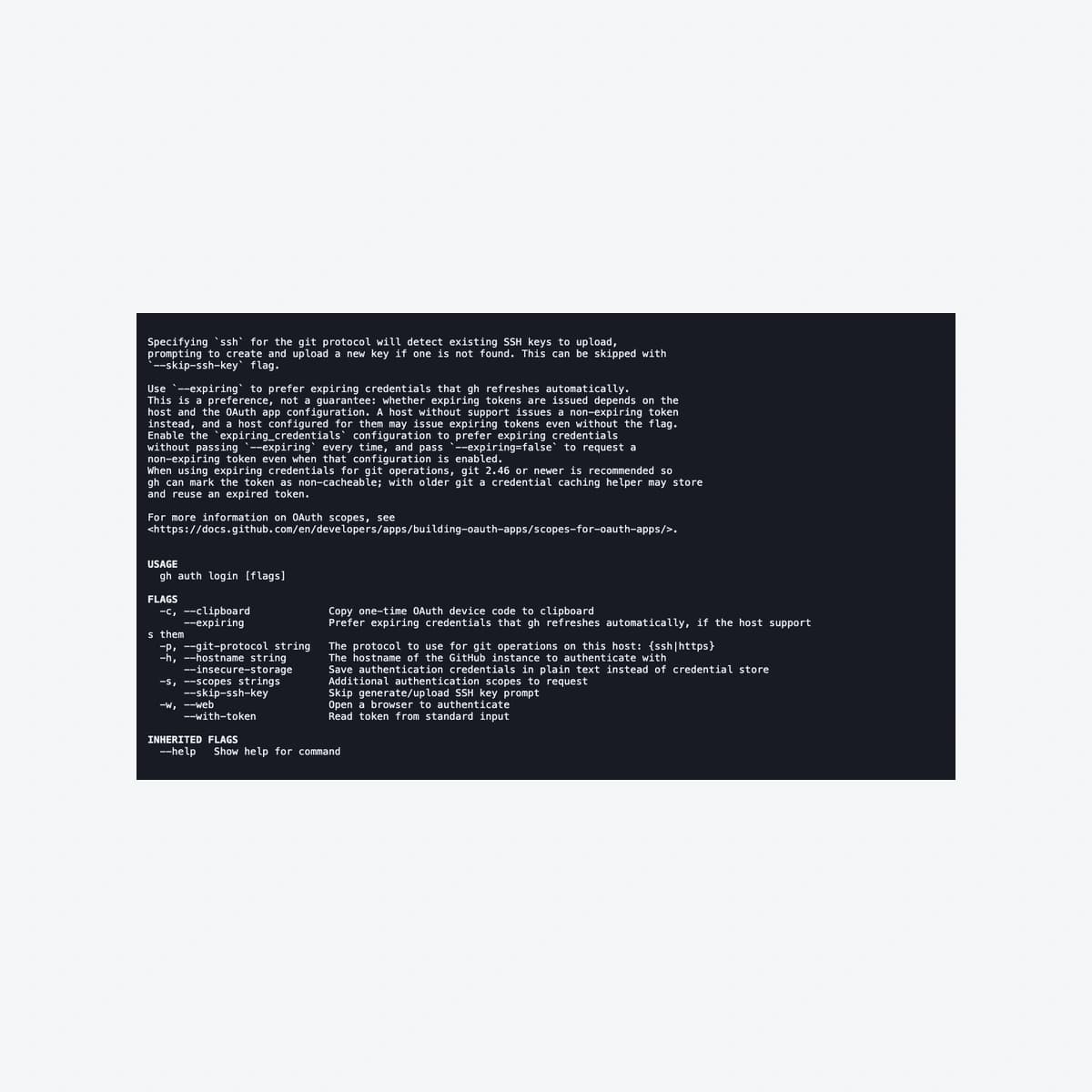
The October 21 preview offers short-lived OAuth access with automatic refresh. Check gh, Git and scripts that copy tokens before opting in; environment-supplied tokens are not refreshed.
↗︎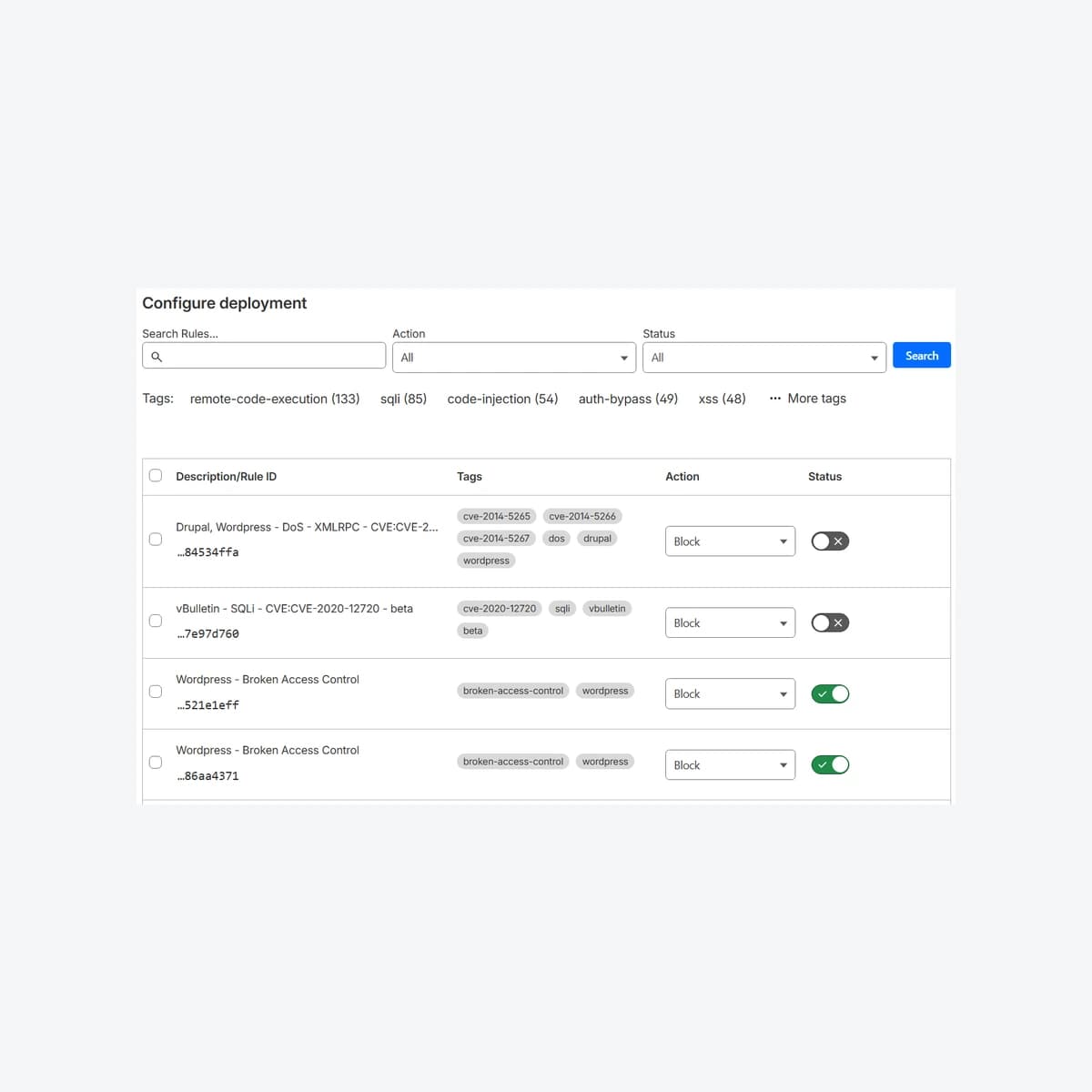
October 21 notices add seven detections to each Free and Managed ruleset. Verify effective rules, exceptions and business flows; a WAF is not an application patch.
↗︎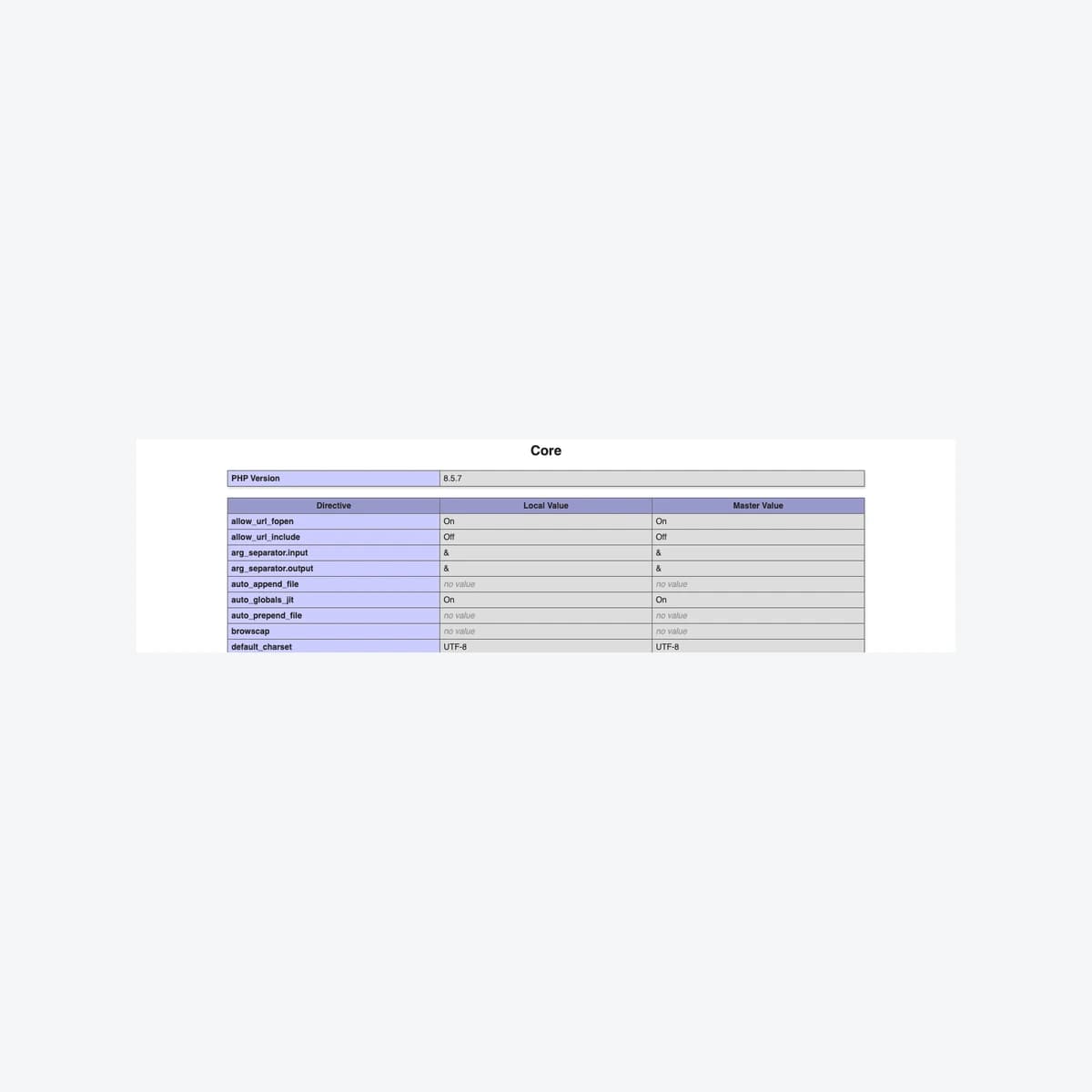
PHP shipped 8.5.12, 8.4.27, 8.3.36 and 8.2.35 on October 21. The flaws can allow unauthenticated code execution; configuration changes or a WAF do not replace patching.
↗︎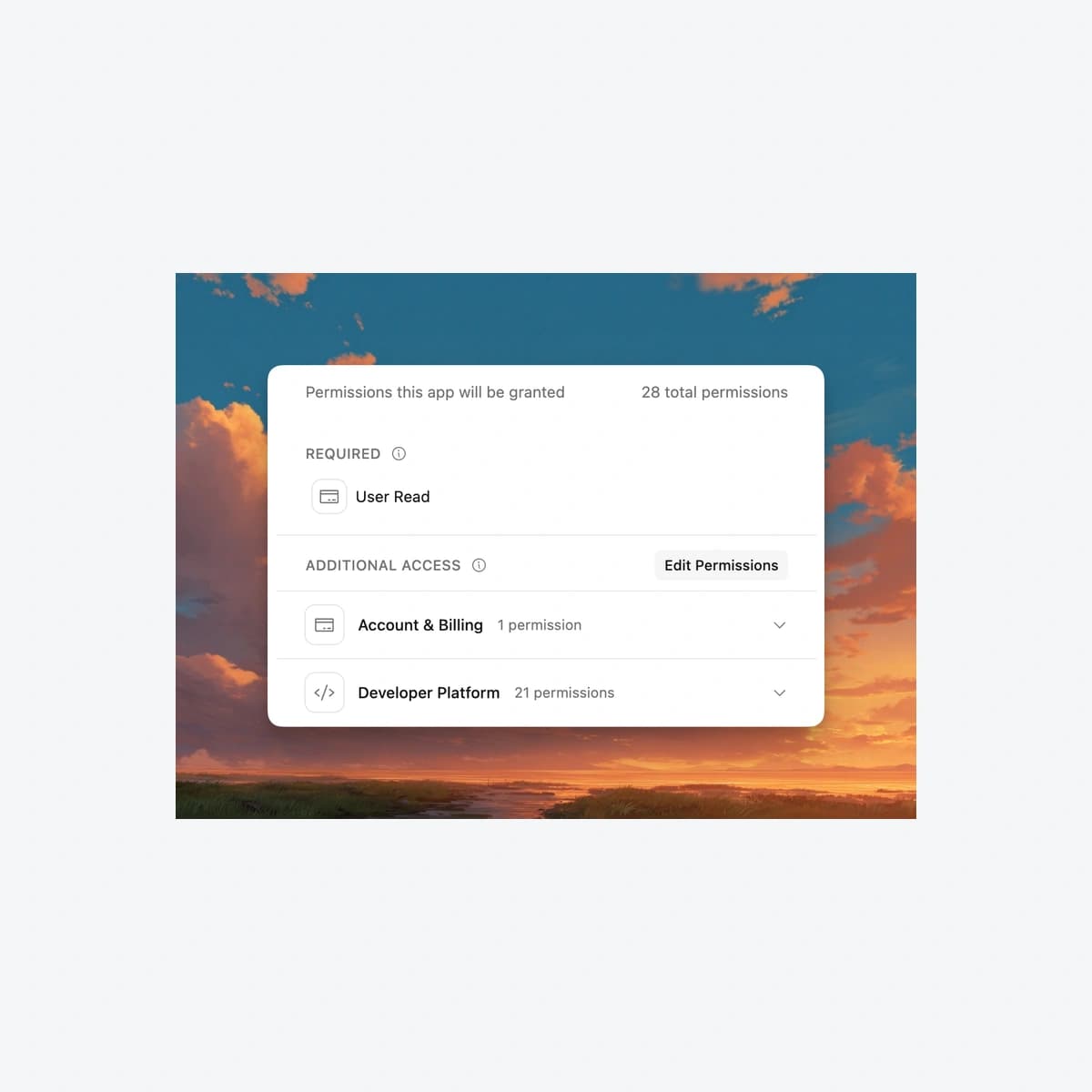
The October 19 change lets users begin with Minimal and approve additional scopes when needed. Check client support, retained permissions and connection revocation.
↗︎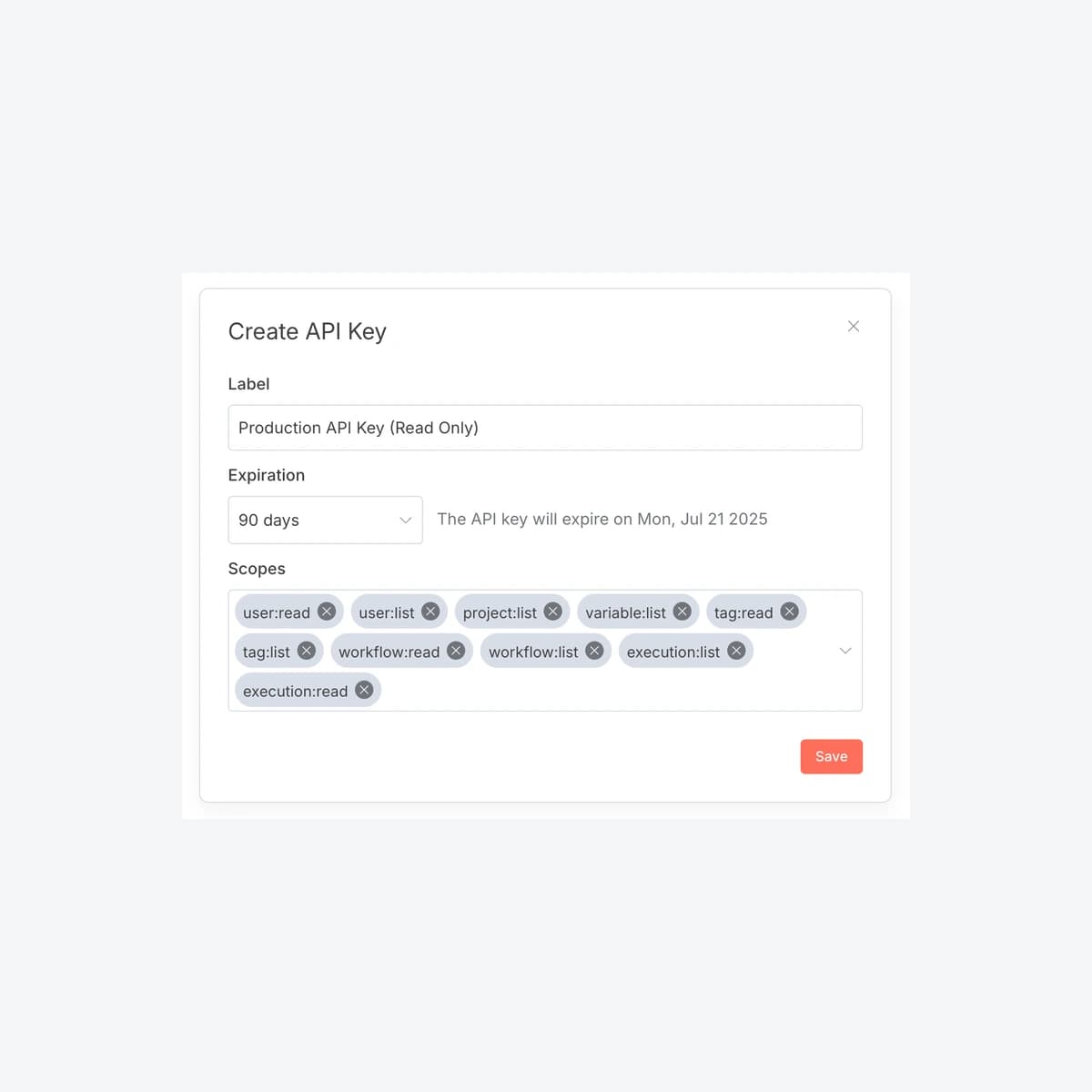
The October 20 prerelease adds Idempotency-Key for Public API POSTs, retaining successful responses for 12 hours. Handle 409/422 and avoid assuming business-wide exactly-once delivery.
↗︎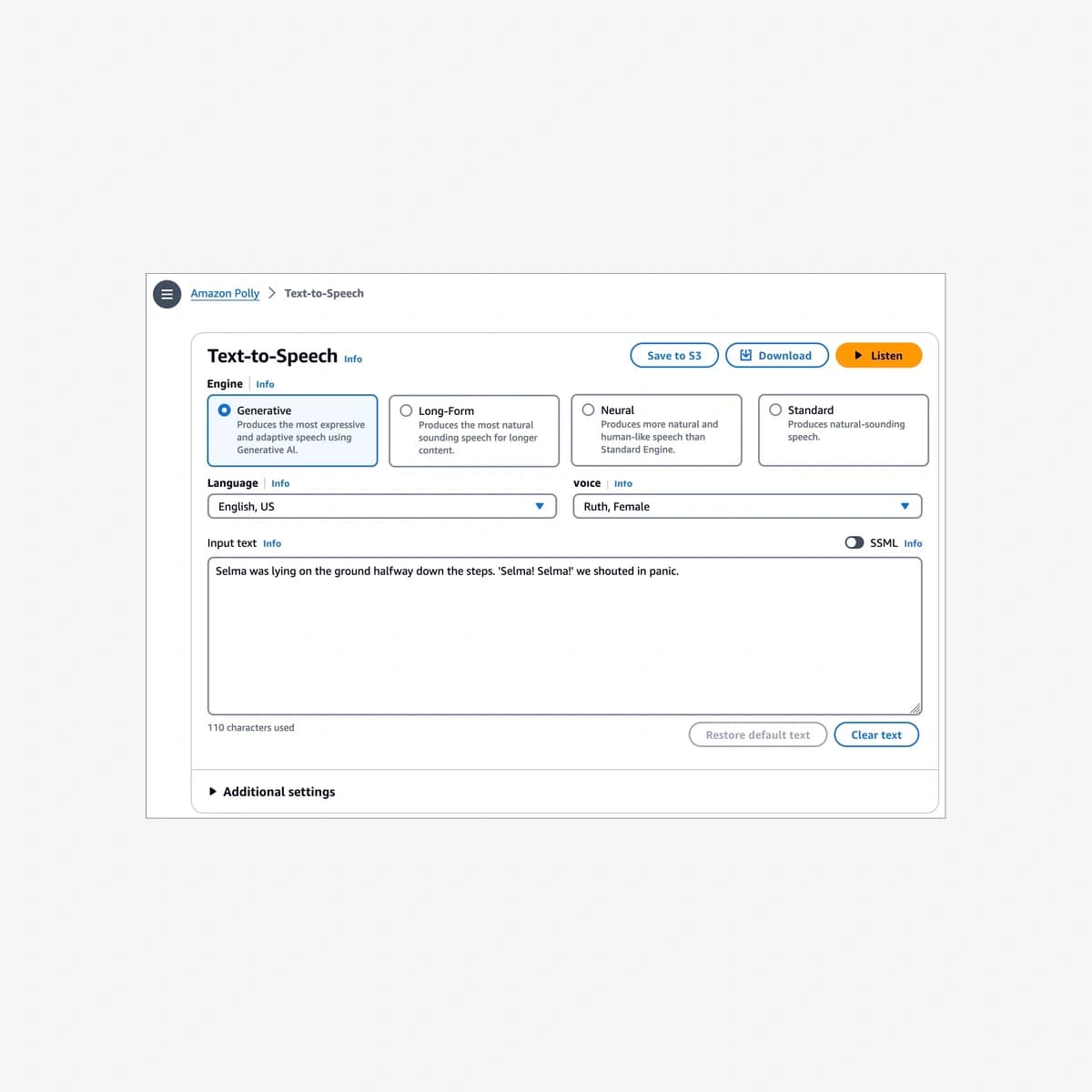
AWS’s October 20 announcement upgrades Generative and adds Hindi and Finnish. Check voice availability, region, SSML and consistency before replacing production audio.
↗︎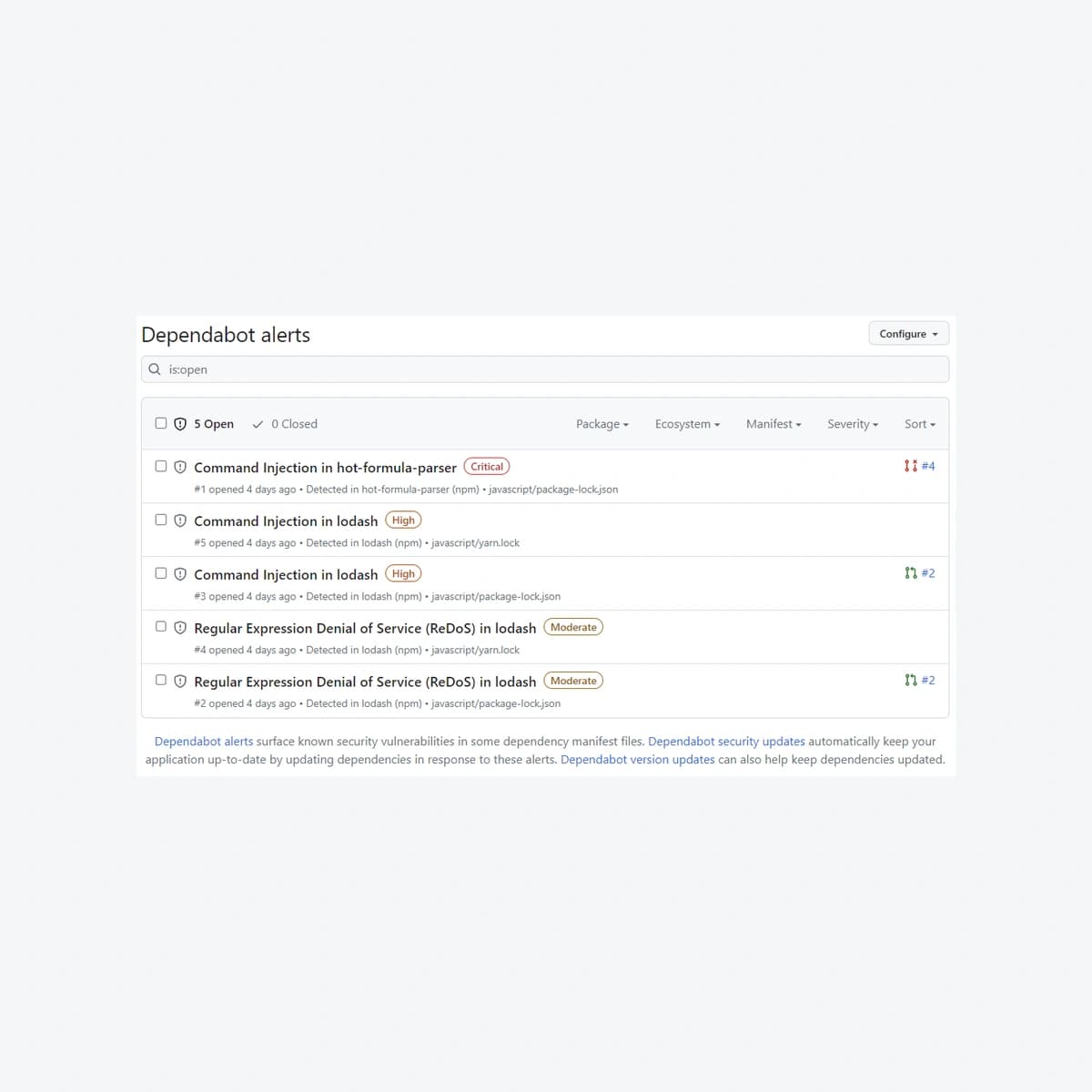
Two October 20 announcements add npm installation controls and version data in alerts. Businesses should check preview eligibility, API access and data limitations.
↗︎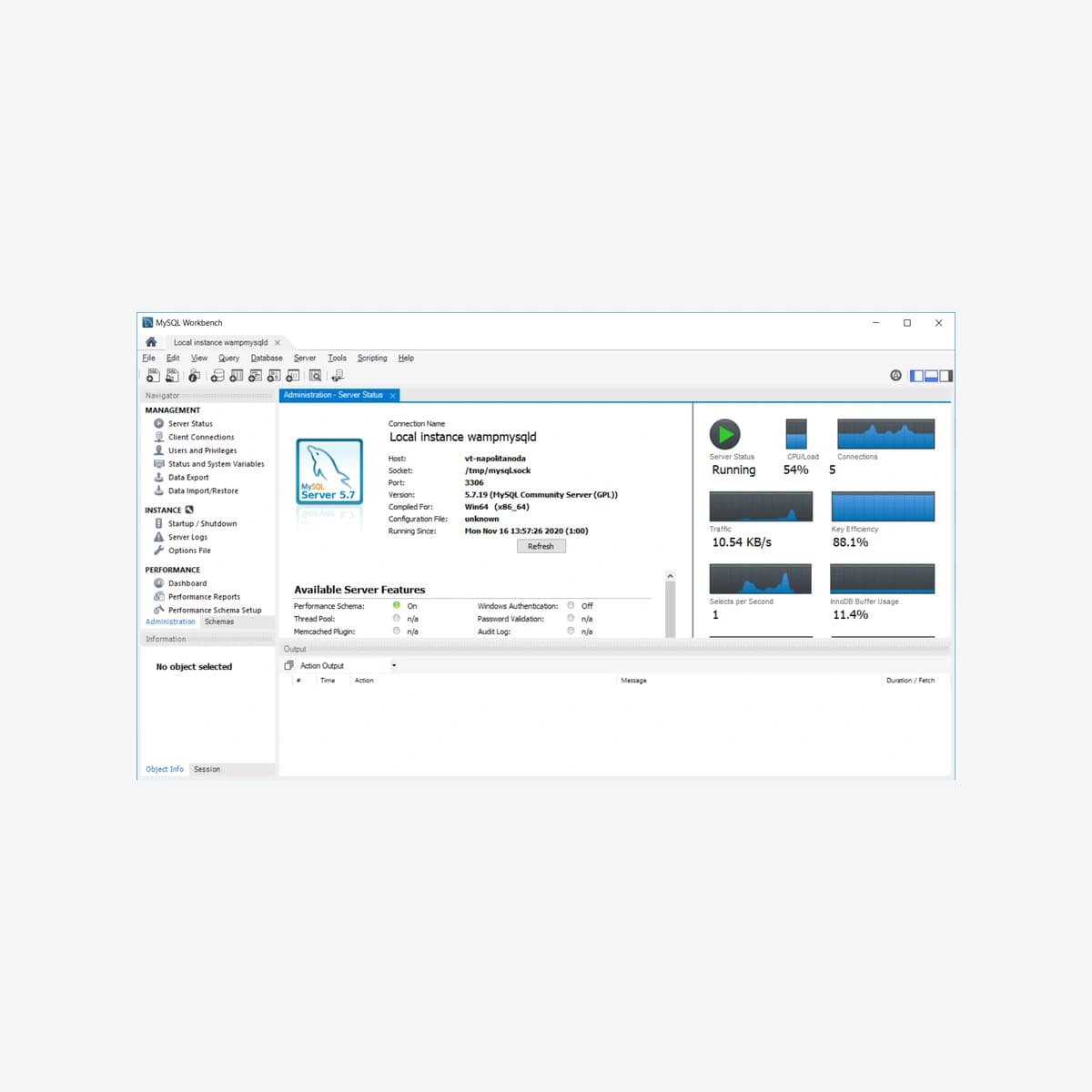
The October 20 CPU includes 98 patches across the MySQL family, with MySQL 8.4.13 release notes available. Authentication and network prerequisites differ by vulnerability.
↗︎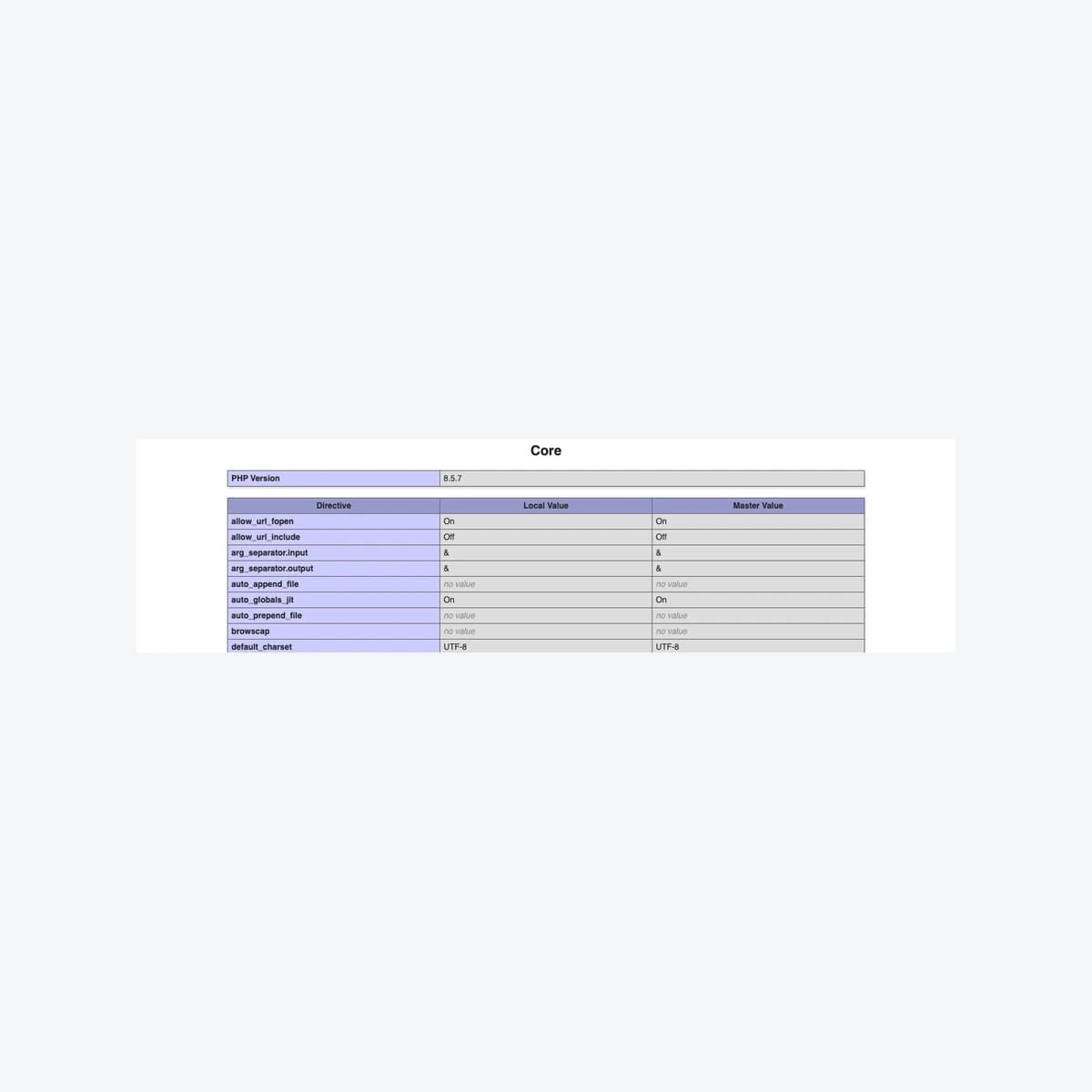
PHP’s October 20 notice schedules fixes for 14:00 UTC on October 21. Affected and fixed versions were not yet published by the vendor at this morning’s editorial check.
↗︎
Mozilla’s October 20 update packages blocks for eight compromised intermediates. Review OneCRL delivery, Firefox ESR and applications using NSS separately.
↗︎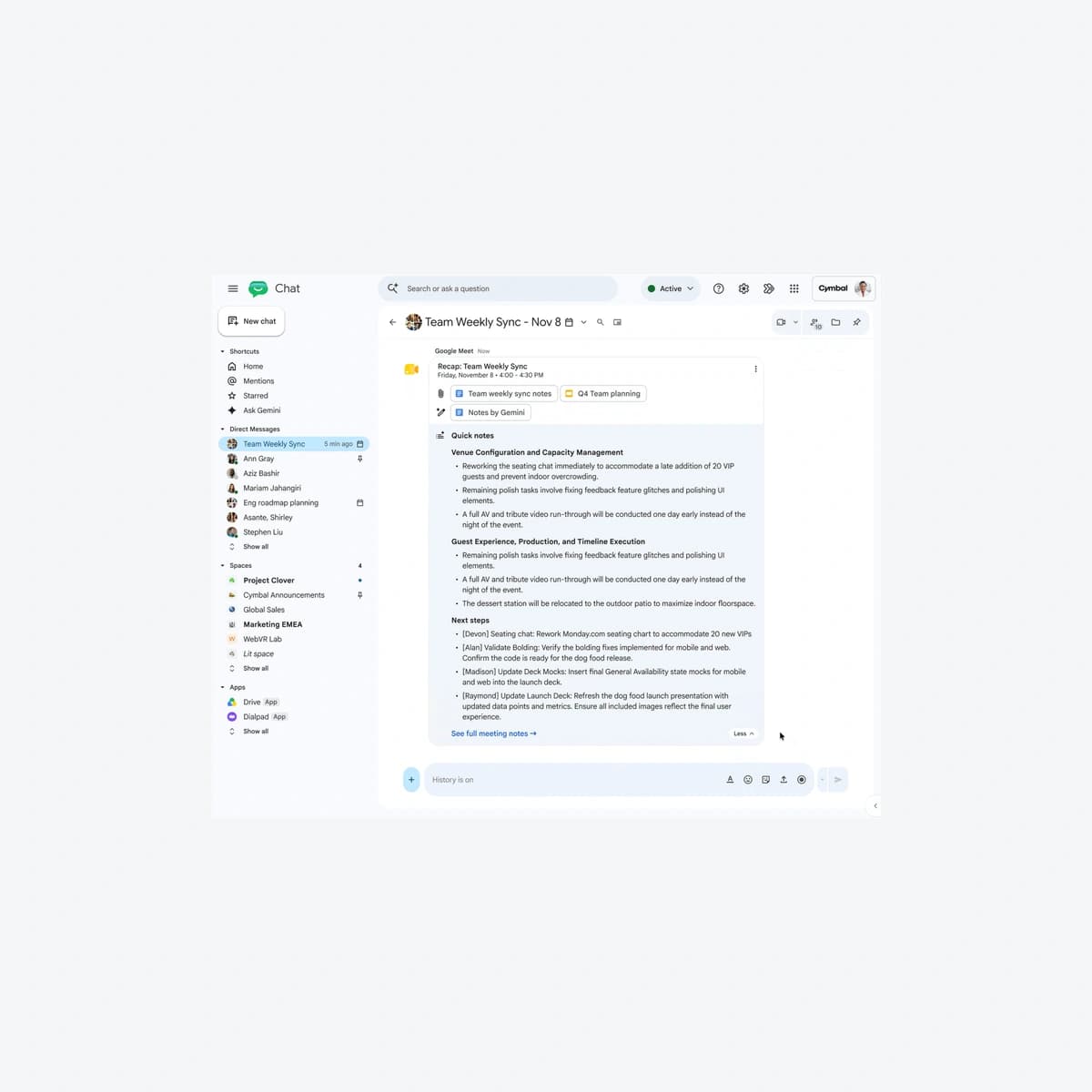
An October 19 notice adds Meet recaps in Chat when note-taking is active. Rapid rollout began October 16; Scheduled starts October 27, with host-only notes excluded.
↗︎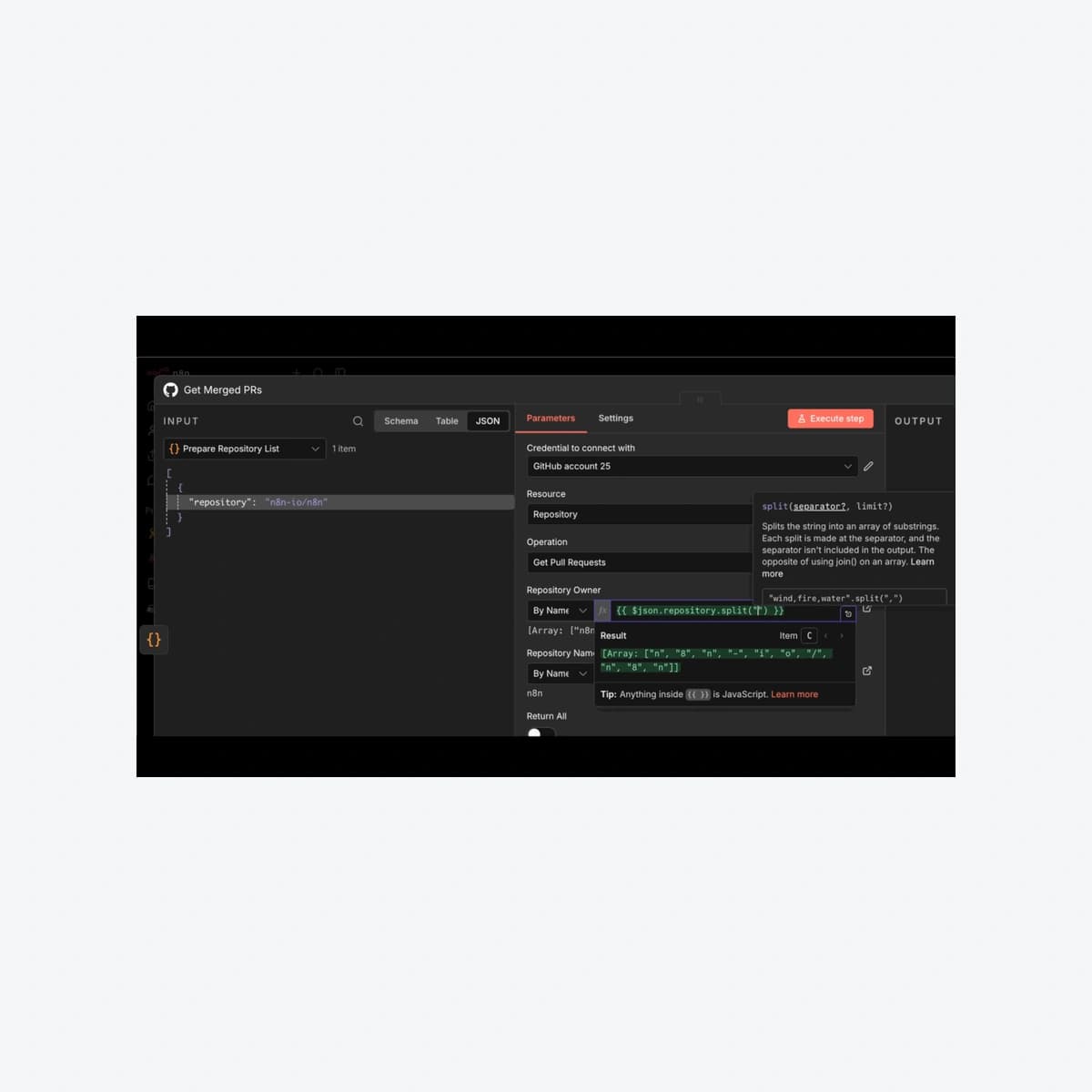
The October 19 stable release changes the default for expression.evaluate tracing. Self-hosted teams using OpenTelemetry should check collector output and explicit configuration.
↗︎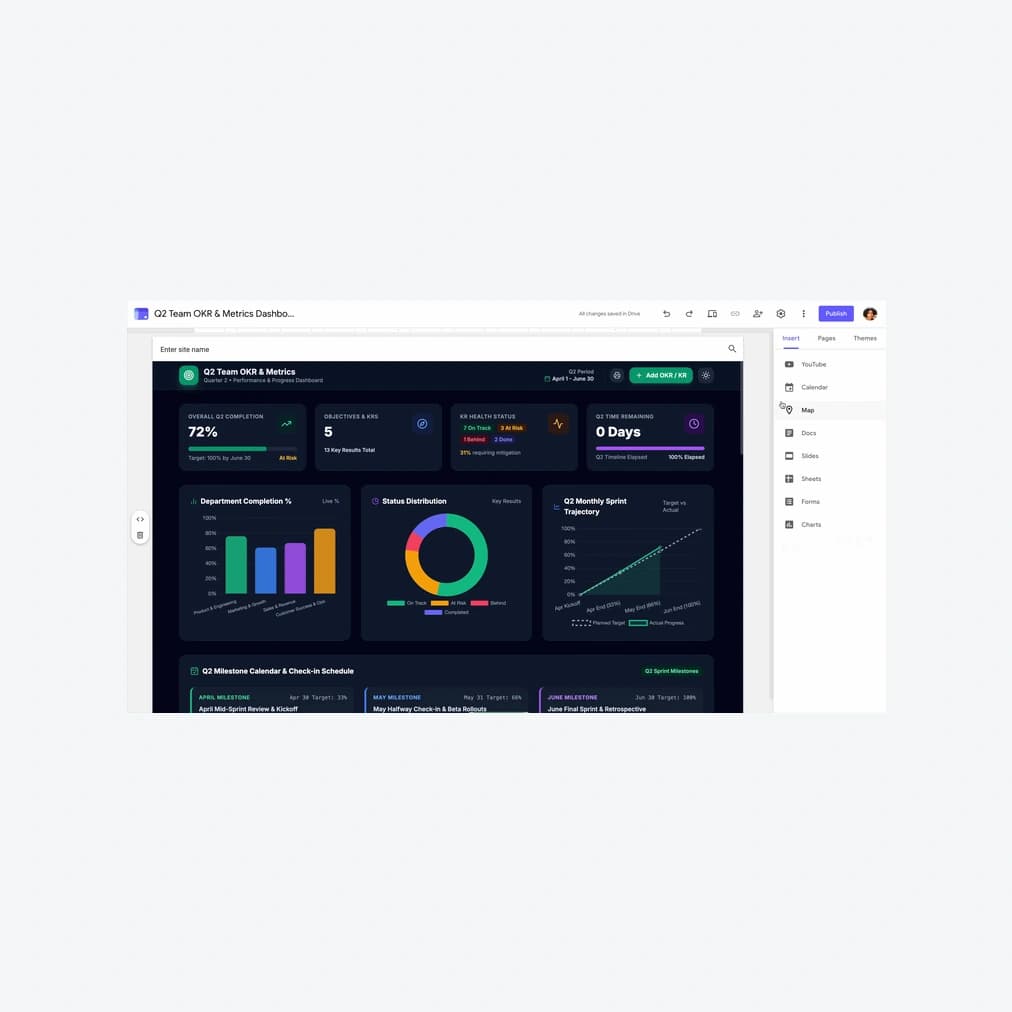
Google announced Export > Google Sites on October 19. Interactive apps become private drafts; publishing, access and content checks remain separate responsibilities.
↗︎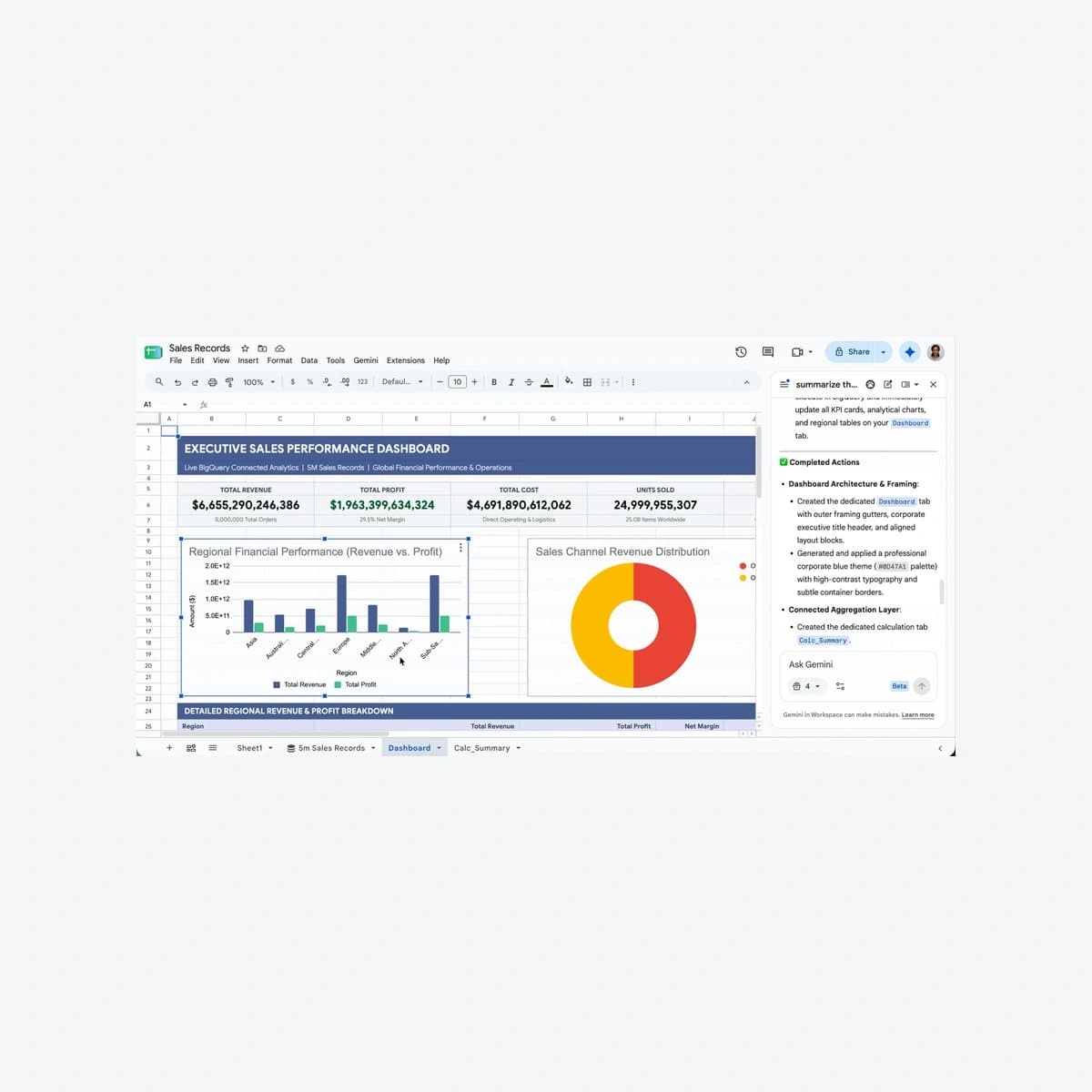
An October 19 Connected Sheets update adds natural-language BigQuery analysis and refreshable report objects. Query permissions, scope and cost still need review.
↗︎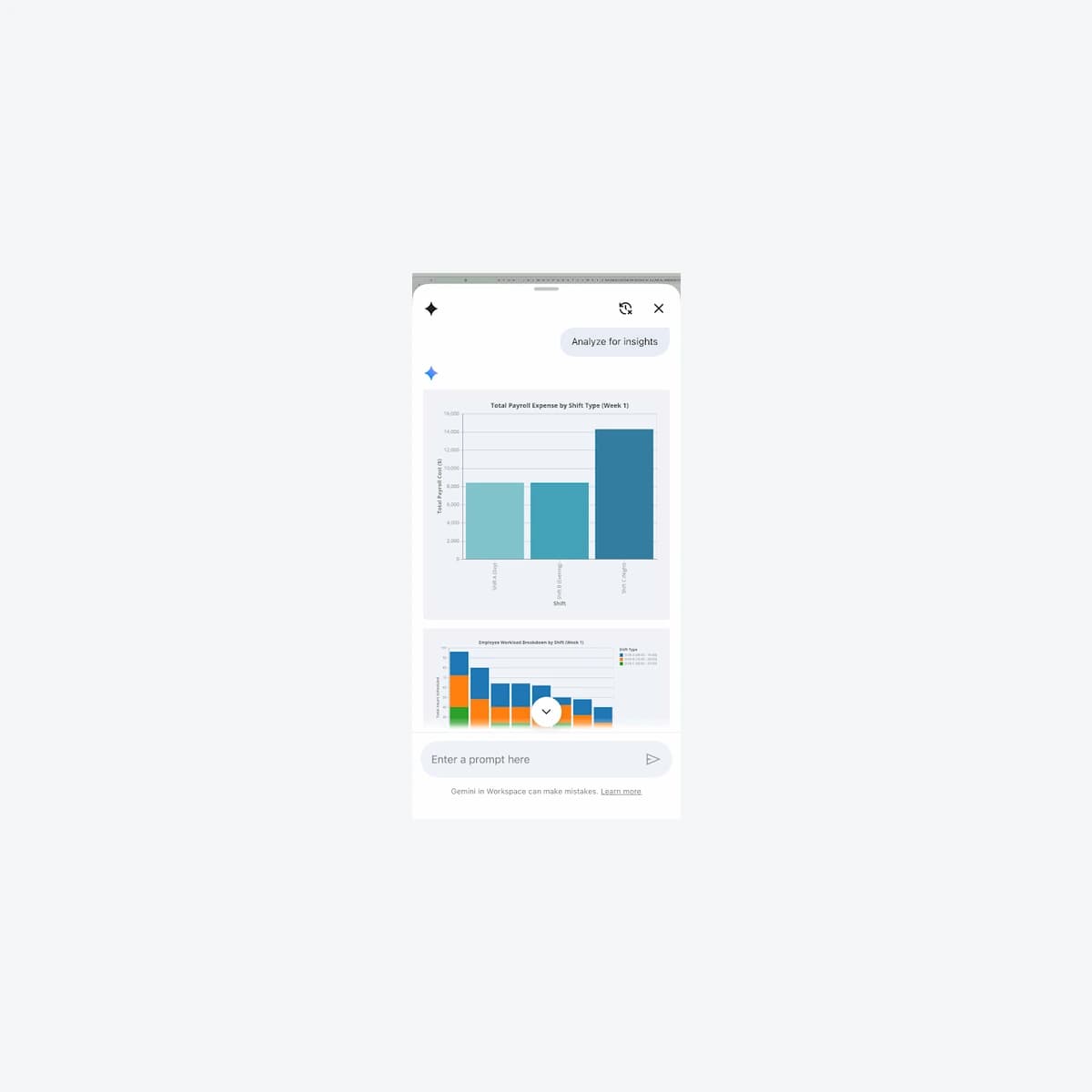
Google’s October 19 notice covers a rollout begun October 15. iOS users can ask about data and generate static charts, while editing and formatting actions remain unsupported.
↗︎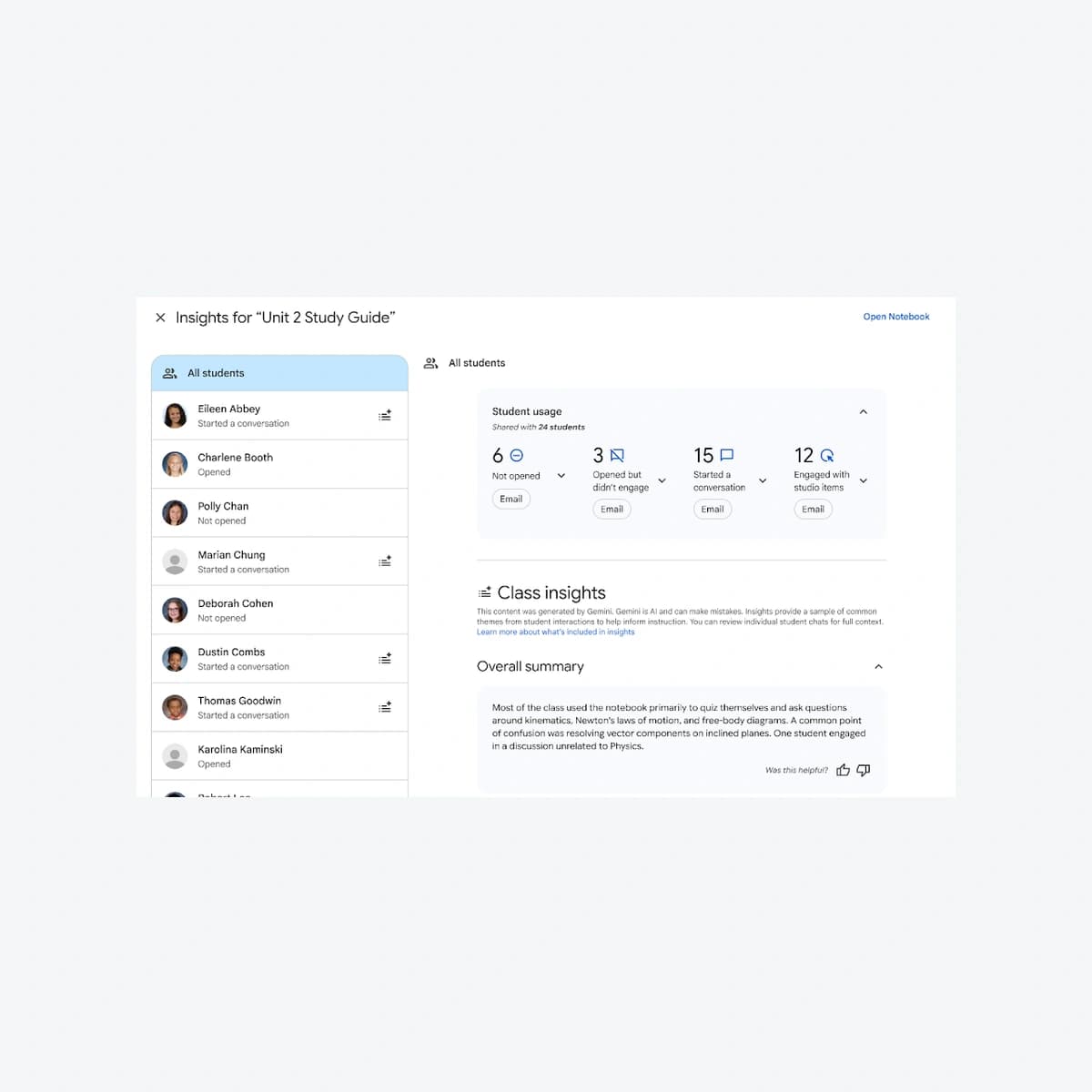
An October 19 announcement adds Insights for Classroom-assigned notebooks and trusted-domain sharing. Schools should review permissions, student notices and AI summaries.
↗︎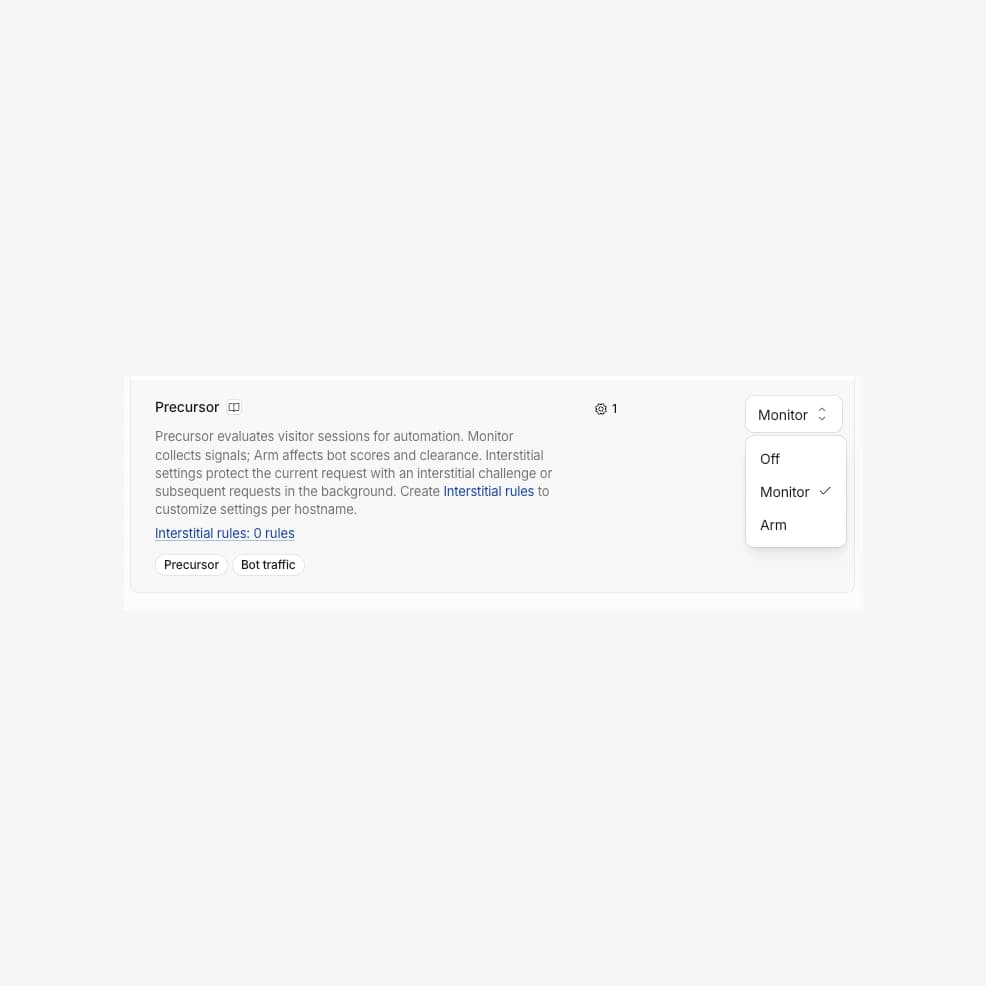
Cloudflare announced Monitor on October 19: Precursor signals leave bot score and clearance unchanged. Interstitials remain separate and need checkout/API testing.
↗︎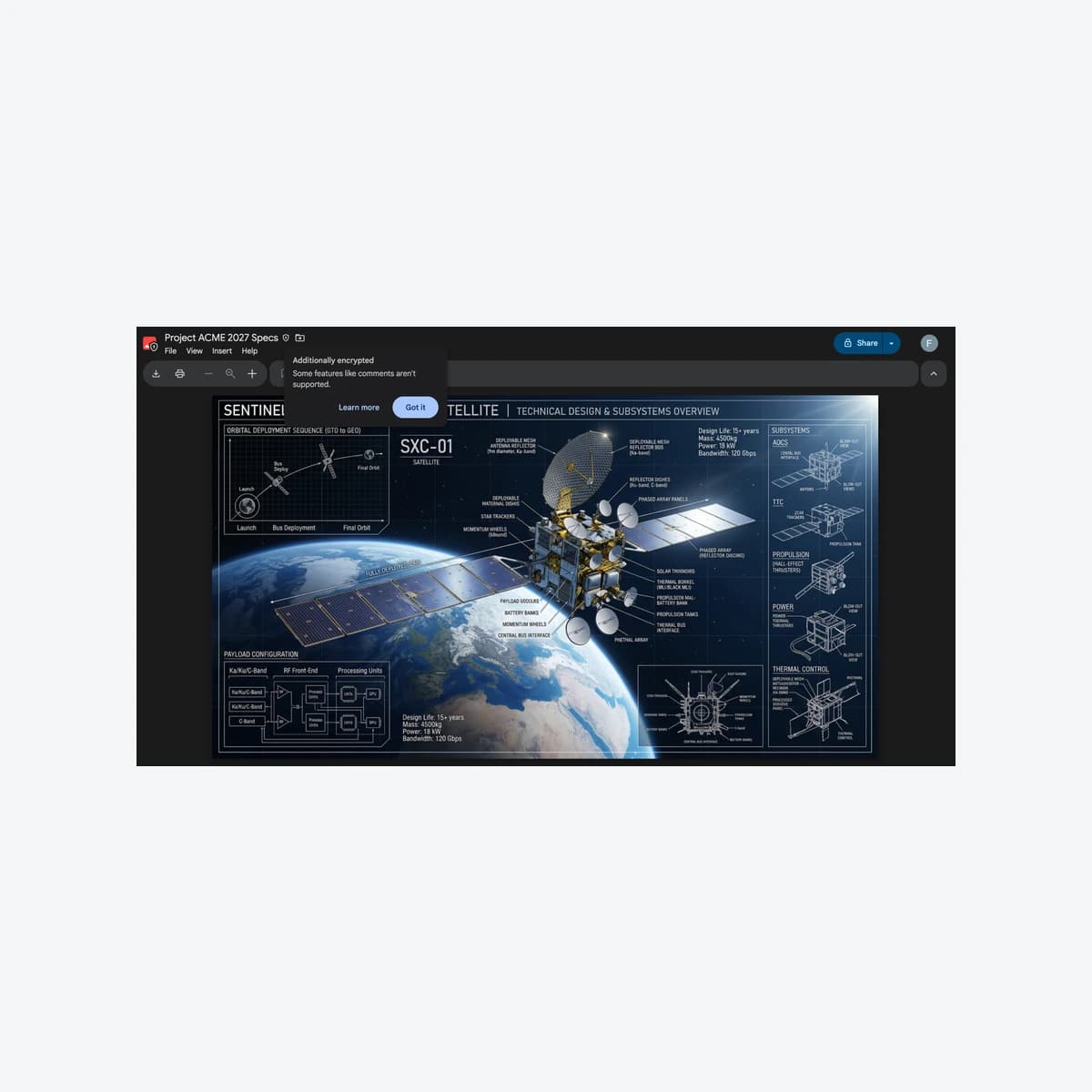
Google announced general availability on October 15 for CSE PDF and image previews in Drive. Decryption access still matters; review editions and rollout before changing workflows.
↗︎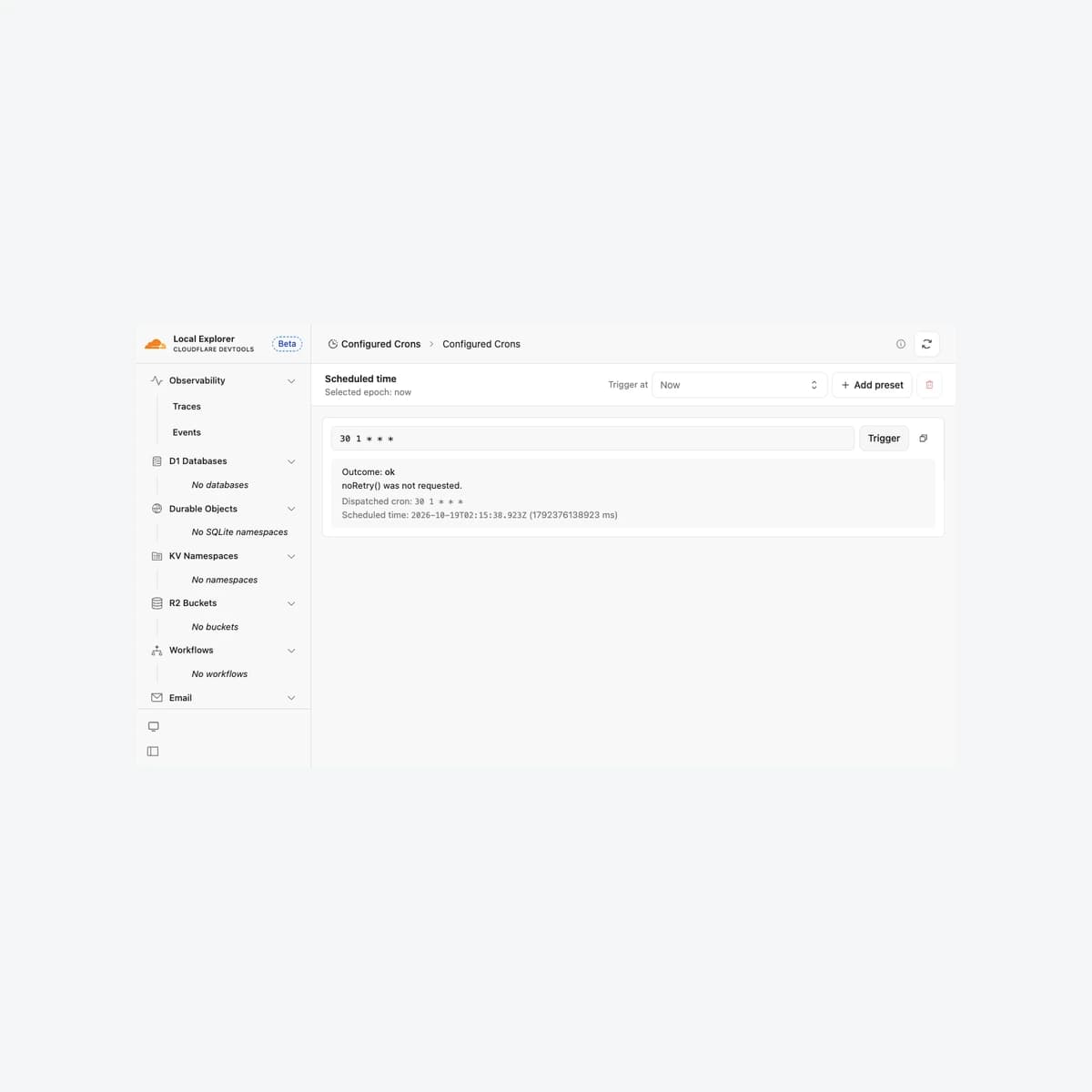
The October 17 update adds browser-based scheduled-handler tests. Friday Works ran an isolated local demo; an ok result does not validate a production schedule.
↗︎
An October 16 update improves trigram keyword matching for Japanese, Chinese and Korean questions. Multilingual sites should validate queries and plan for reindexing.
↗︎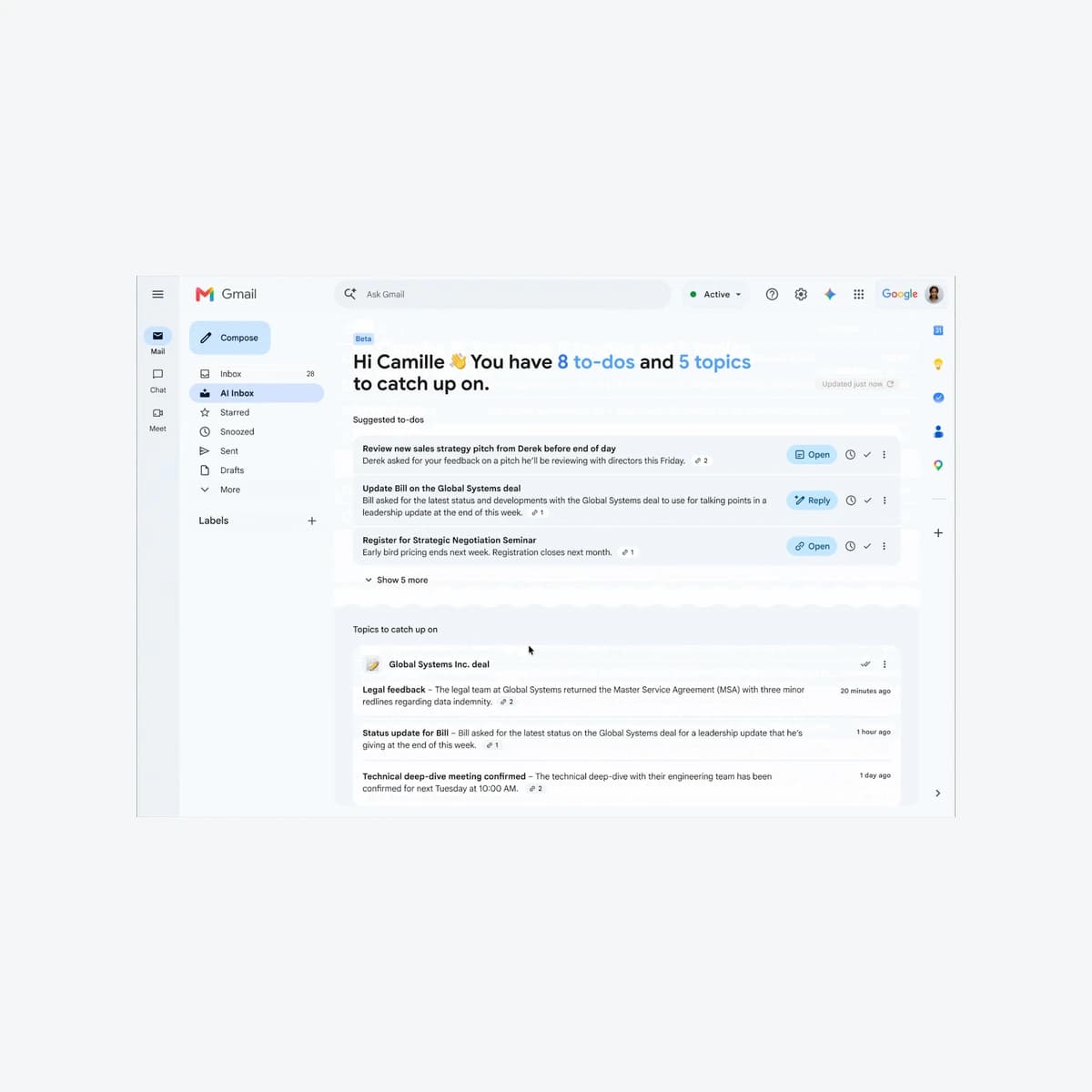
Google’s October 15 notice expands AI Inbox, with Rapid rollout from October 12 and Scheduled rollout from October 26. Eligibility and email coverage limit what teams can rely on.
↗︎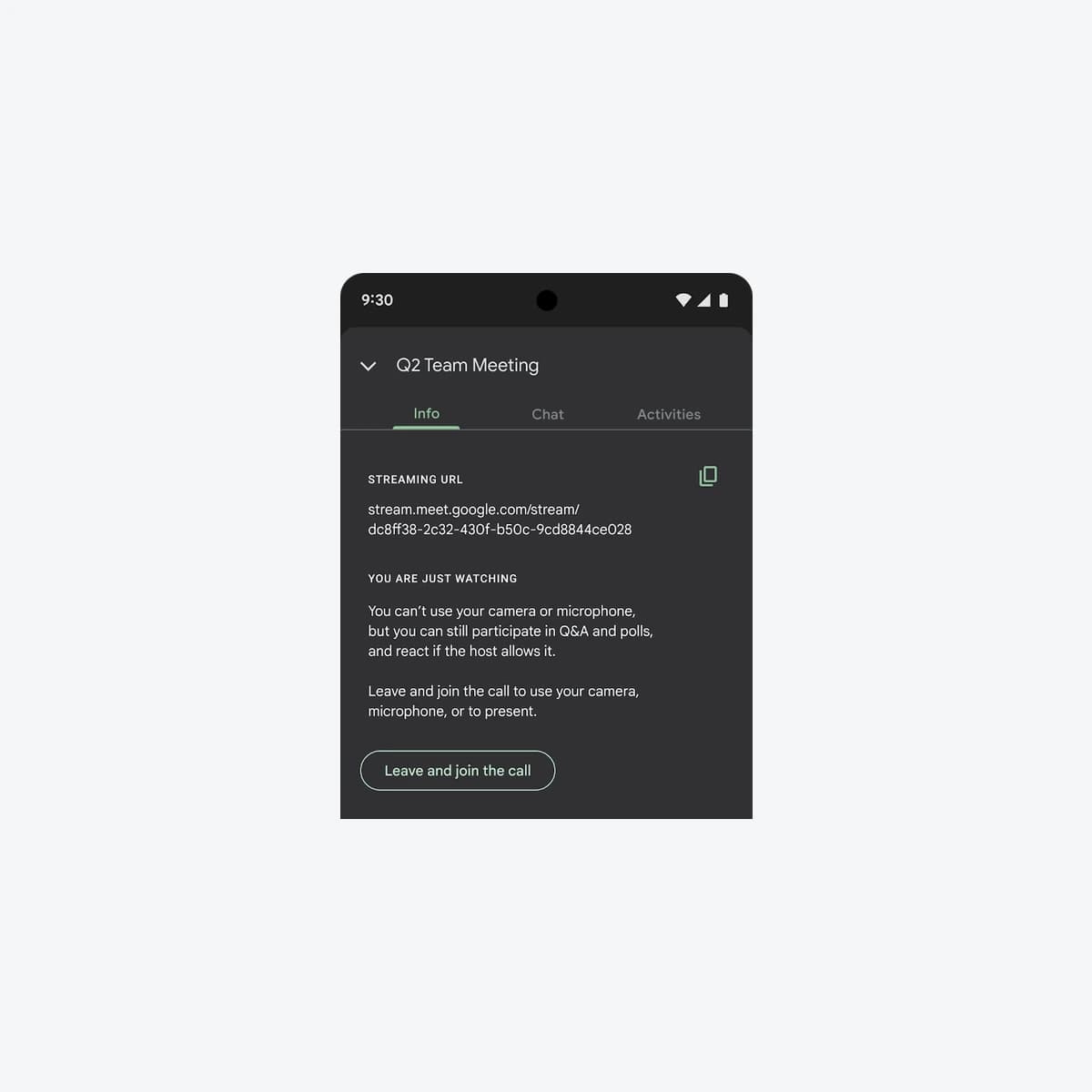
An October 13 announcement schedules Android role switching from October 19. Viewers still need access to the main meeting; the feature does not grant everyone a microphone.
↗︎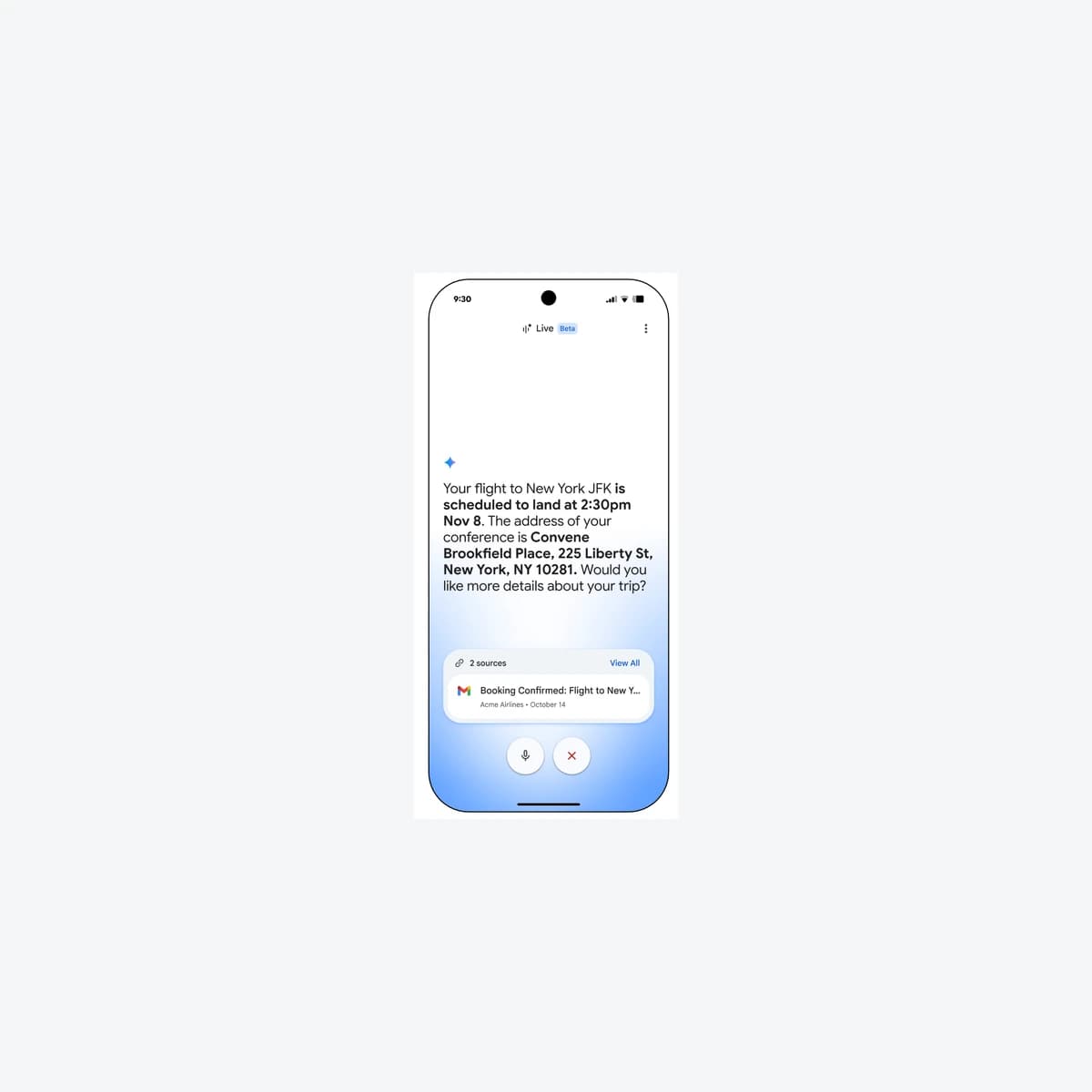
Google’s October 15 announcement expands Gmail Live on Android and iOS to eligible Workspace customers. Source cards support verification; this is not a Vietnamese rollout.
↗︎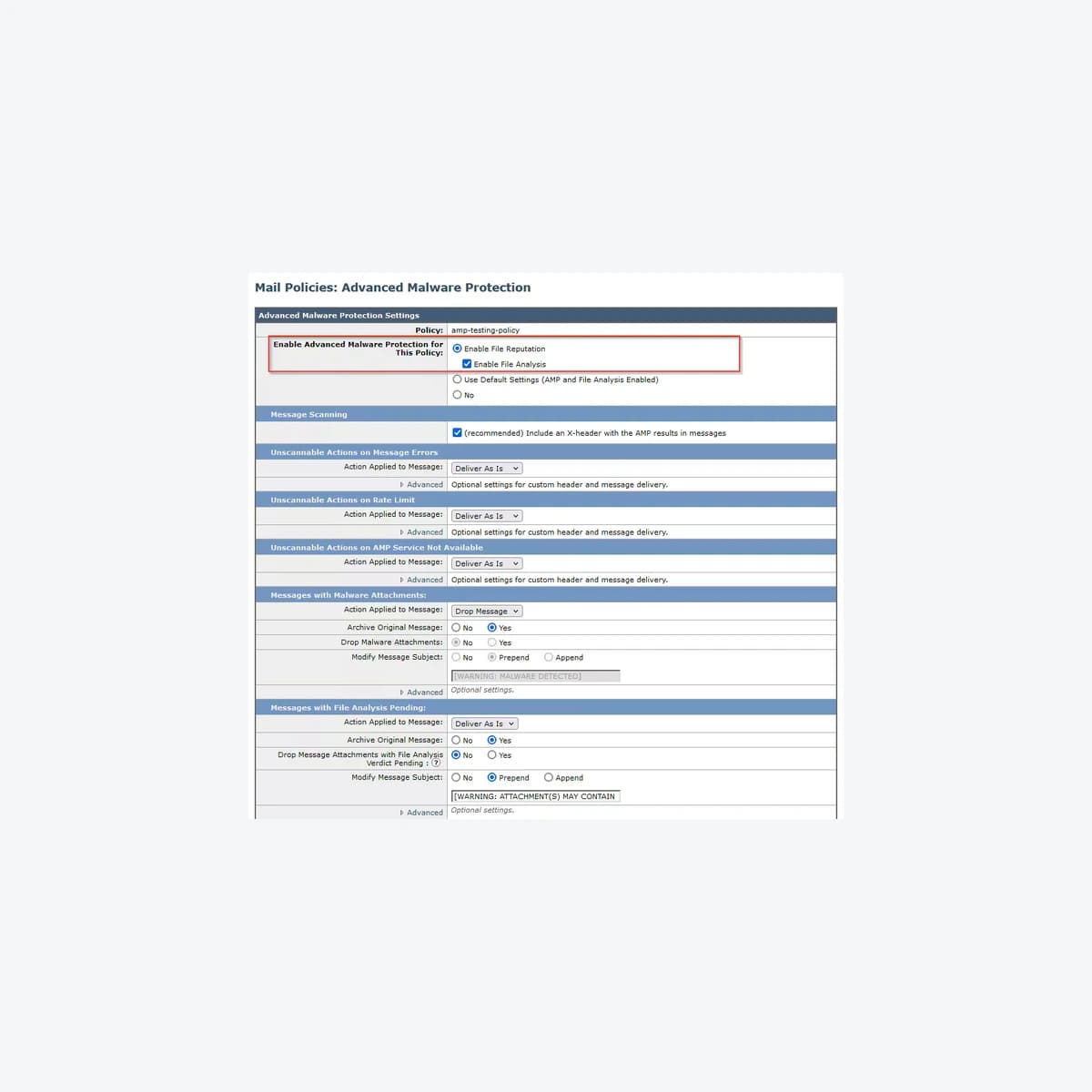
An October 18 NCSA warning highlights Cisco’s October 14 advisory. Administrators should check File Reputation, Content Scanner Tools and potential compromise separately.
↗︎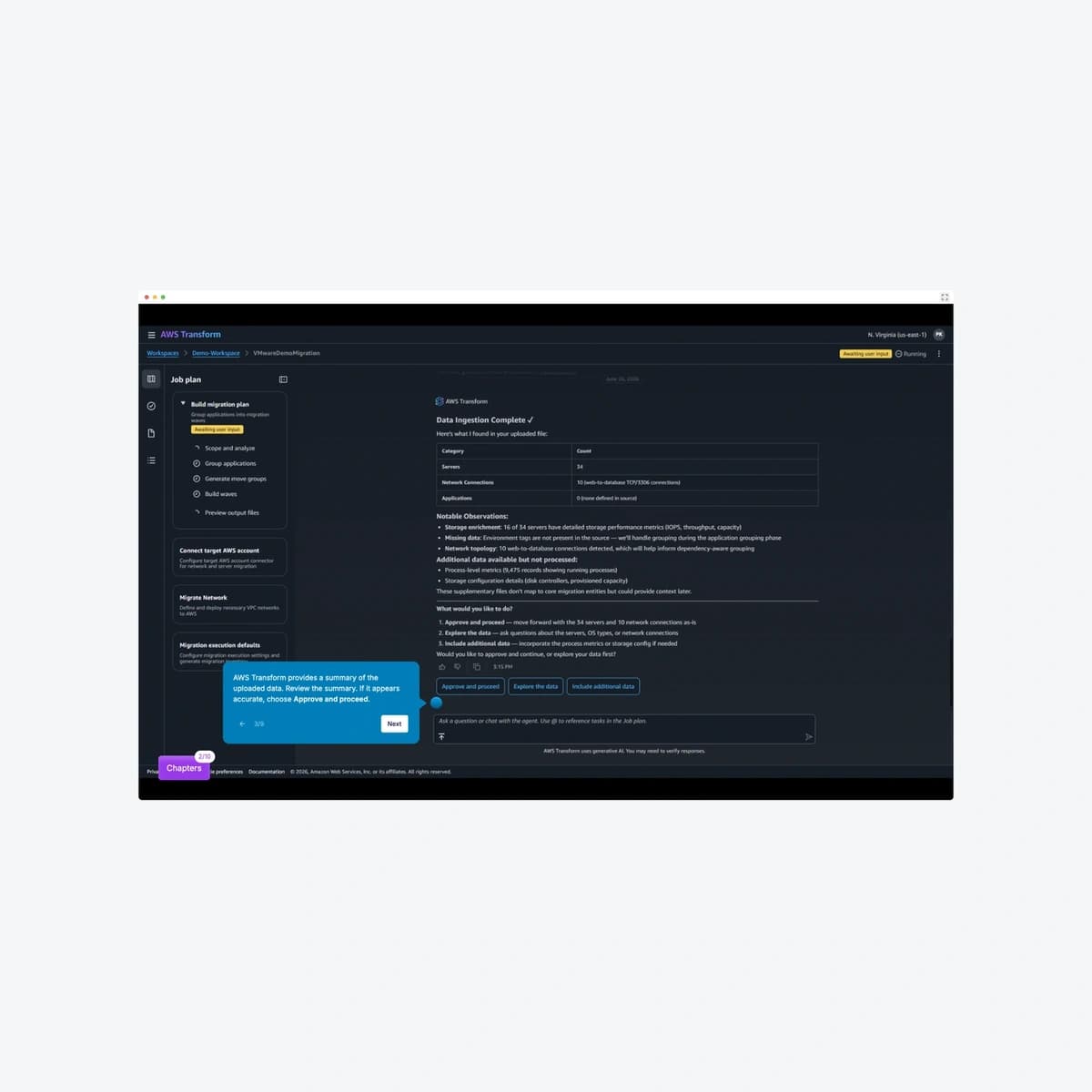
AWS documentation dated October 16 adds Singapore support for VMware agents. Workspace location, request processing and the eventual migration target are separate considerations.
↗︎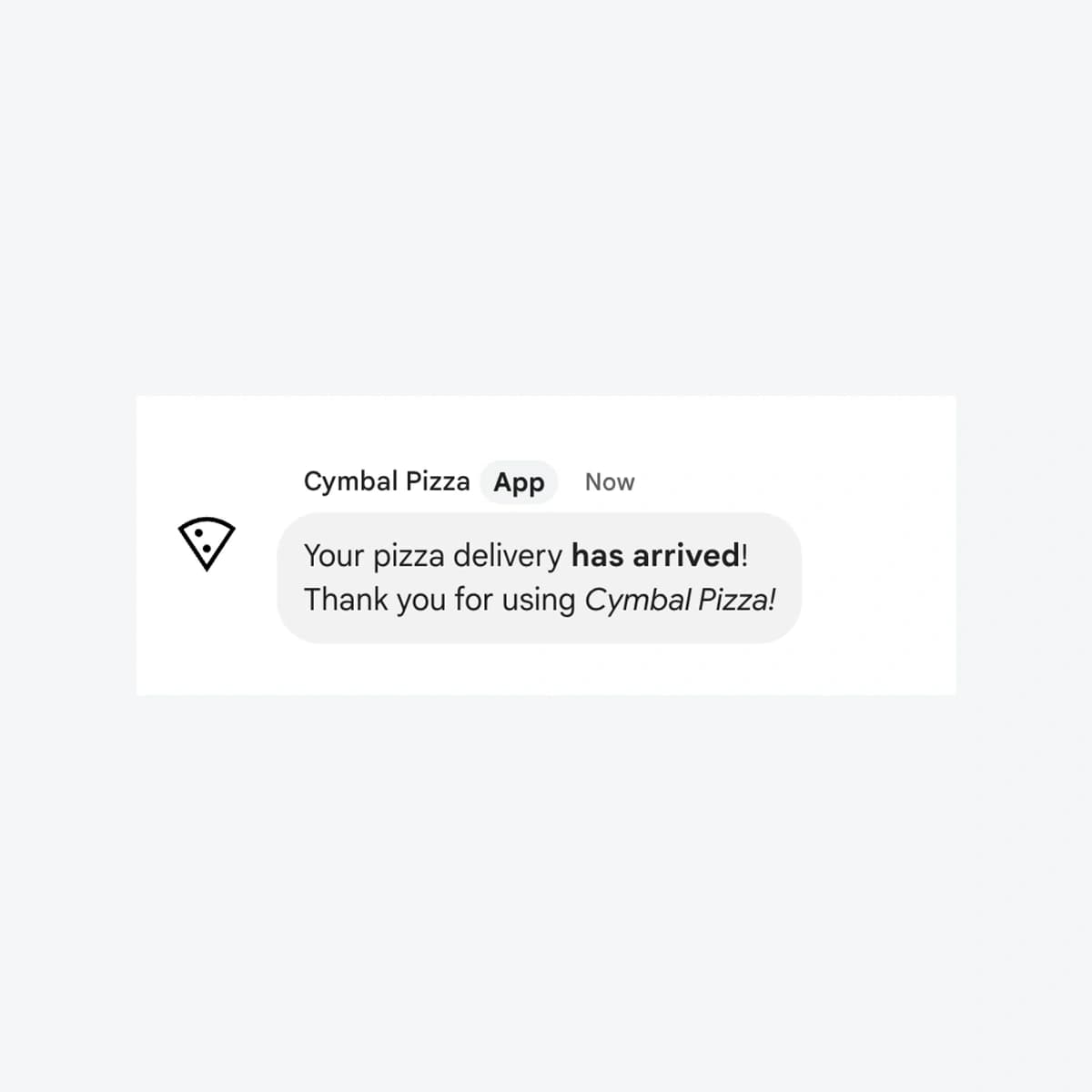
Google’s October 16 update introduces an app-level formatting default and per-request overrides for Chat API messages. Existing apps, new apps and webhooks have different defaults.
↗︎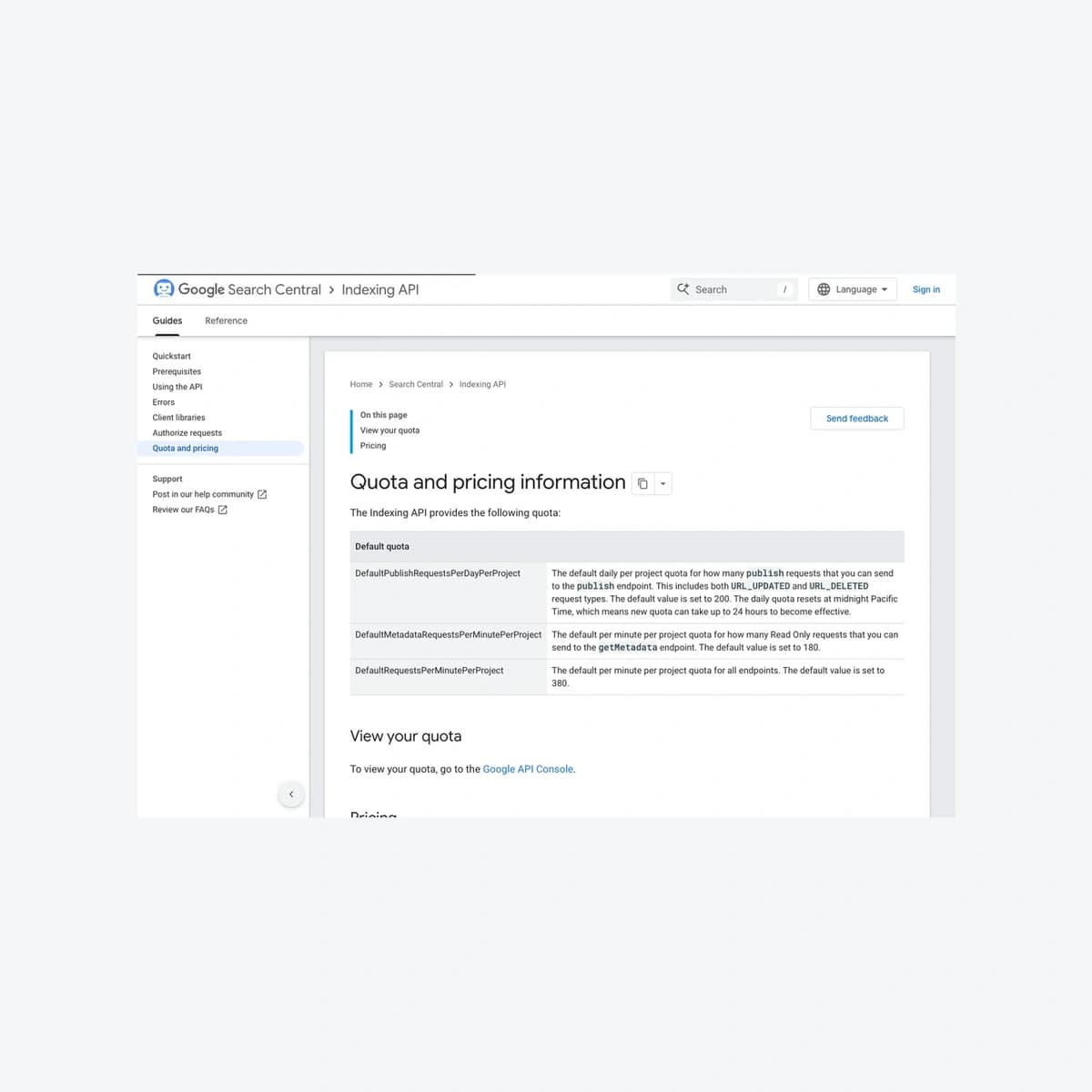
Google Search Central updated Indexing API quota documentation and removed an outdated form on October 16. Supported URL types and actual indexing remain separate questions.
↗︎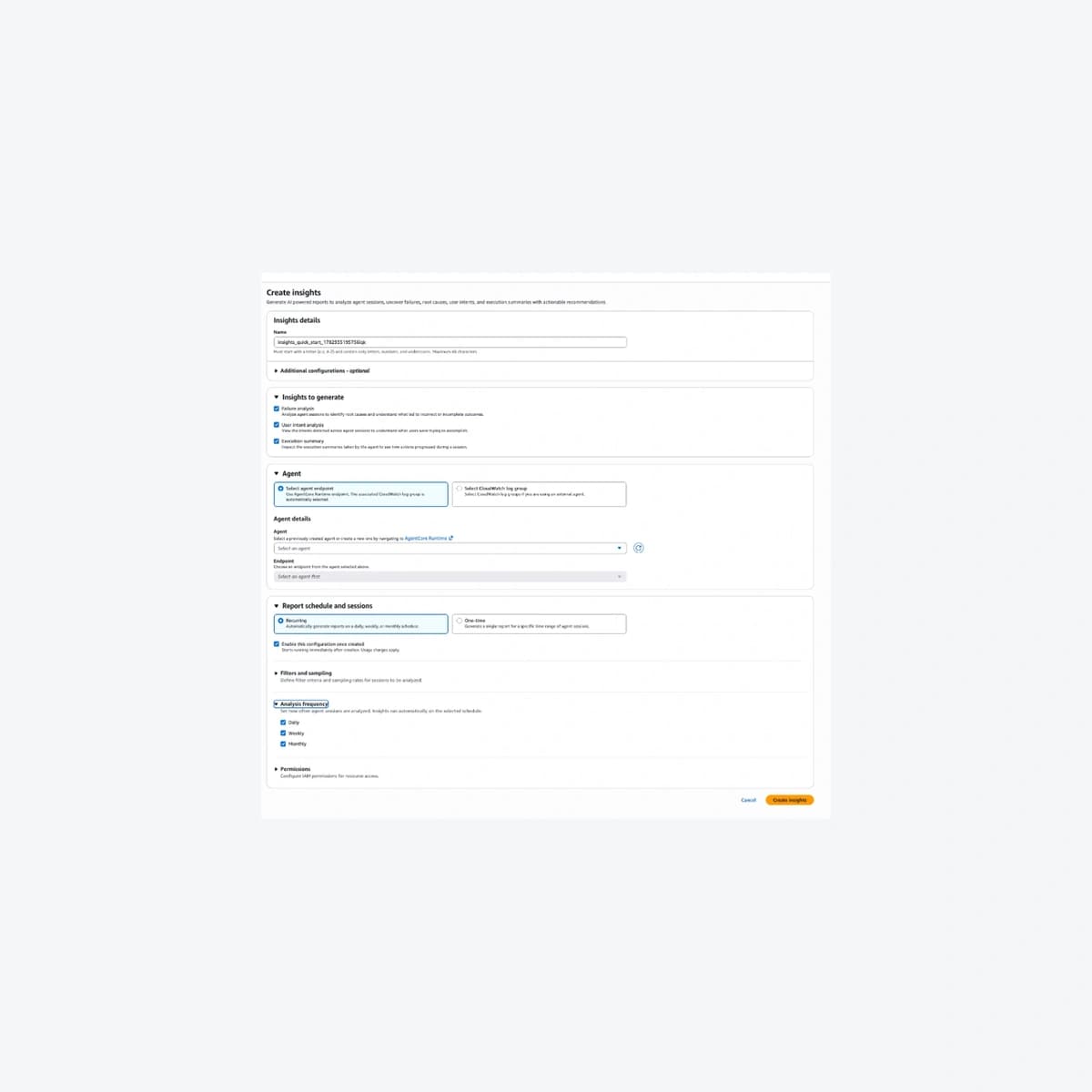
AgentCore Insights stopped accepting new jobs on October 16. Existing recurring jobs continue through October 30 and historical reports remain available. Review monitoring dependencies.
↗︎
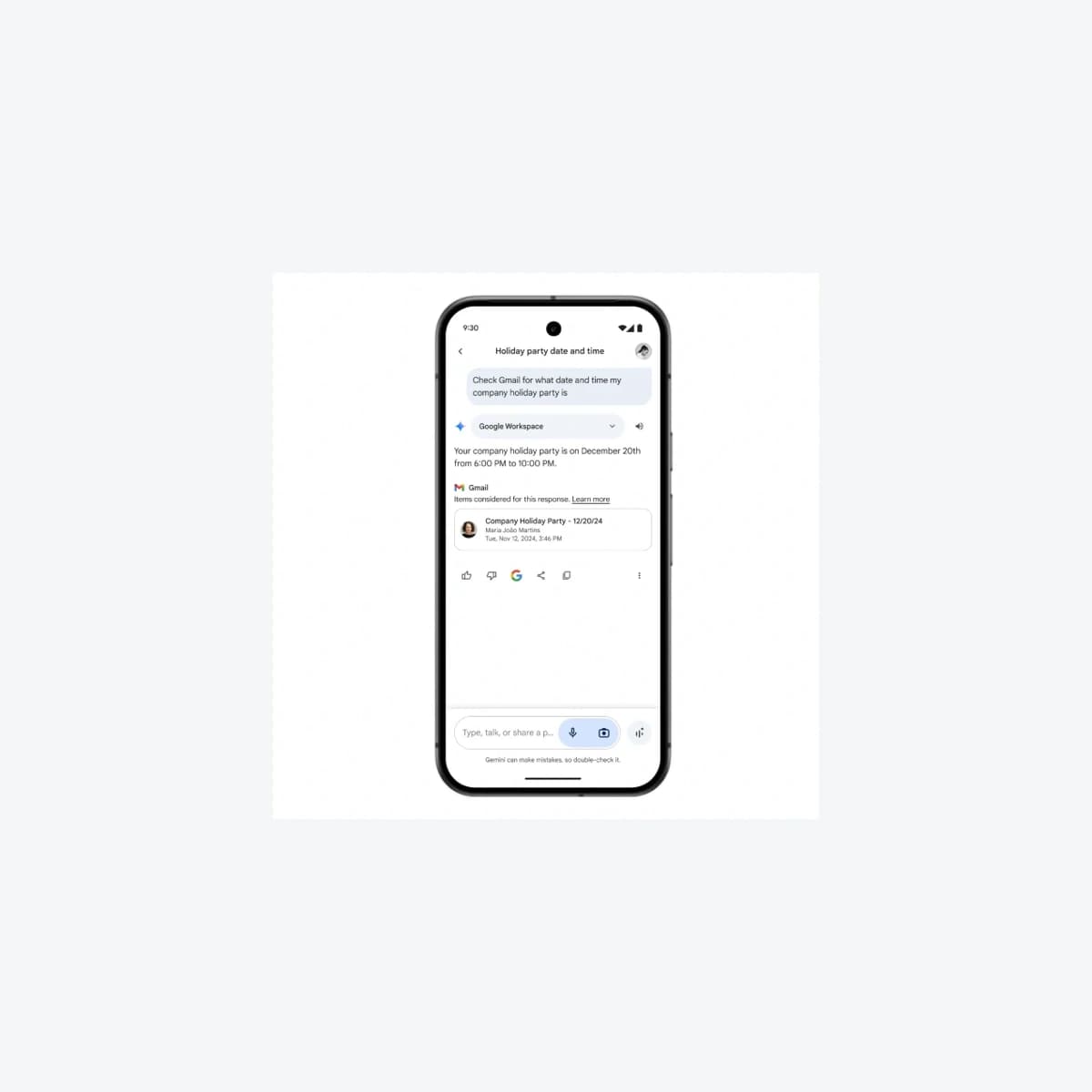
Microsoft released Windows 11 Insider builds for Beta, Experimental and Release Preview on October 16. Windows Hello and gaming changes have distinct preview-channel scopes.
↗︎
An October 16 clarification explains how Workspace data connected to other Google services can be processed and, depending on settings, used for AI training. Account scope matters.
↗︎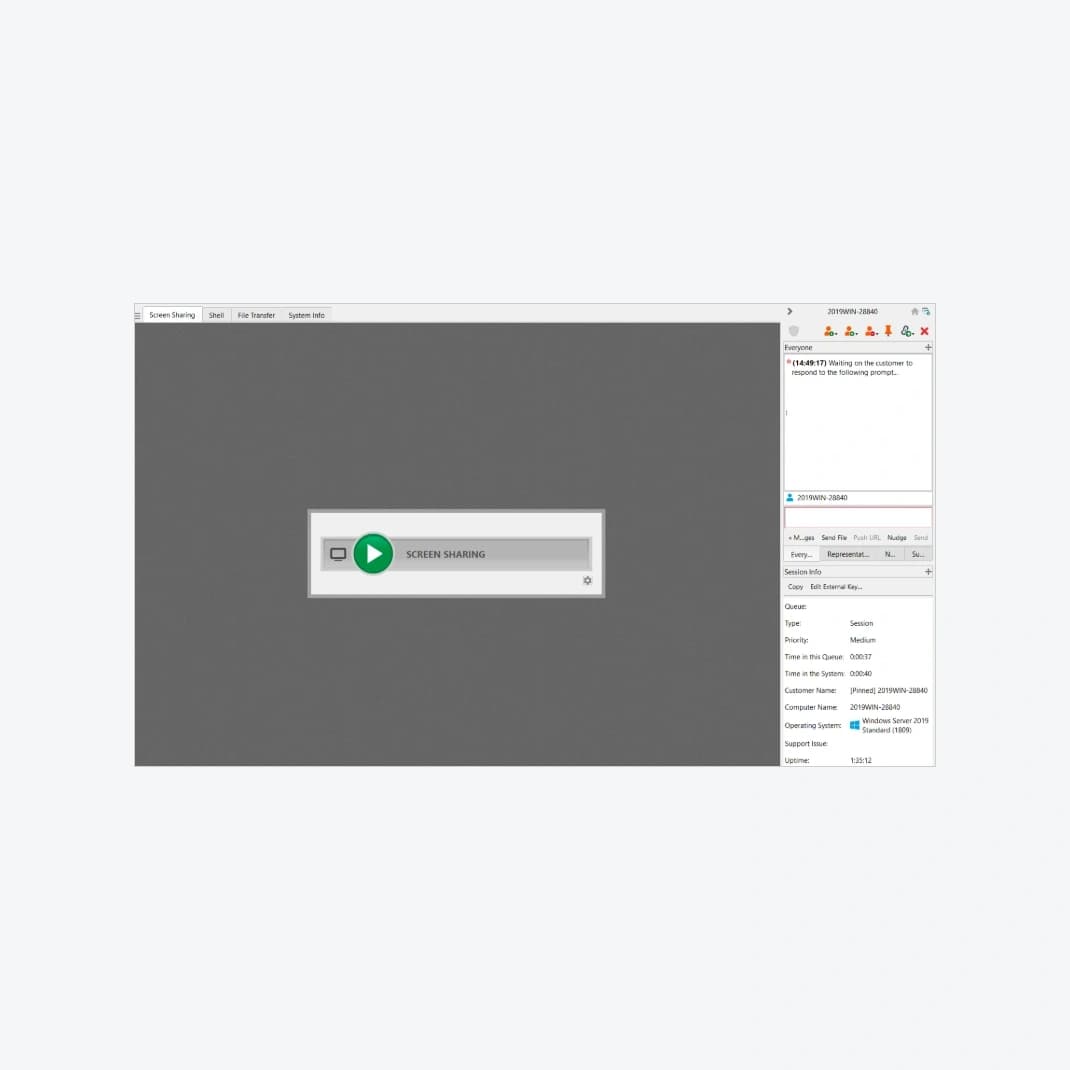
Canada’s October 16 alert calls for action on CVE-2026-102764 in BeyondTrust Remote Support. Self-hosted deployments need a specific patch and separate intrusion review.
↗︎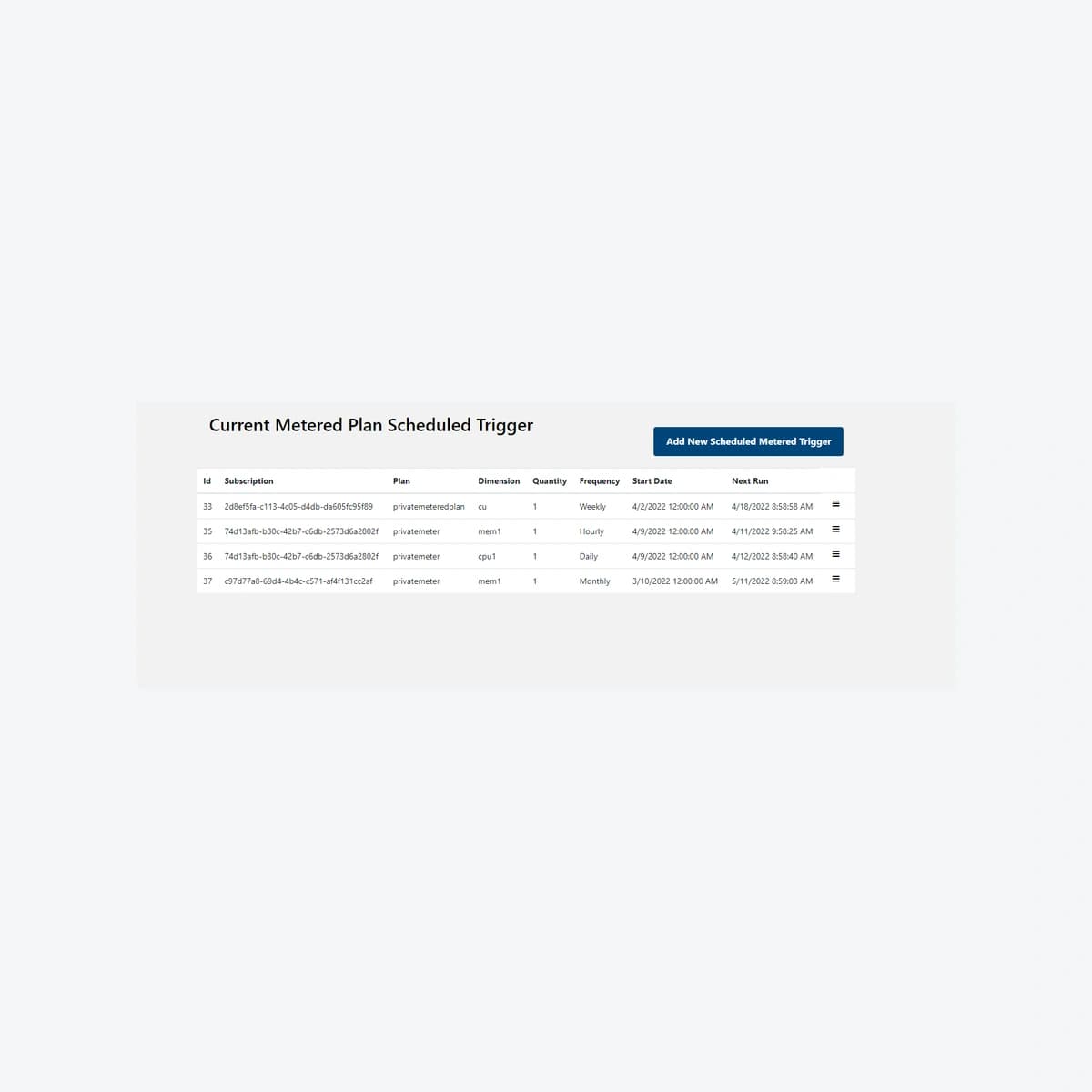
Microsoft’s October 15 announcement introduces coding-agent guidance and a modernized SaaS Accelerator. Reference code still requires security review and testing.
↗︎
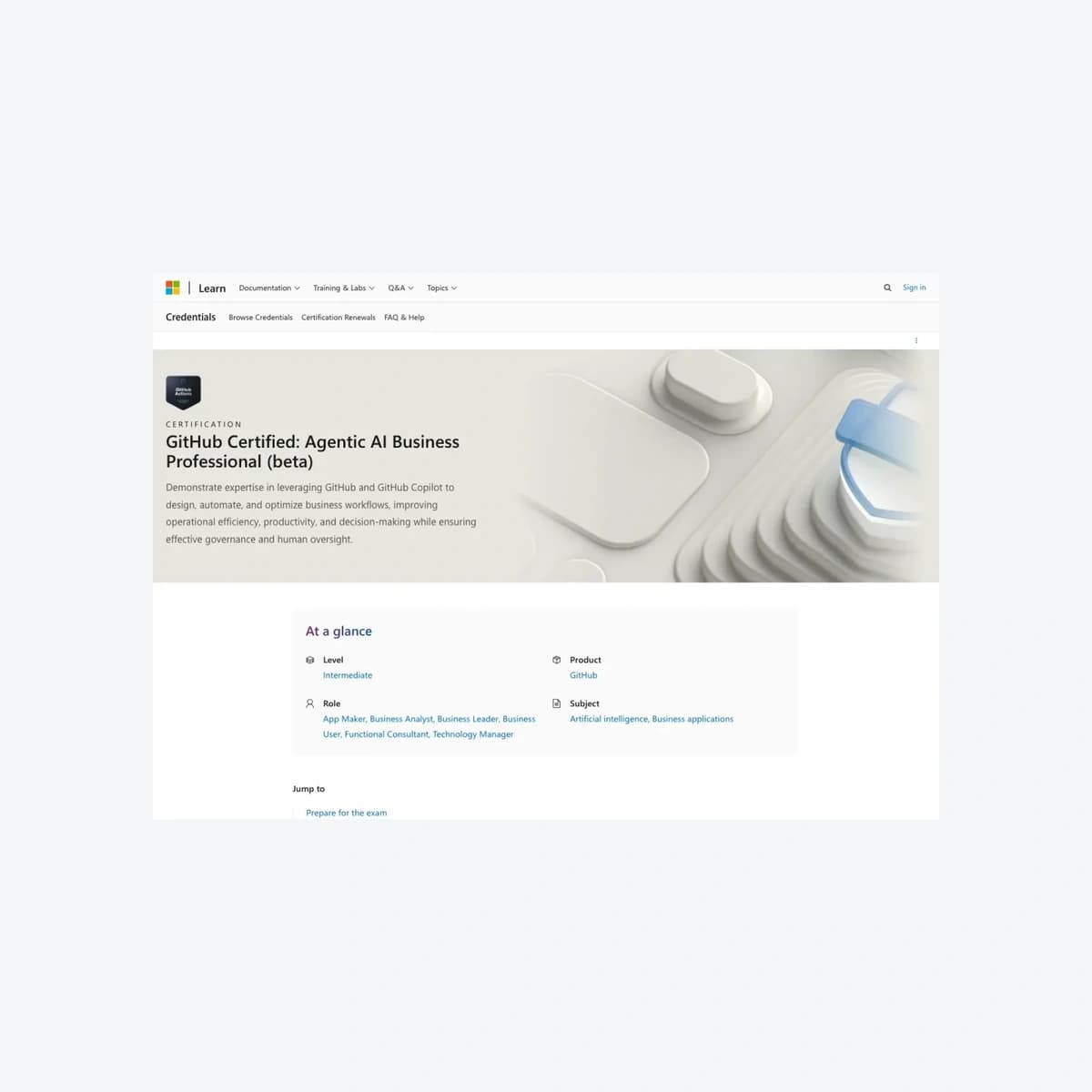
Universal Cart began its US rollout on October 15, combining saved products, price tracking and checkout. Availability and merchant integration remain separate questions.
↗︎
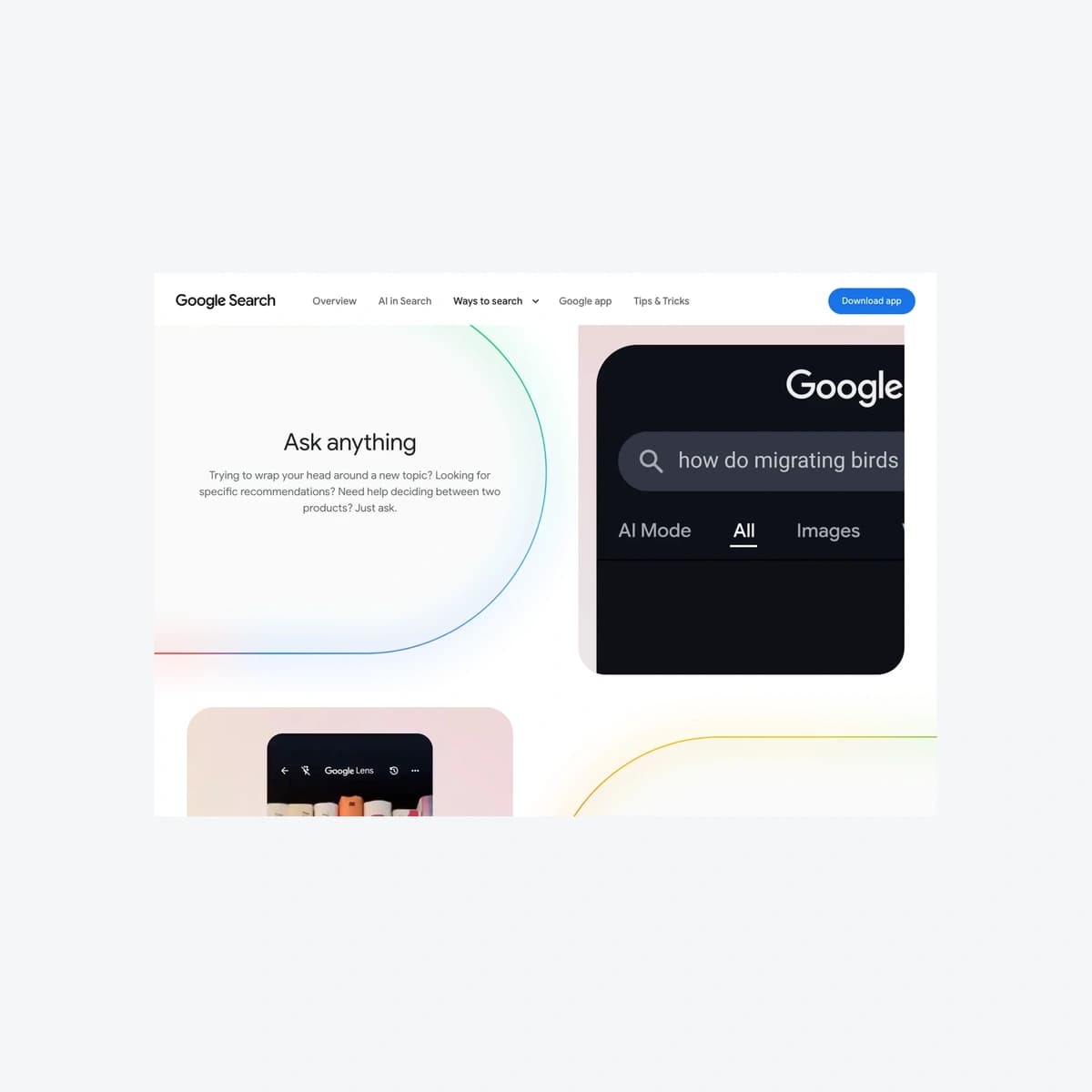
The October 15 announcement introduces GitHub Certified: Agentic AI Business Professional and the beta GH-700 exam, covering workflows and human oversight.
↗︎
Google’s October 15 update adds source links, source context and news presentation in AI Search. It is an interface change, not a traffic guarantee.
↗︎
Google’s October 15 update connects modular design, diagnostics and repair access. Availability remains market-specific, including for buyers in Vietnam.
↗︎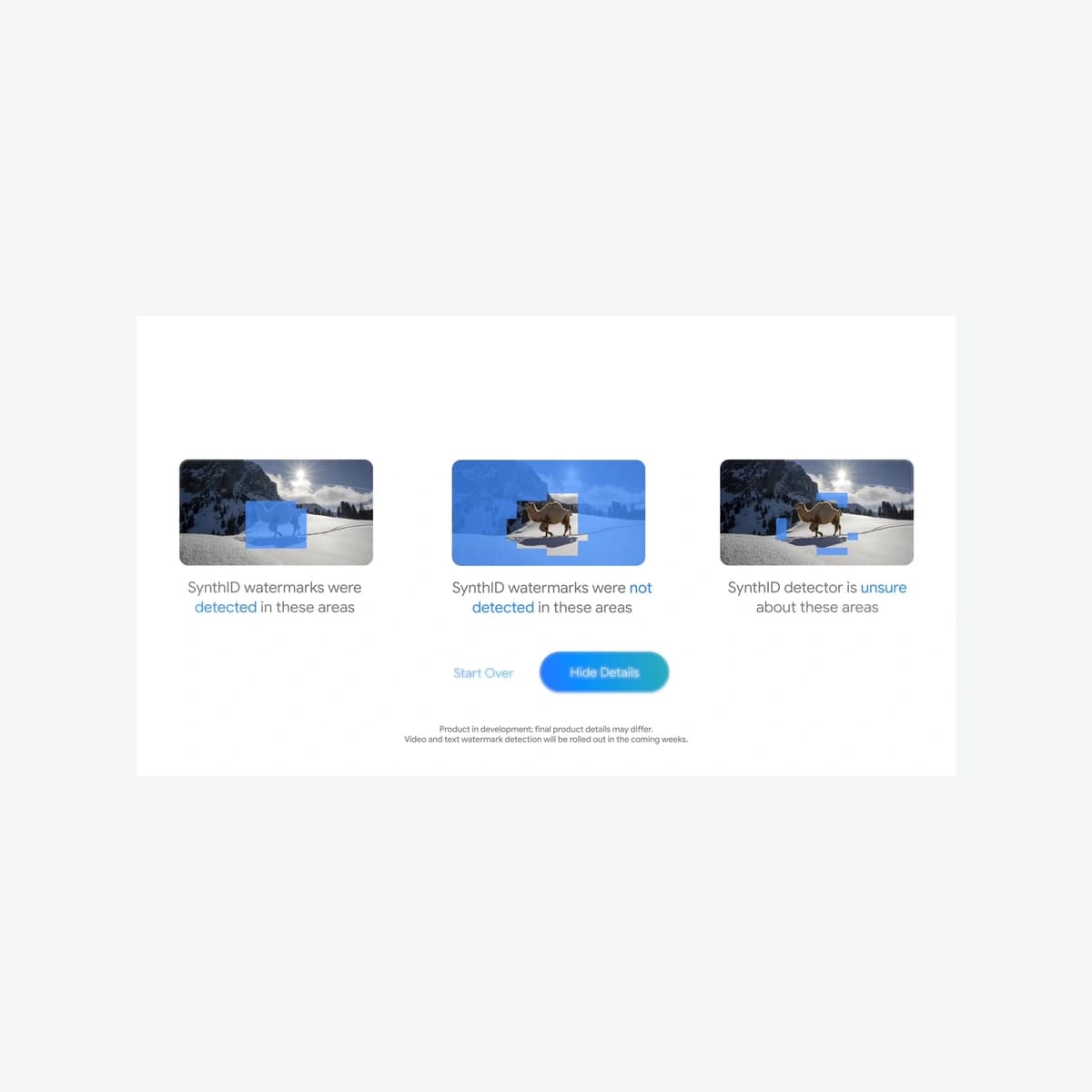
Google announced TIME’s recognition of SynthID on October 15. Watermark checks support editorial verification but do not establish whether a claim is true.
↗︎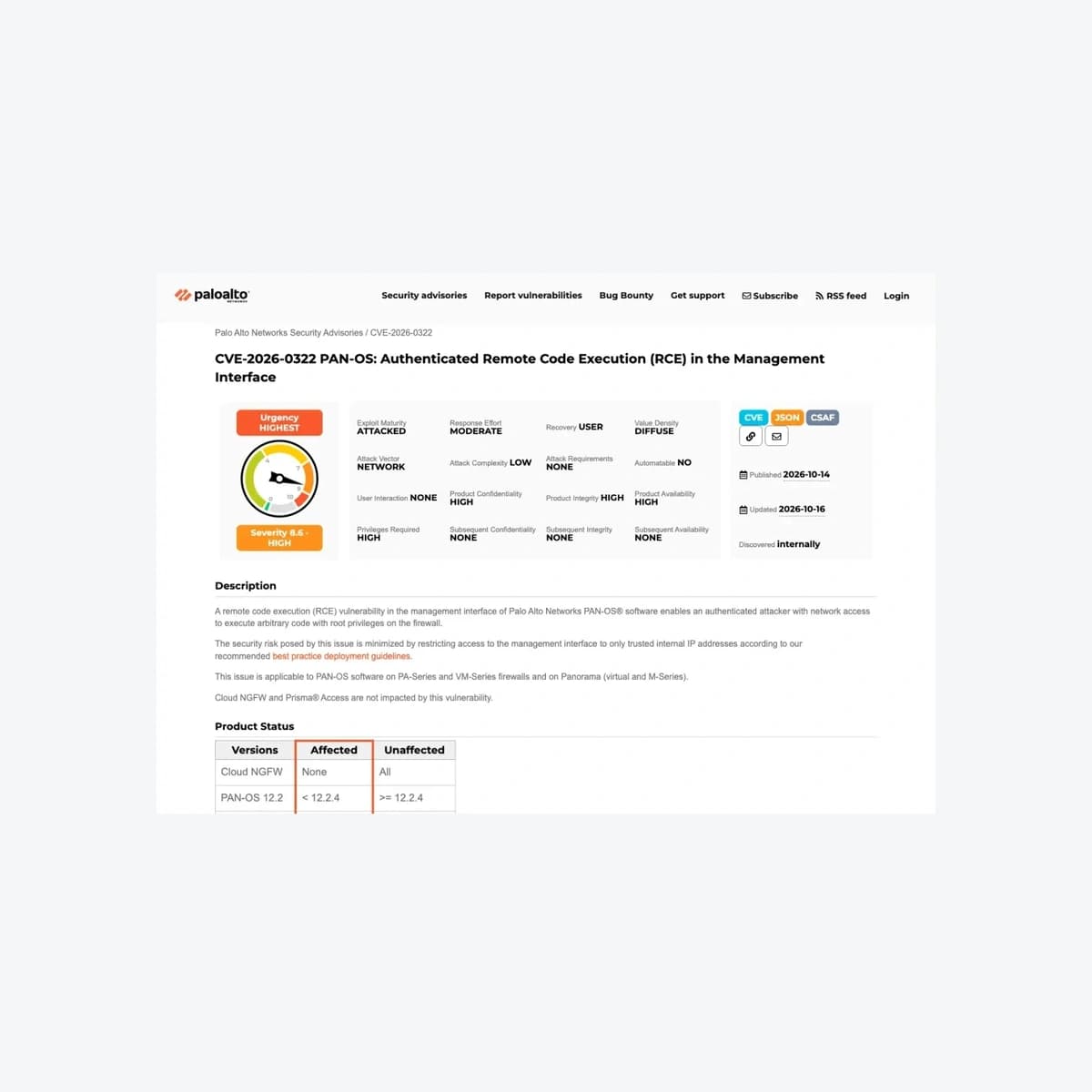
Palo Alto Networks disclosed CVE-2026-0322 on October 14 with limited exploitation observed. Administrative credentials and management-interface access are required.
↗︎
Turn vague web app requirements into acceptance cases for permissions, data migration, integrations, operations and change approval.
↗︎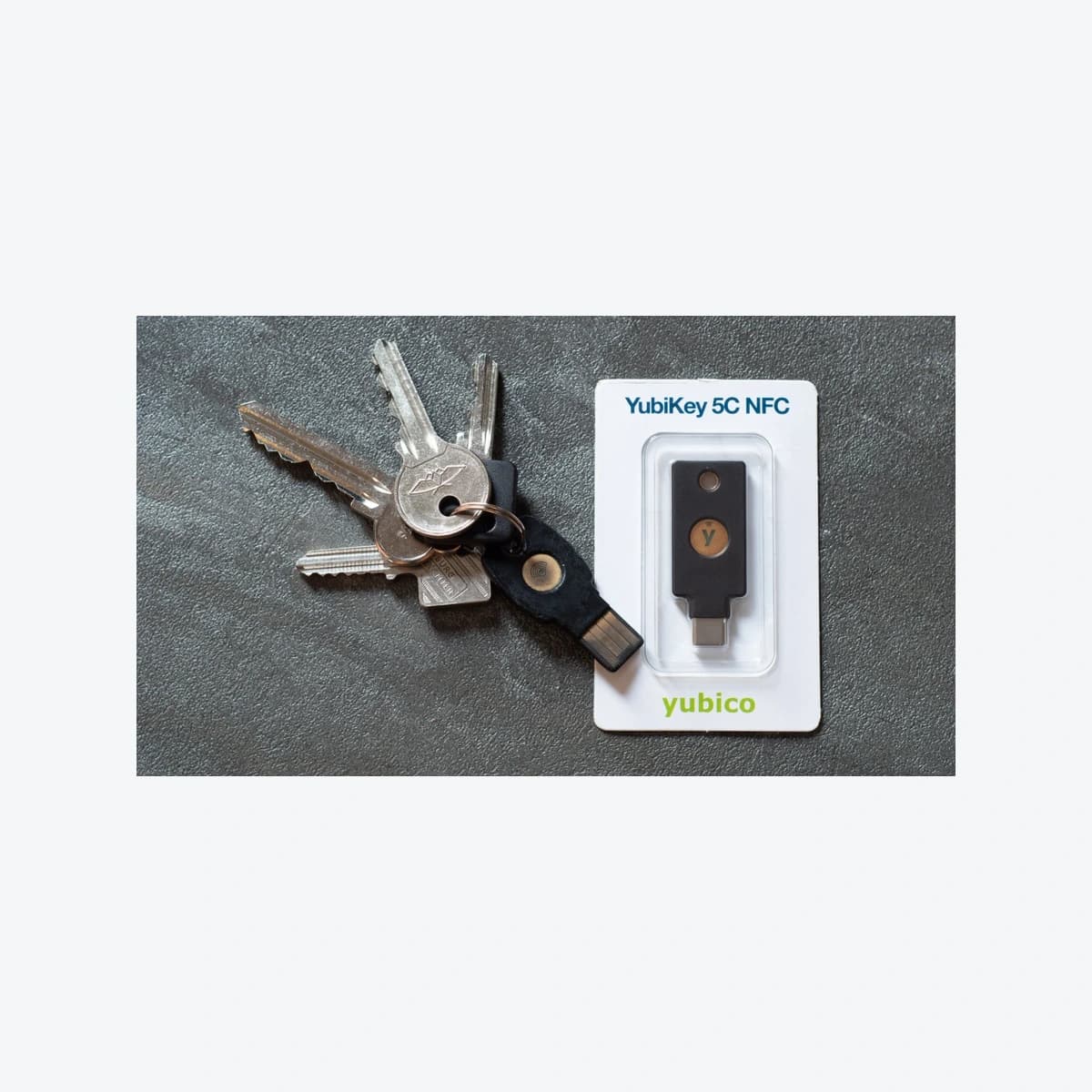
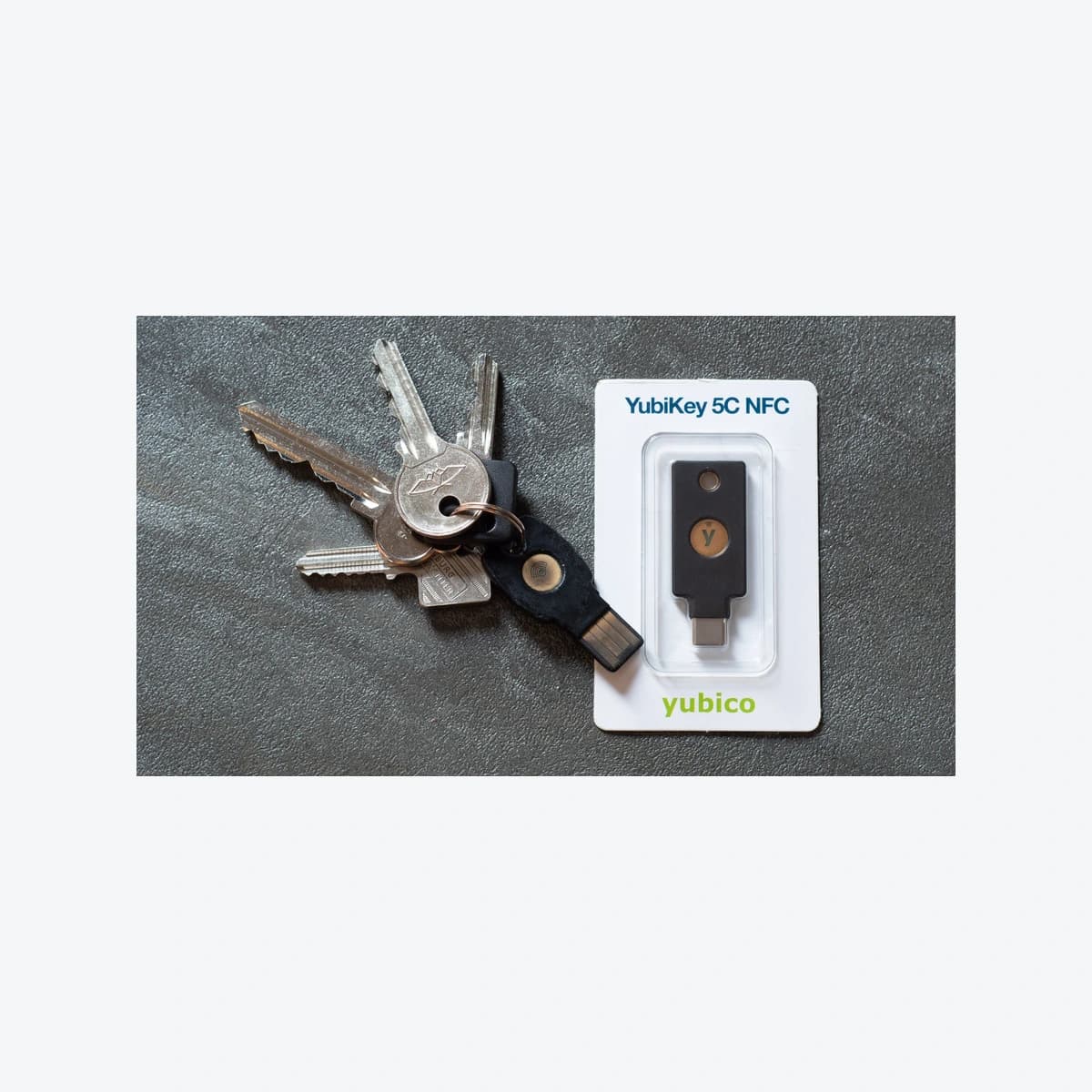
Hardware security keys need a recovery, revocation and handover plan. Test these scenarios before issuing keys across a team.
↗︎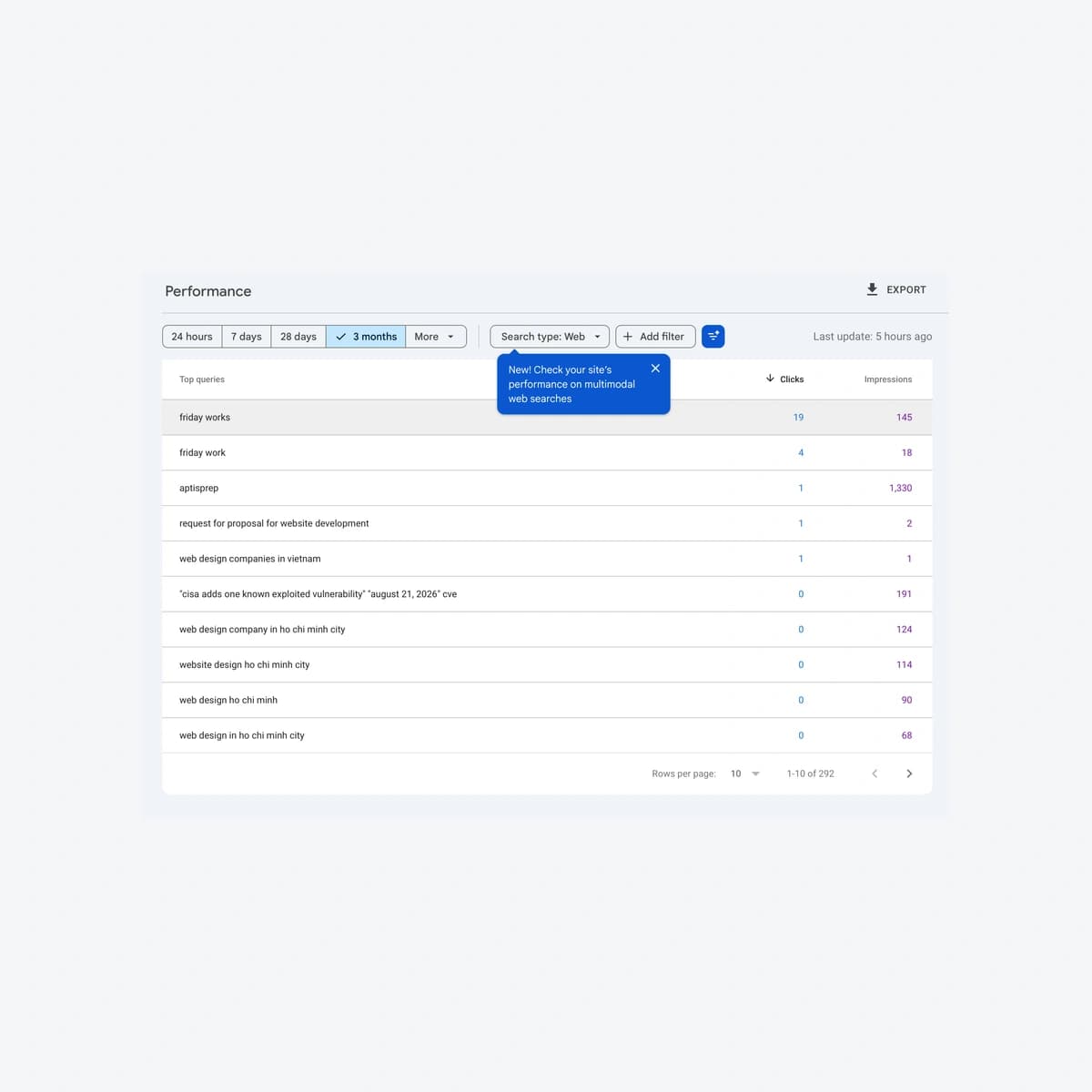
Separate queries, landing pages, locales and devices to diagnose low CTR and prioritize useful title, content and service-path changes.
↗︎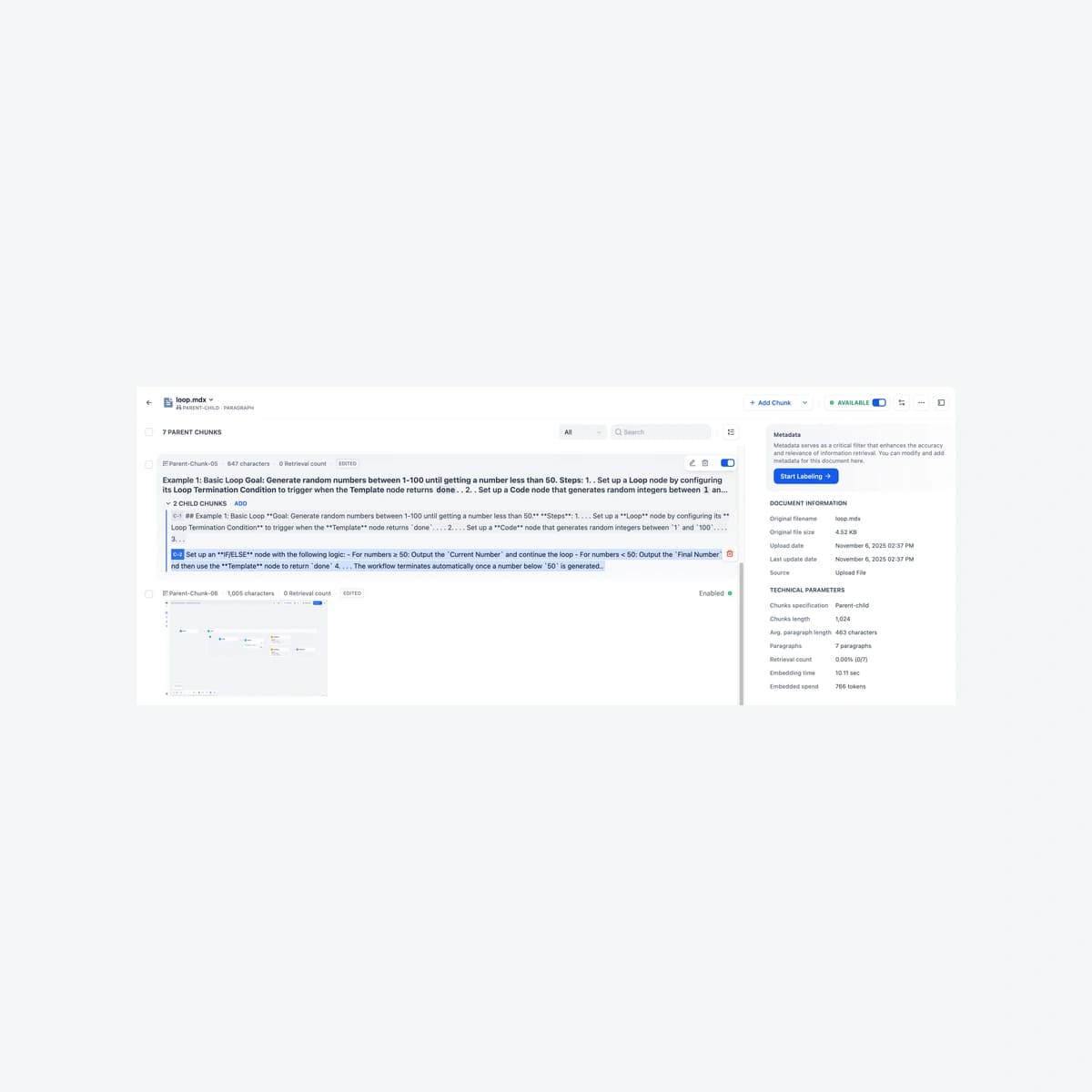
An acceptance checklist for RAG chatbots covering roles, revoked documents and citations, with evidence a business owner can review.
↗︎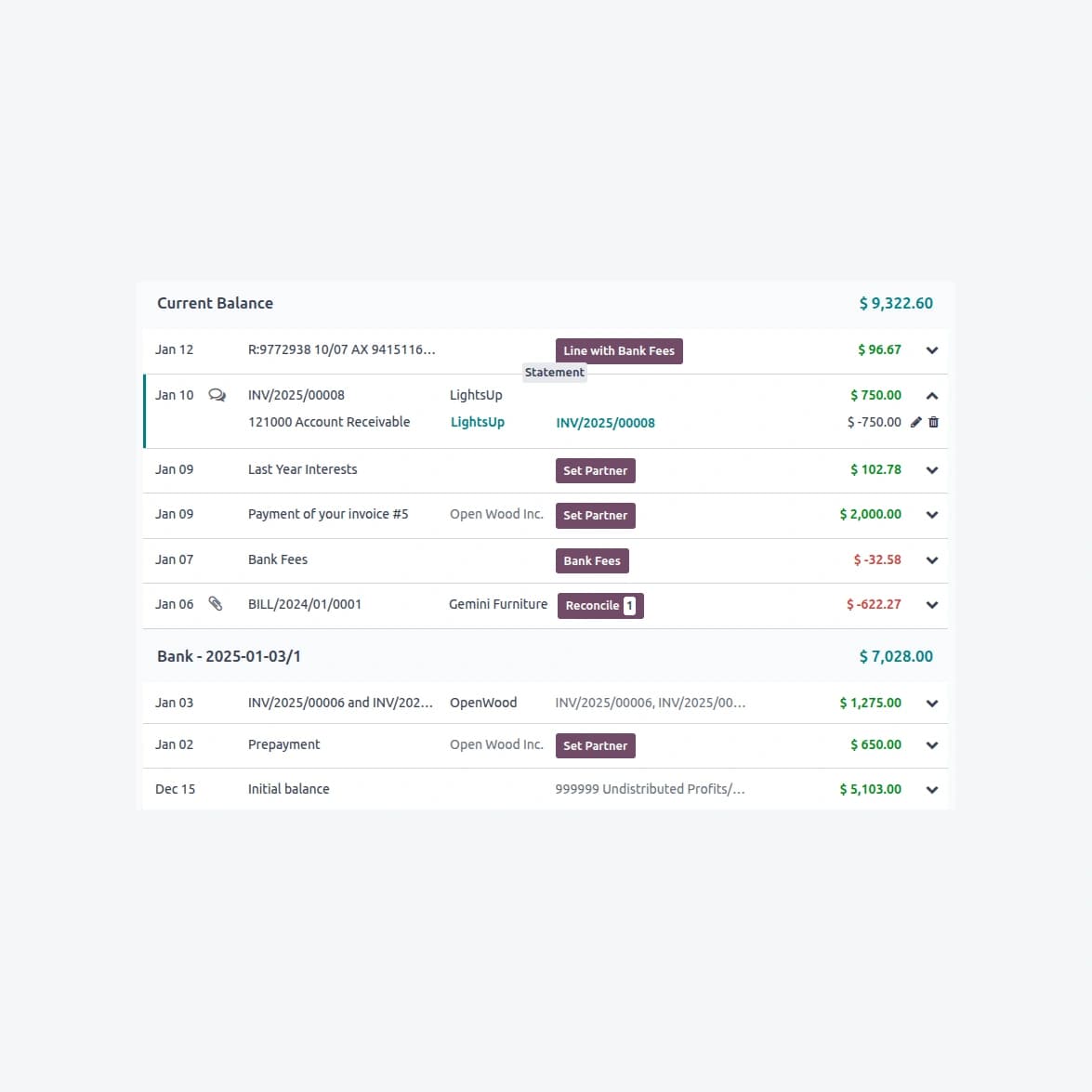
Payment notifications may be retried. Deduplication, source verification and reconciliation prevent one transaction from creating multiple accounting records.
↗︎
Anthropic’s October 9 report highlights risks from tool access and Internet-connected evaluations. Businesses should enforce permissions where actions execute.
↗︎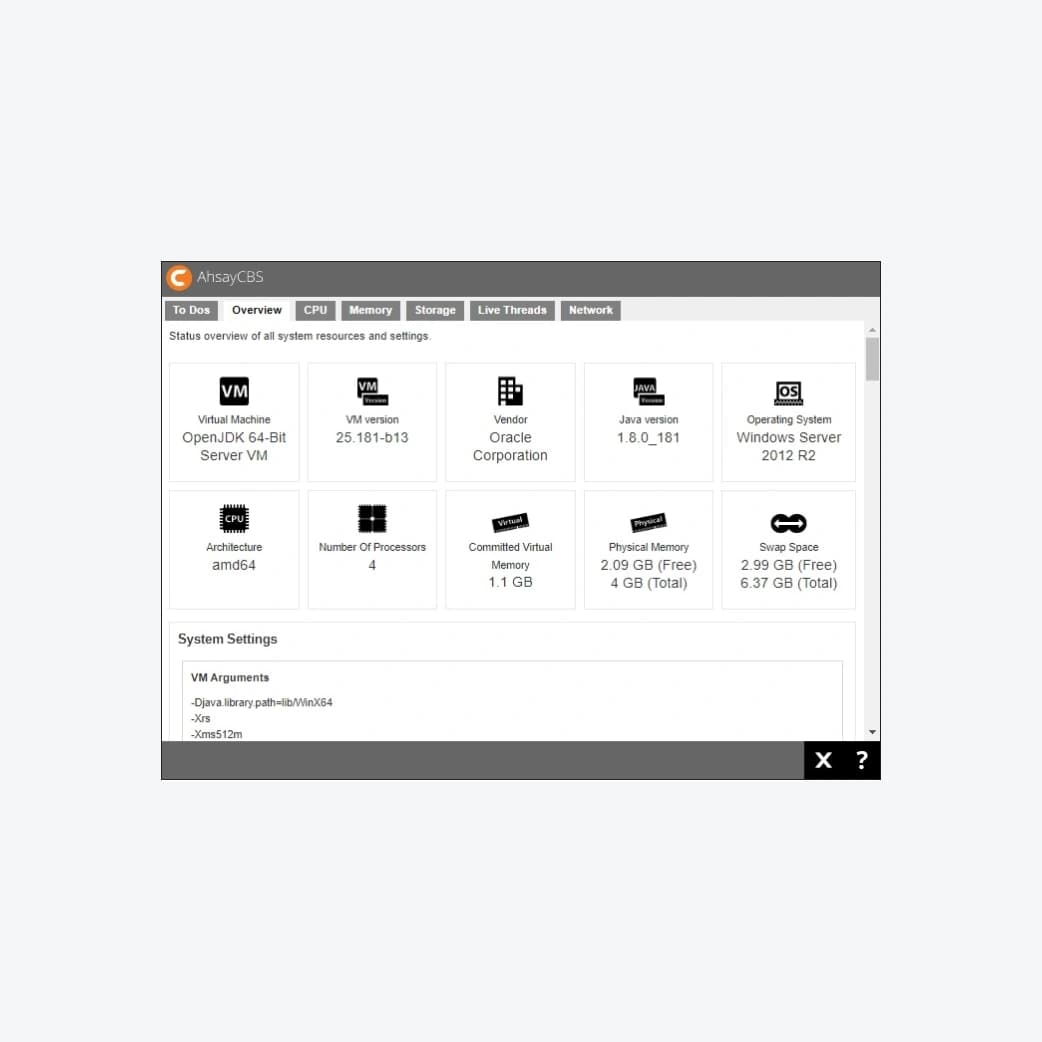
Ahsay says earlier patches did not fully address CVE-2026-105133 and CVE-2026-105134. Verify the new hotfix and investigate compromise separately.
↗︎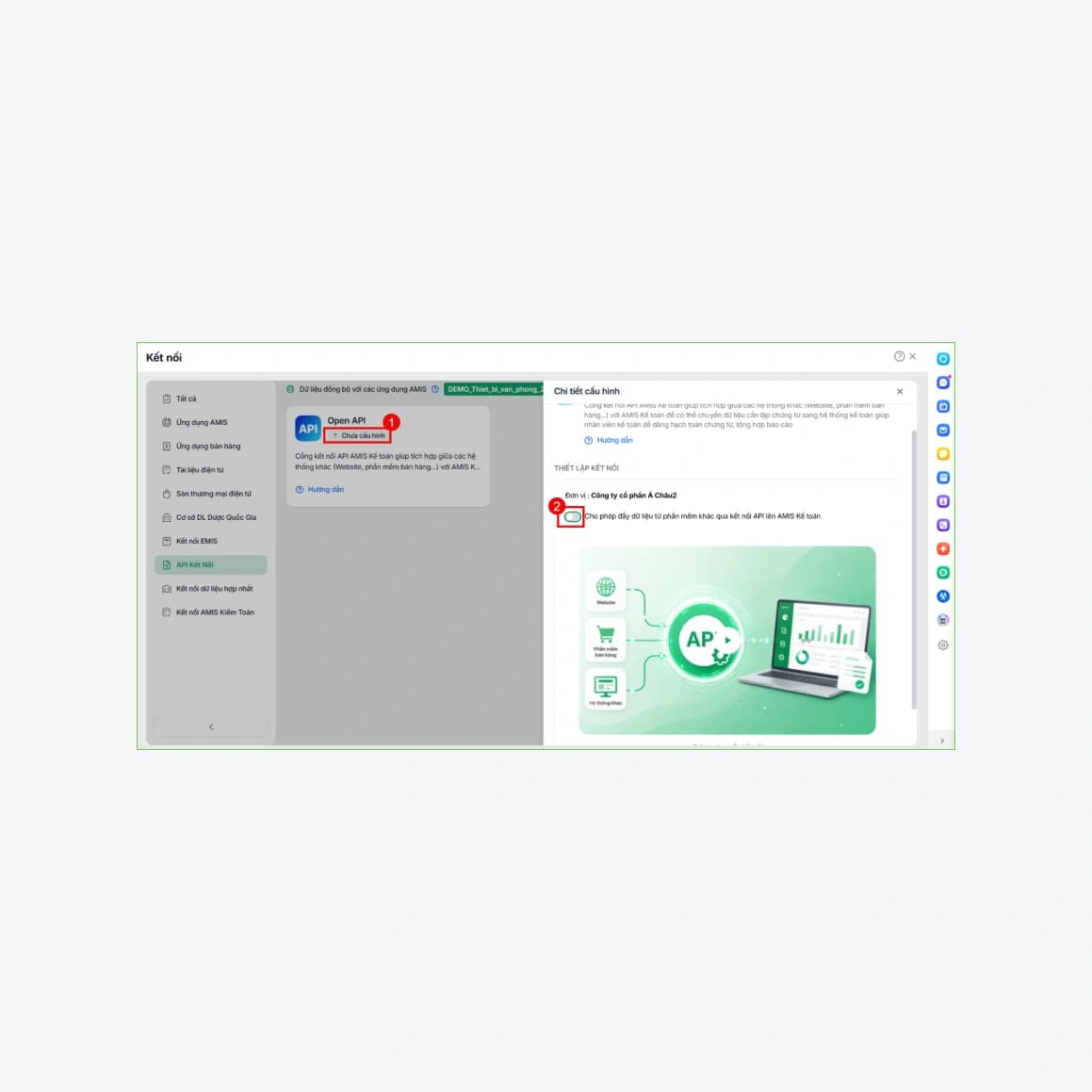
Plan MISA AMIS Accounting integration around granted access, agreed data mappings, exception handling and accounting-approved acceptance tests.
↗︎
A website that creates enquiries does not need to say everything. It needs to clarify what the business does, who it helps, the proof and the next step.
↗︎
Laptops, phones and appliances all carry AI labels. Before paying more, check what the feature does, where it runs and whether it fits your work.
↗︎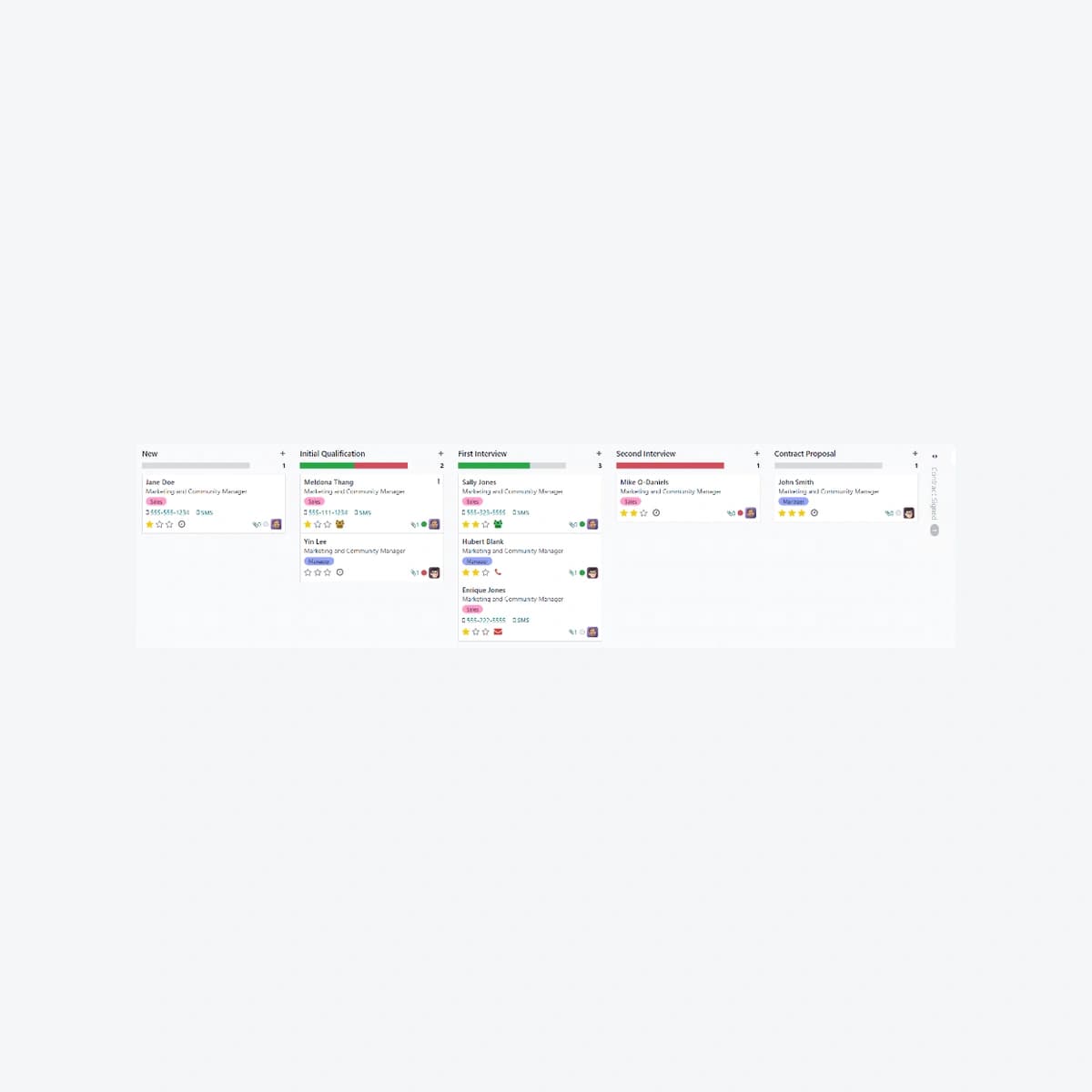
Software does not repair a messy process by itself. These four questions clarify work, exceptions and data before buying or building a system.
↗︎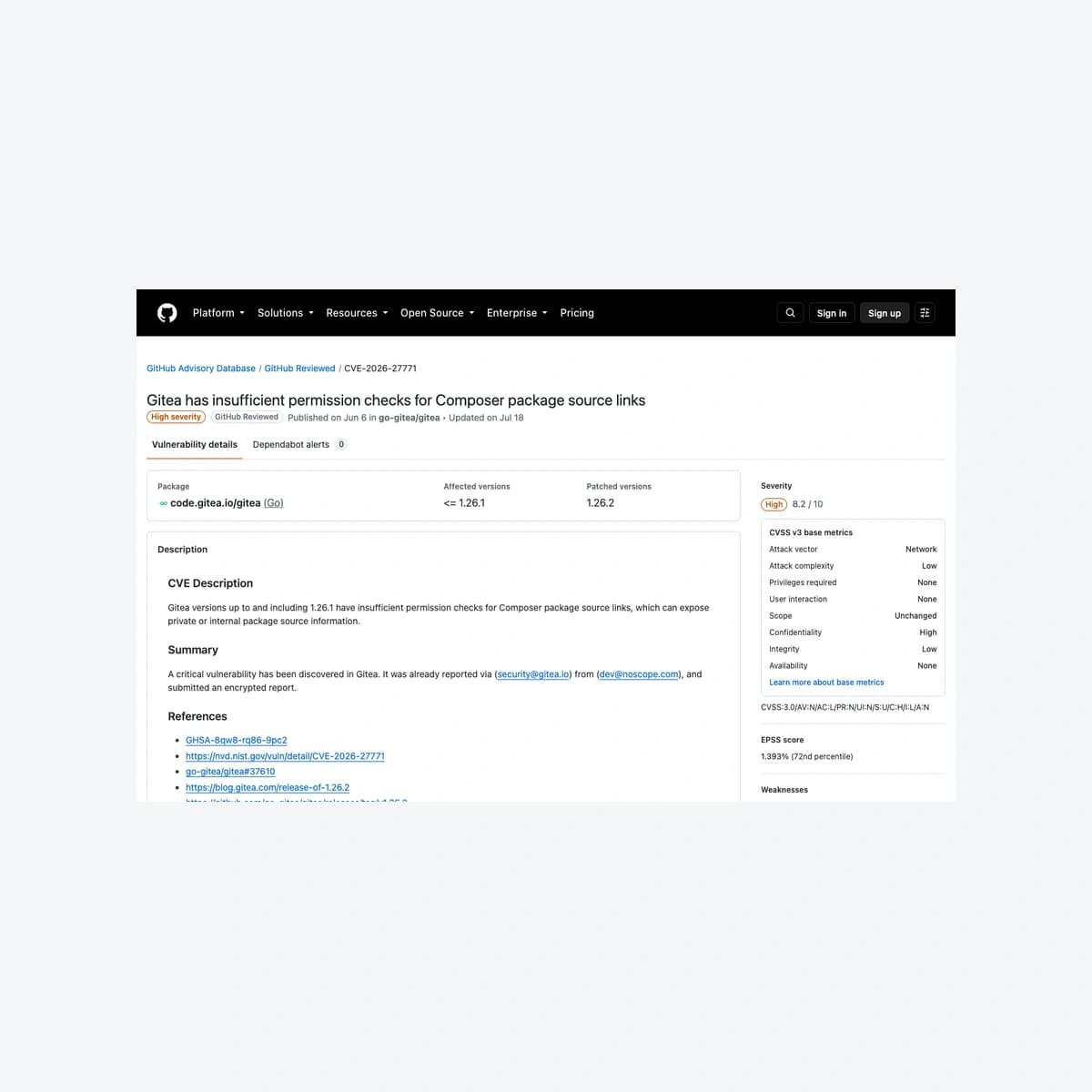
A public record of how Friday Works records scope, validates evidence, stops at the right boundary and publishes safe lessons from security research.
↗︎
As phishing emails become more polished, telling employees to be careful is not enough. Businesses need to protect mailboxes, accounts and verification steps.
↗︎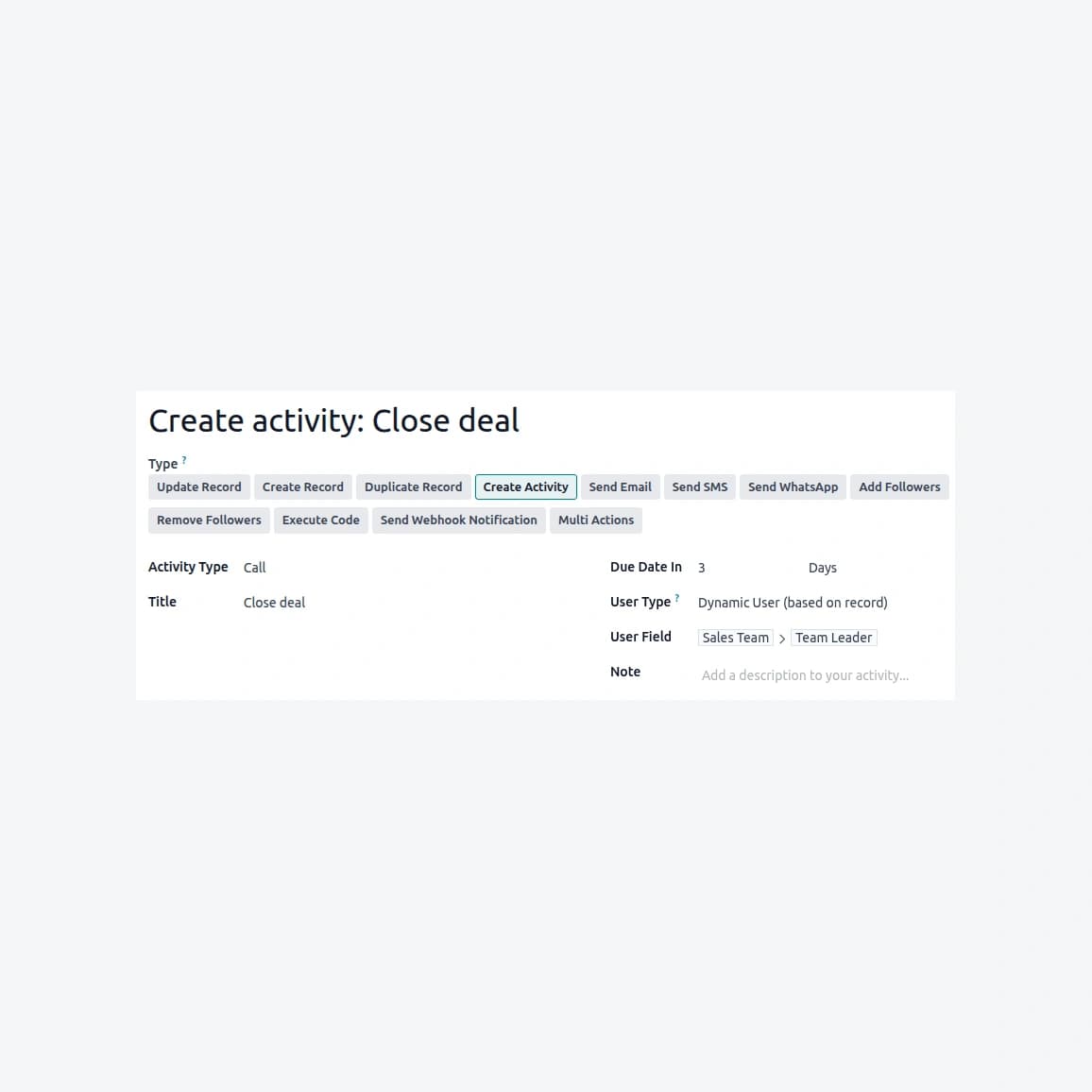
Do not automate an entire company at once. Start with a repeated, rule-based job that costs the team time.
↗︎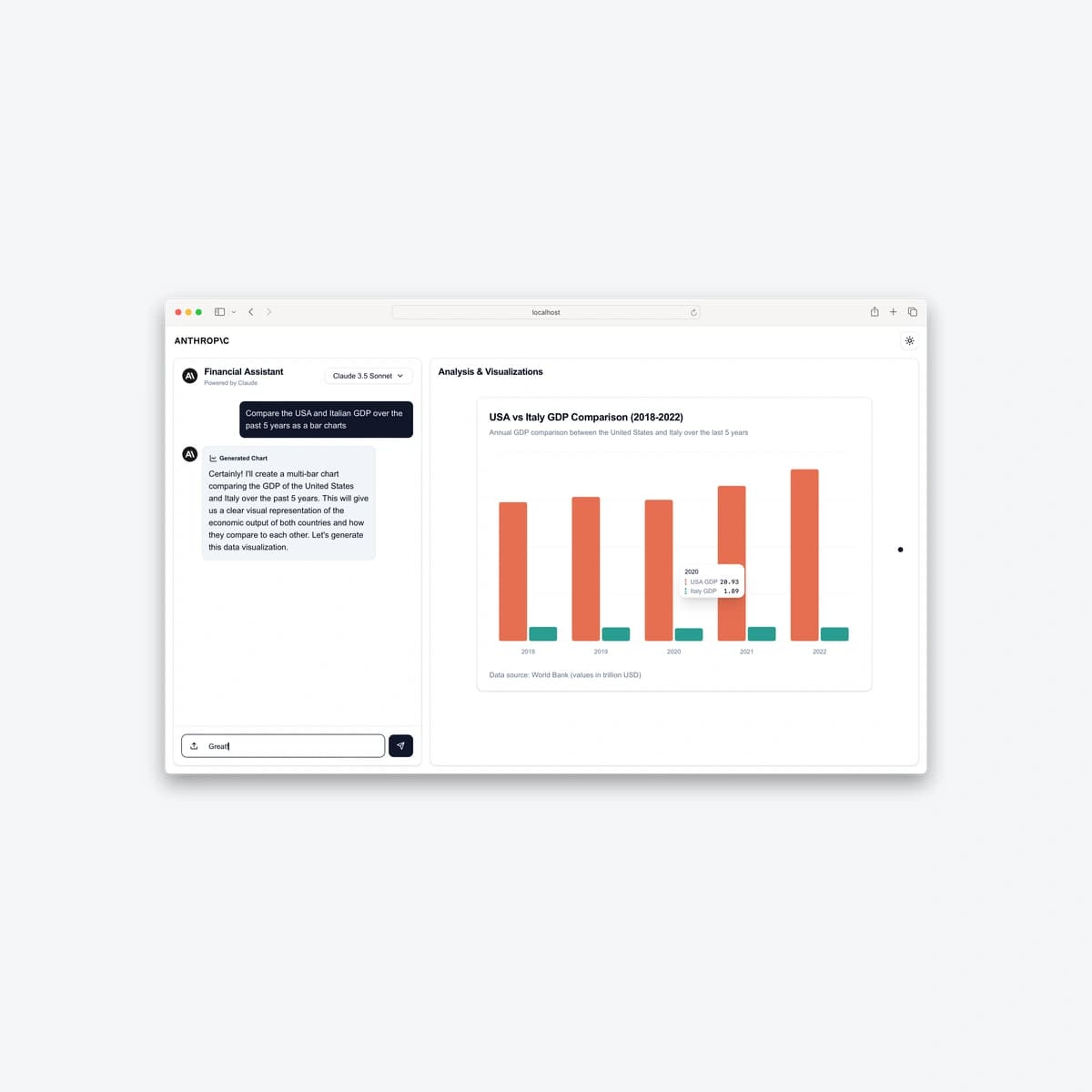
AI use is spreading across Vietnamese businesses. The challenge is choosing the right job, measuring the right result and knowing when to scale.
↗︎
AI should not begin with a demo. Find a repeated, information-heavy task with an accountable owner and test there first.
↗︎
A practical way to budget a mobile app around users, workflows, platforms, backend services, integrations, release and operation rather than one fixed price.
↗︎
How to choose customer-service steps to automate, connect data, handle exceptions and keep clear handoffs to people.
↗︎
A framework for budgeting an AI chatbot across the use case, data, integrations, quality evaluation, access controls and ongoing operation.
↗︎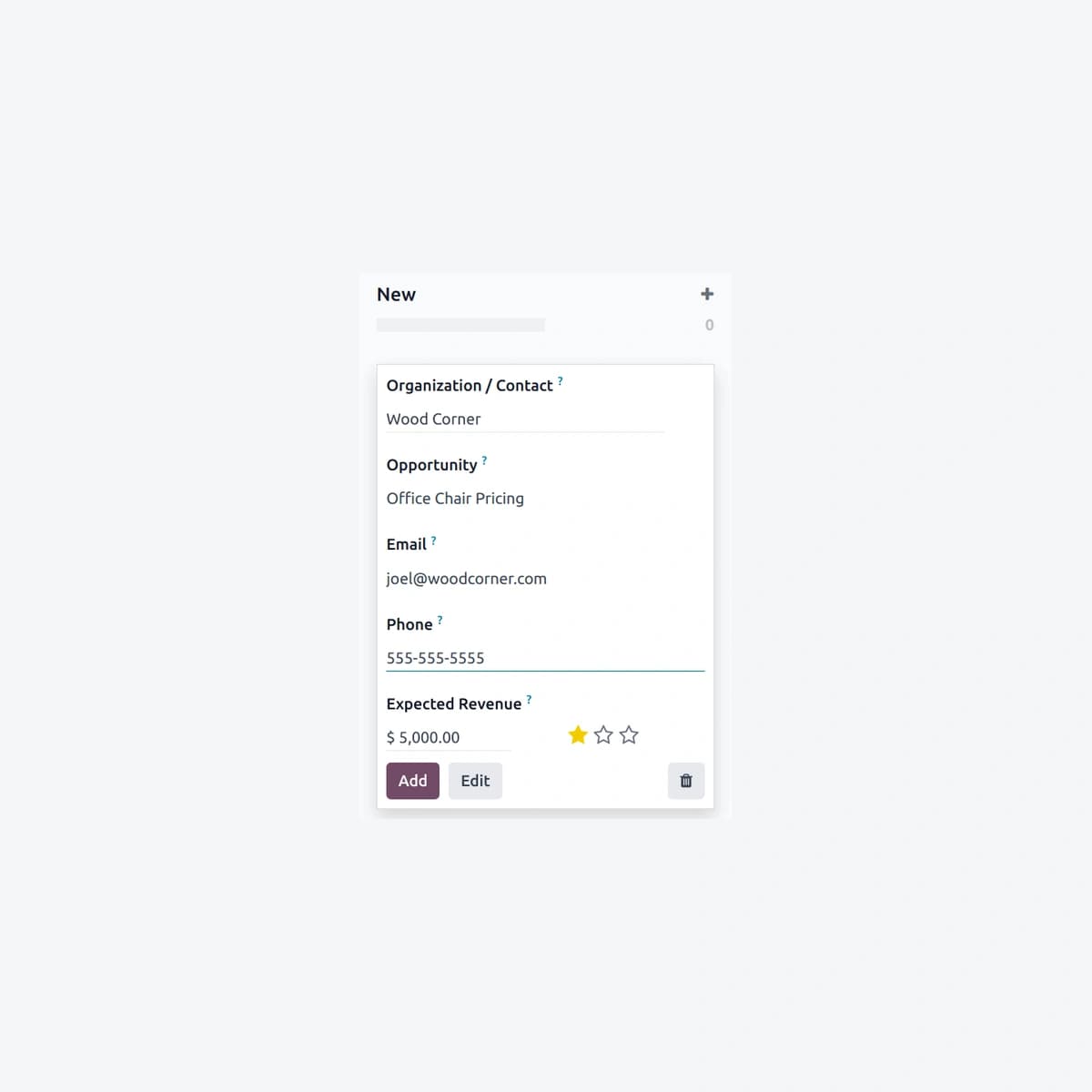
A silent lead is often not a slow sales problem; it is a handoff problem between the form, inbox and spreadsheet. Here is the minimum controlled flow.
↗︎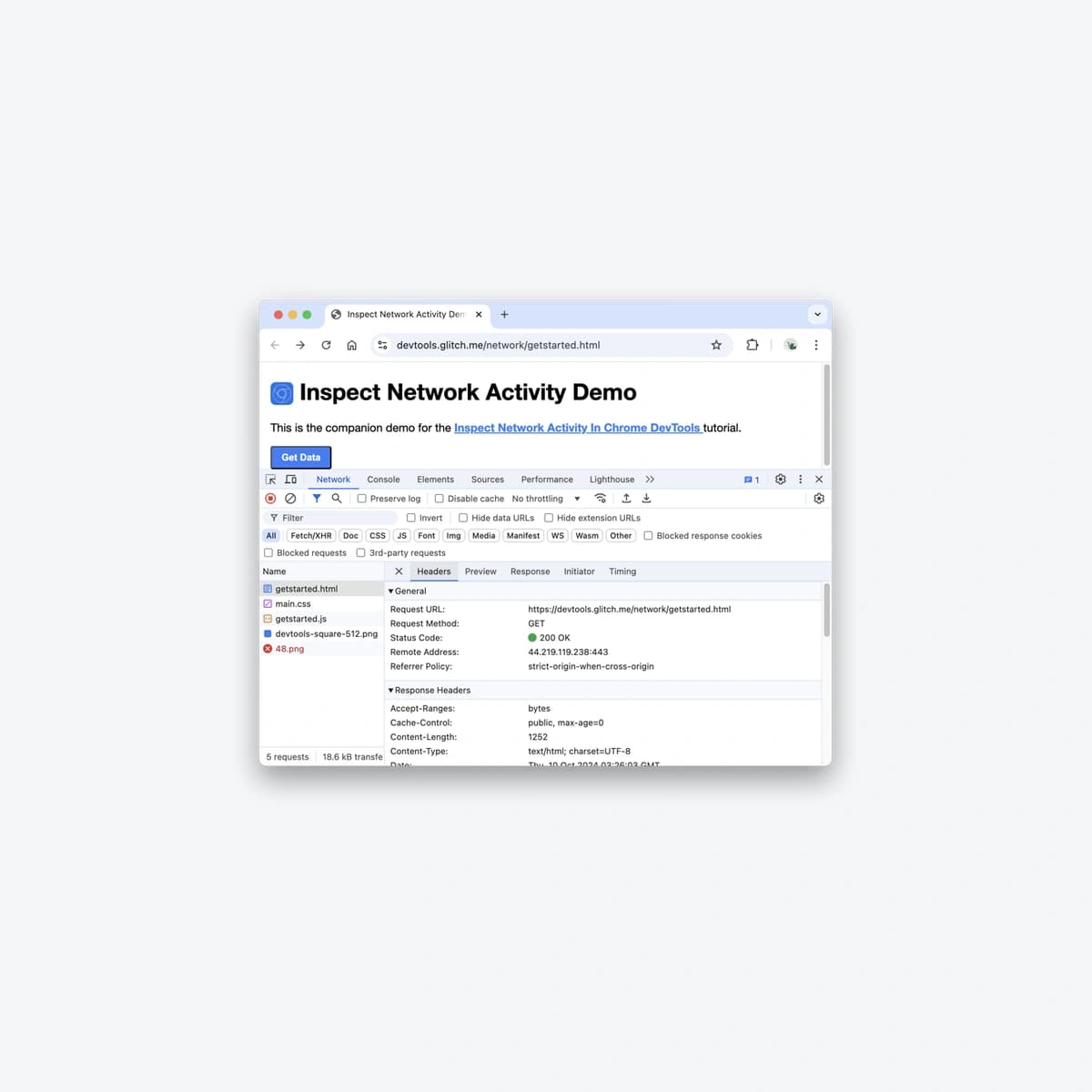
Unexpected redirects, strange content or unusual mail are not a cue to delete things in a panic. Six steps to preserve evidence, limit impact and recover safely.
↗︎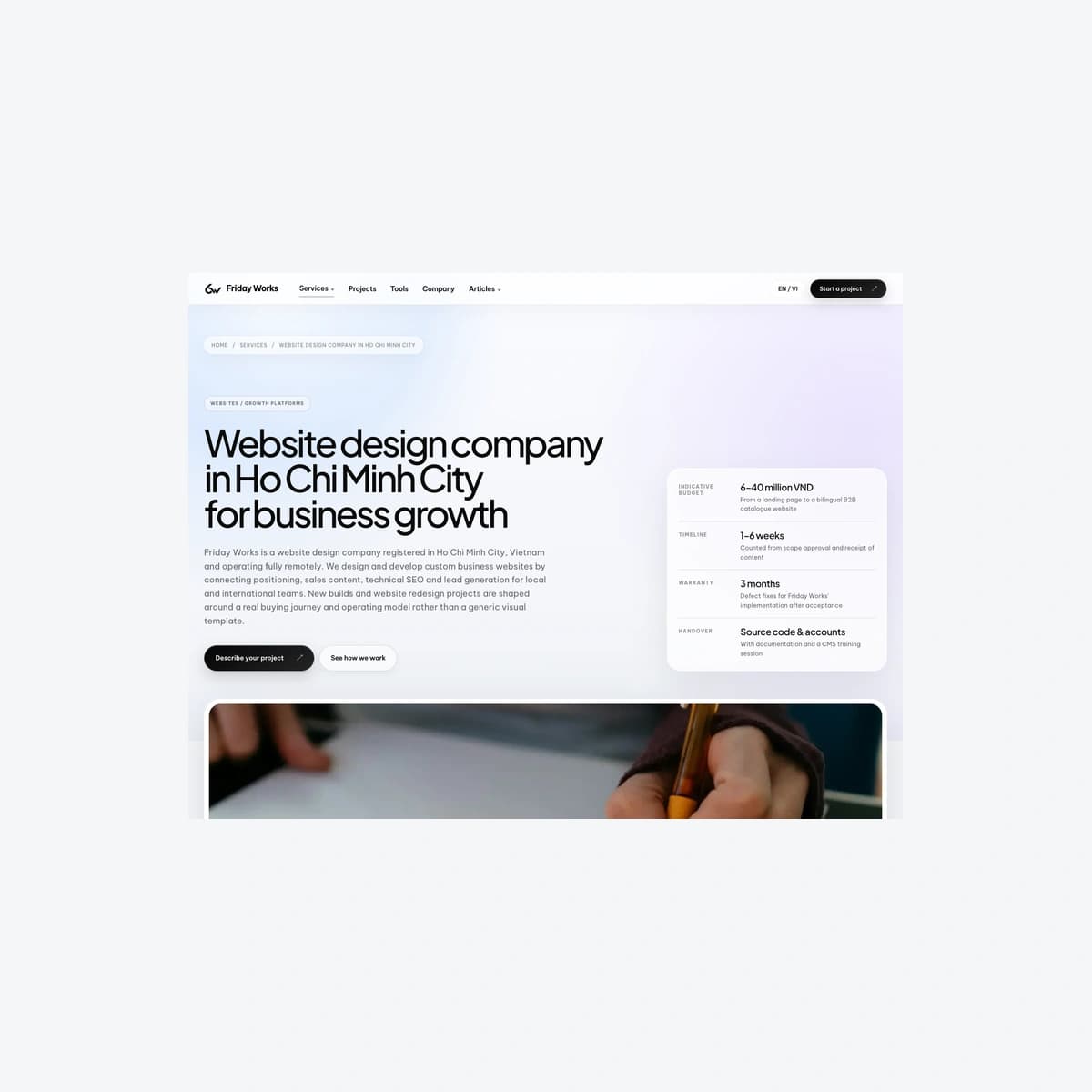
An English website is not a translated menu. International buyers need to understand what you do, proof of delivery, how to begin and who is accountable within minutes.
↗︎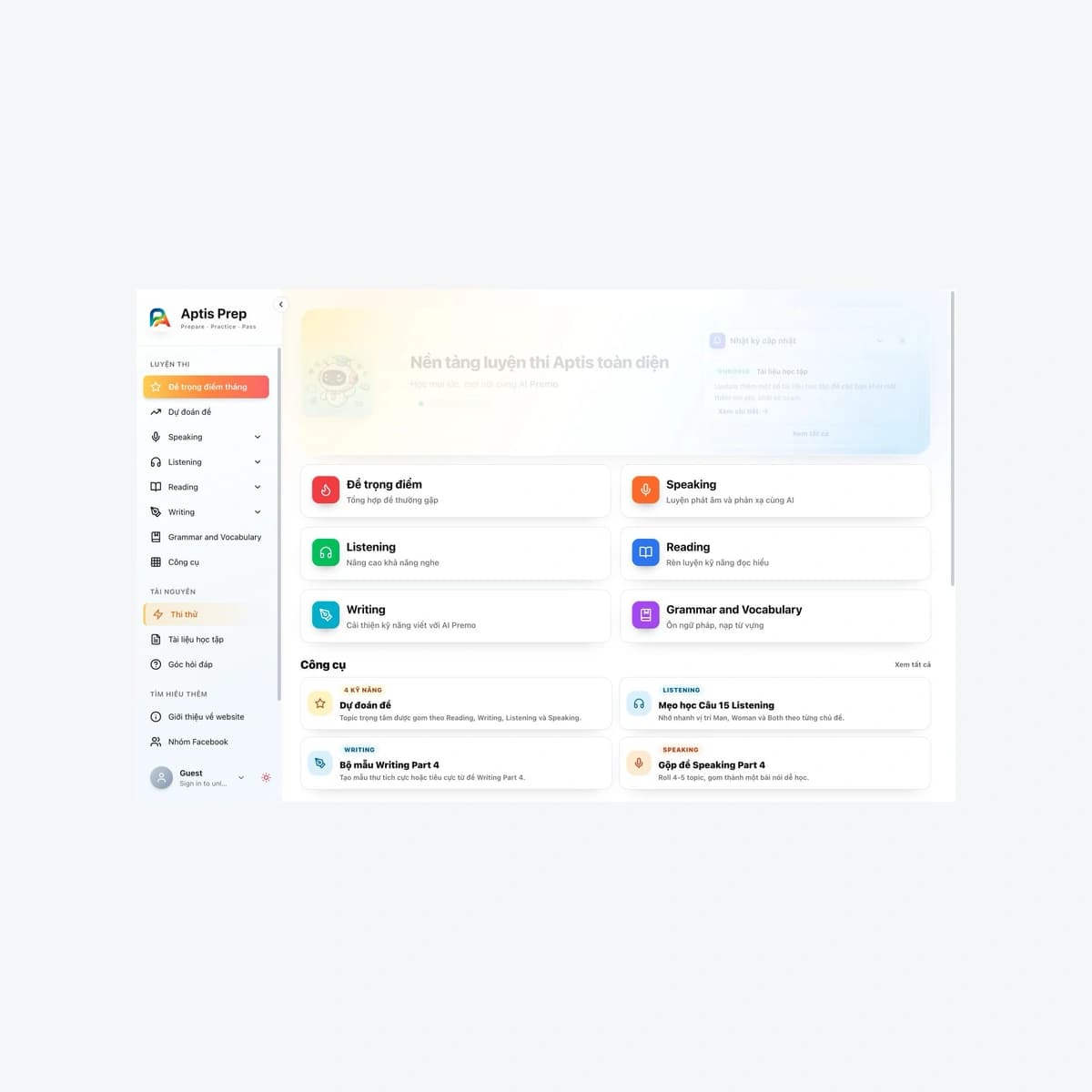
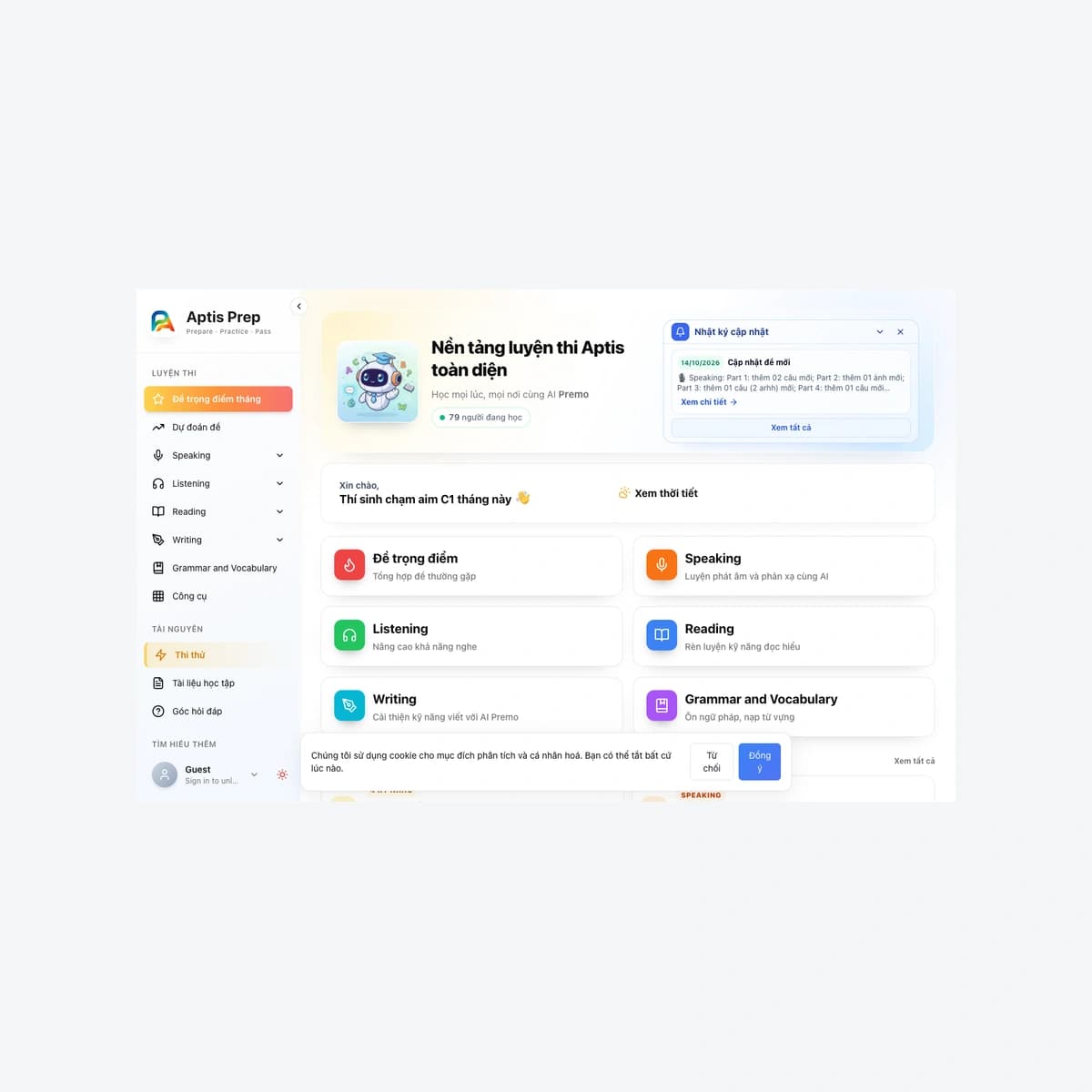
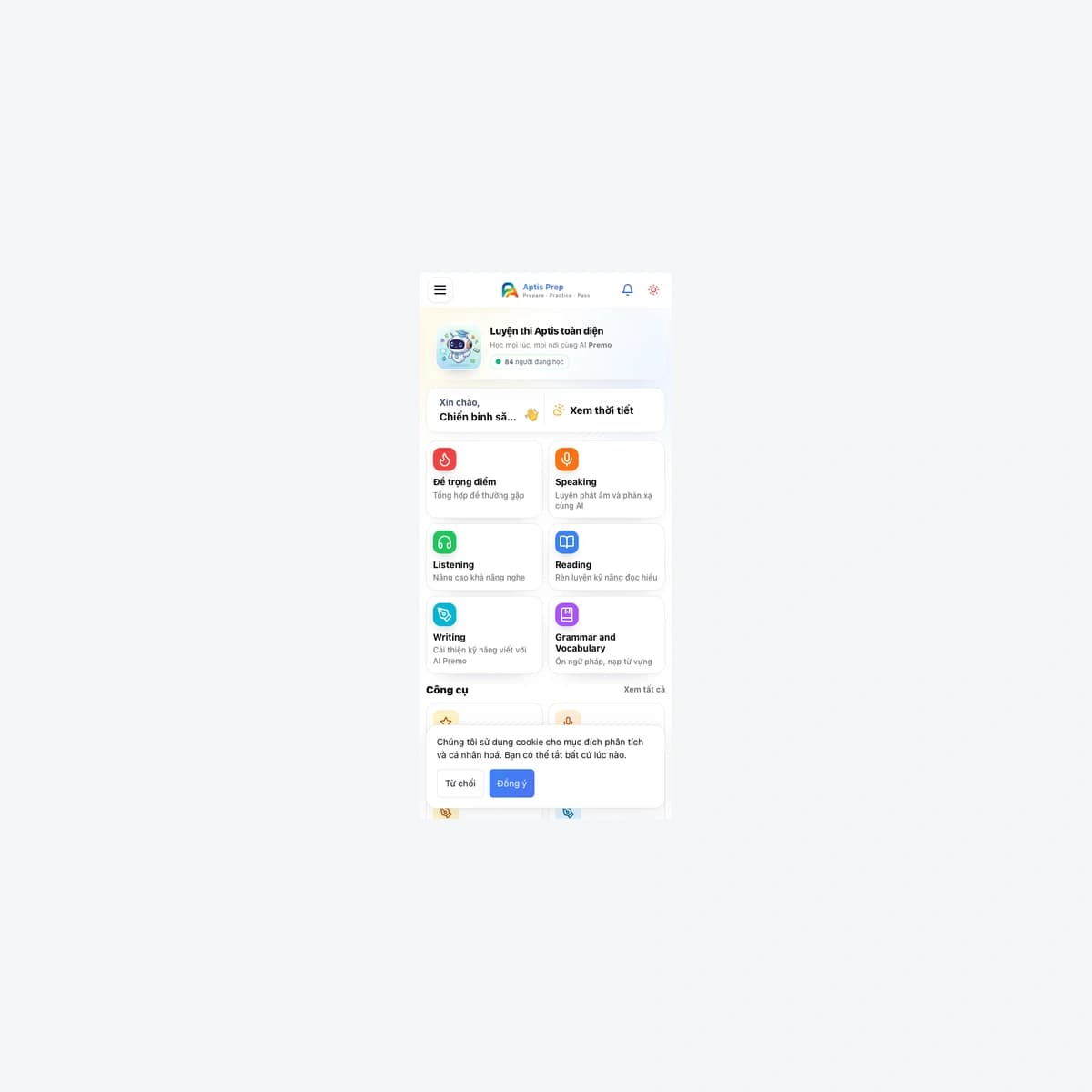
Using AptisPrep as a case study, Friday Works examines the learning flow, practice tools and practical role of AI in an online learning platform.
↗︎More businesses are trying AI, but trying tools alone does not create business value. Here is how to frame a pilot with a goal, measurement and accountable owner.
↗︎
An AI agent cannot answer reliably when its source data is mixed up. Six steps to define scope, access and review before building.
↗︎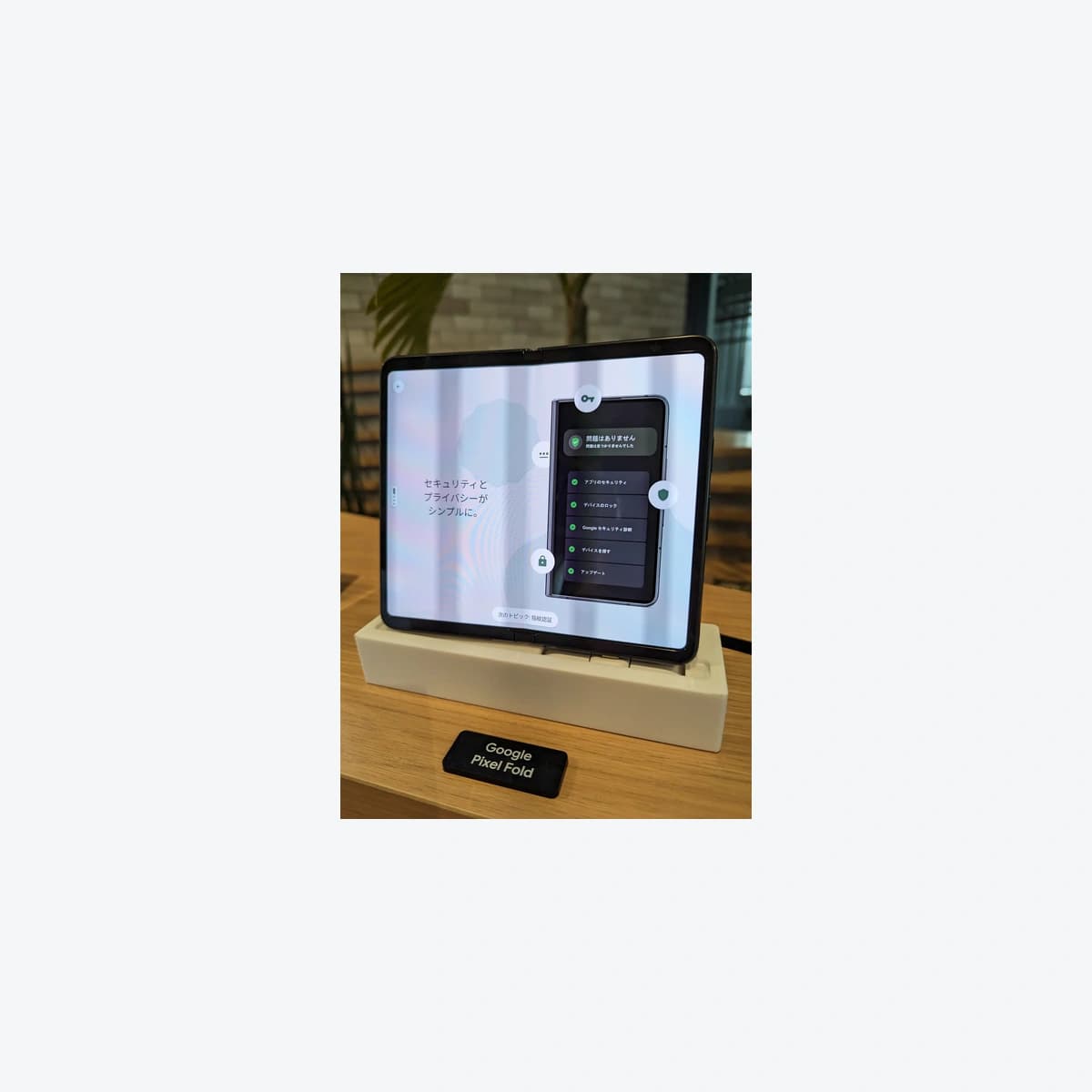
A larger screen is the obvious reason to buy a foldable phone, but it is not enough. Check workflow, weight, hinge, warranty, device management and file handling before spending.
↗︎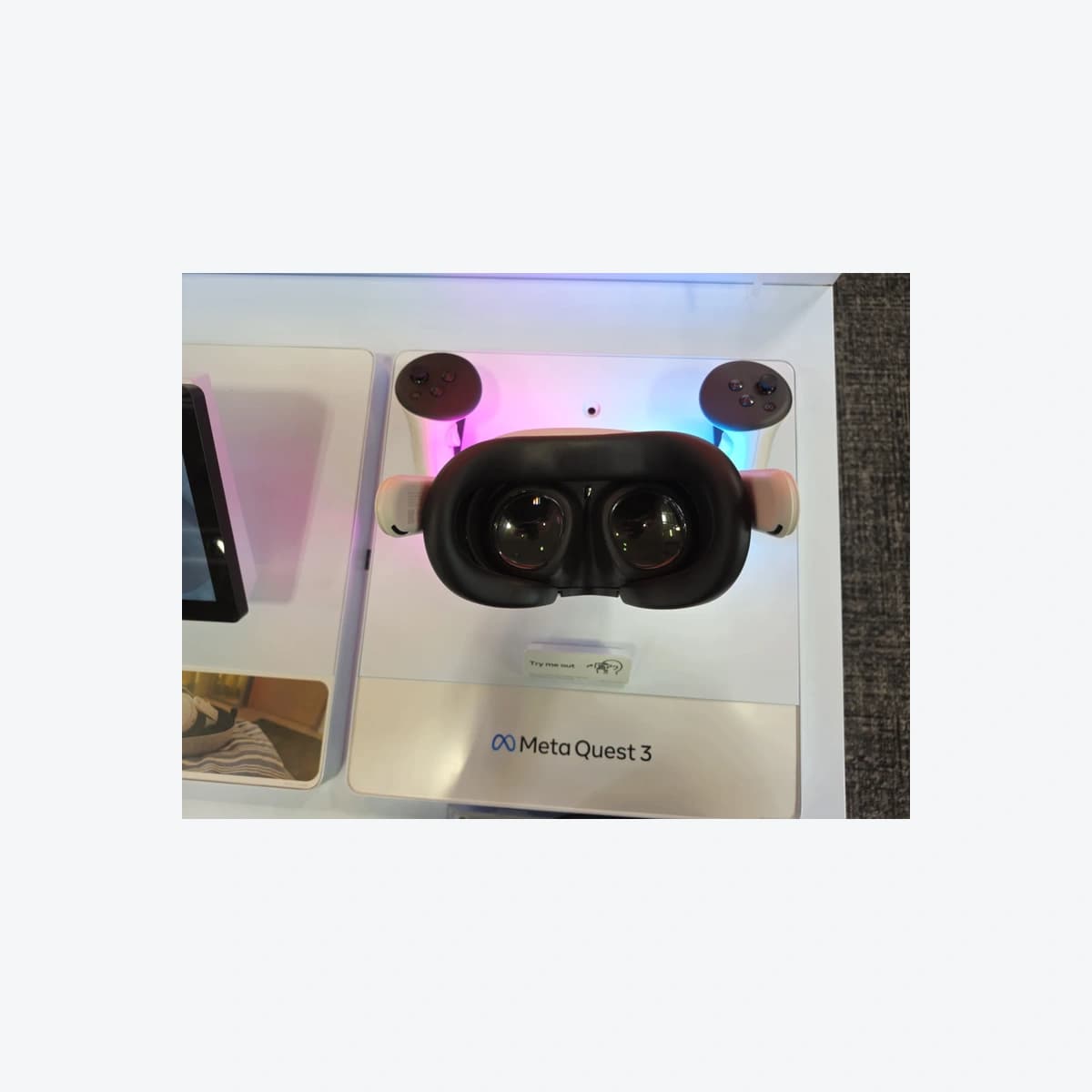
Meta Quest 3 can help with training, 3D review and spatial experiences, but novelty is not a business case. Here is how to run a small XR pilot with clear stop criteria.
↗︎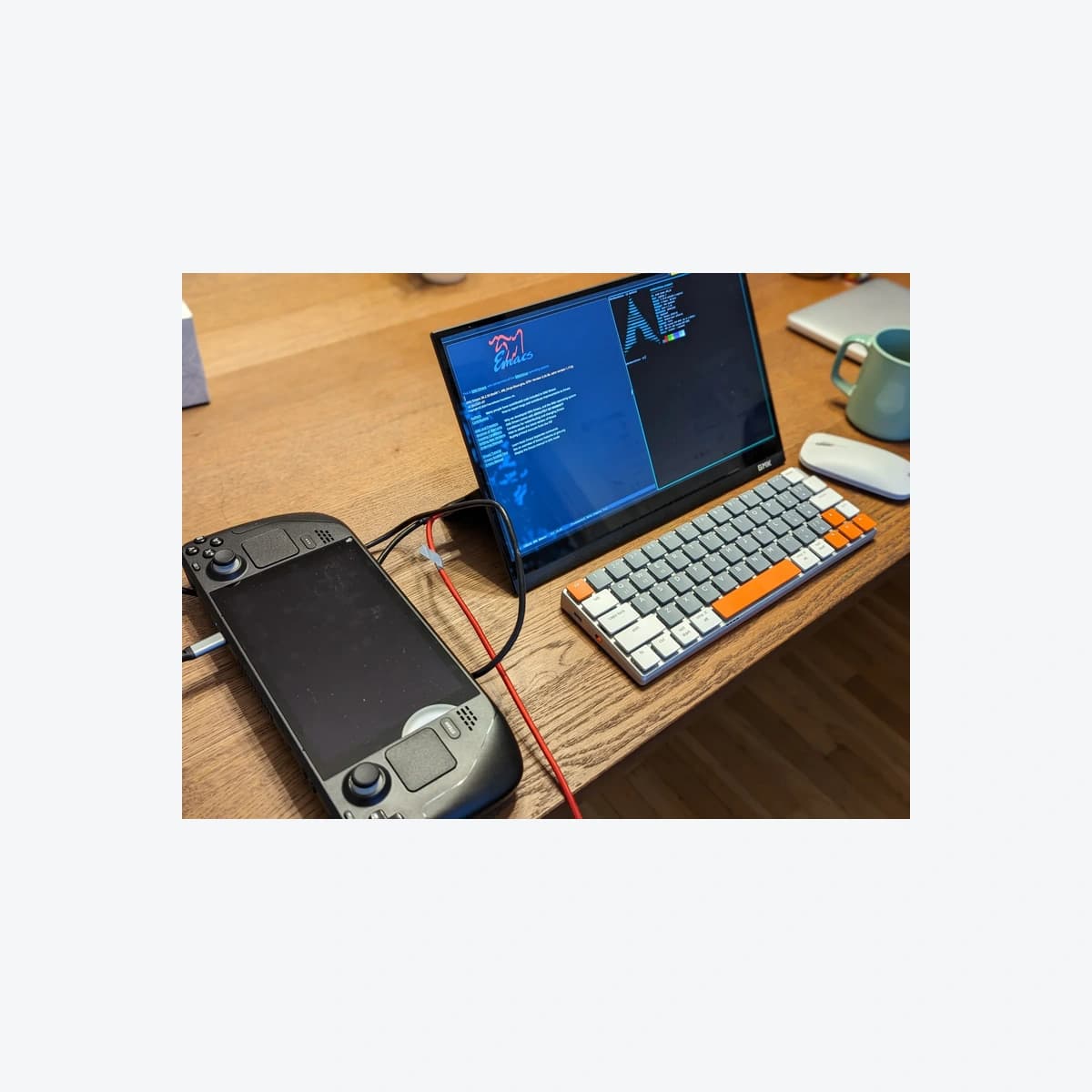
Steam Deck, ROG Ally and Legion Go only make sense when they fit your games, network, charging routine and play time. A practical checklist before buying a handheld PC.
↗︎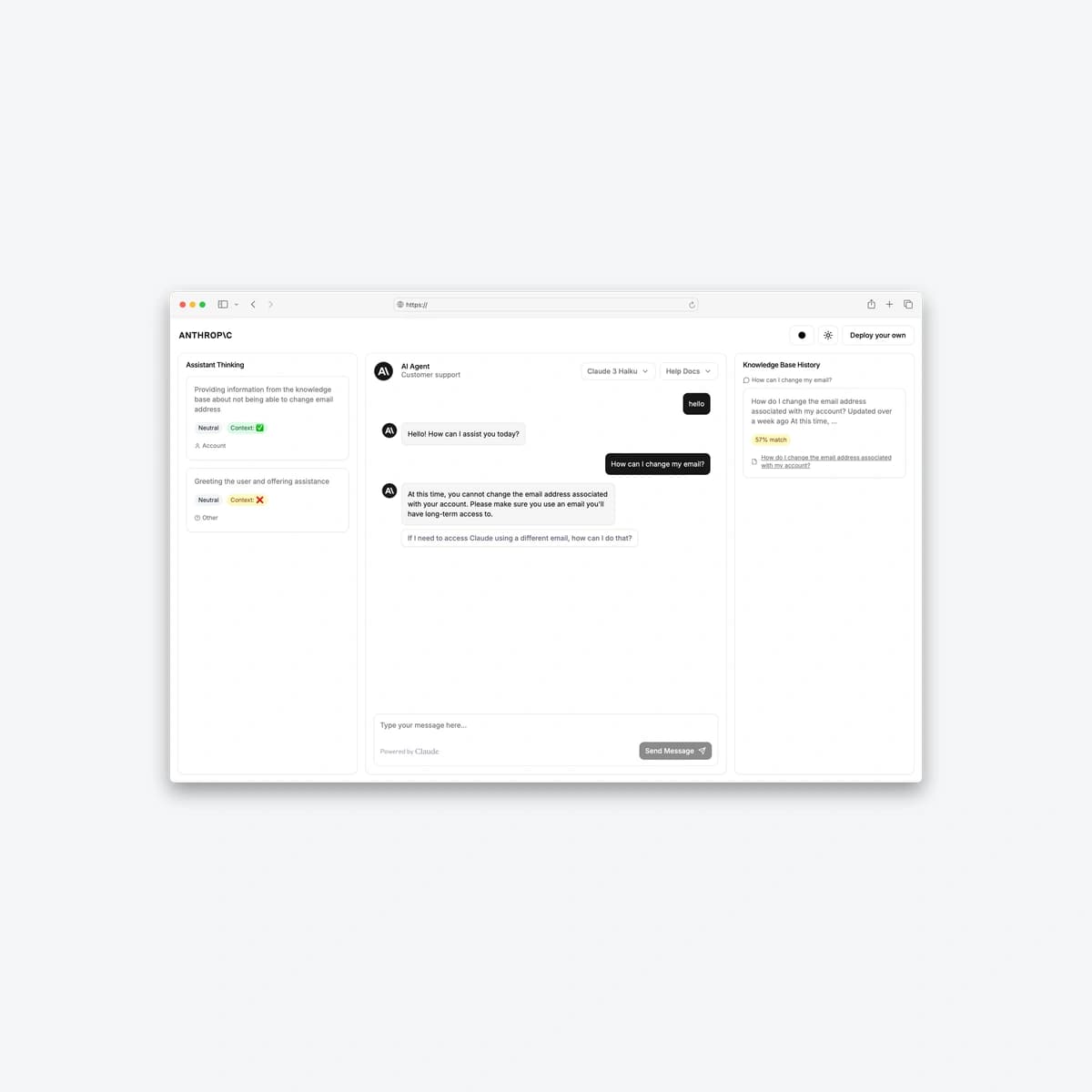
Anthropic has committed $100 million to train 10,000 engineers who deploy AI in business. The important message is not certification; each person returns to solve a real project with security and measurable outcomes.
↗︎AI use is rising quickly among Vietnamese businesses, yet only a small share has integrated it into operations. The next step is not buying another tool; it is choosing the right work to measure and implement.
↗︎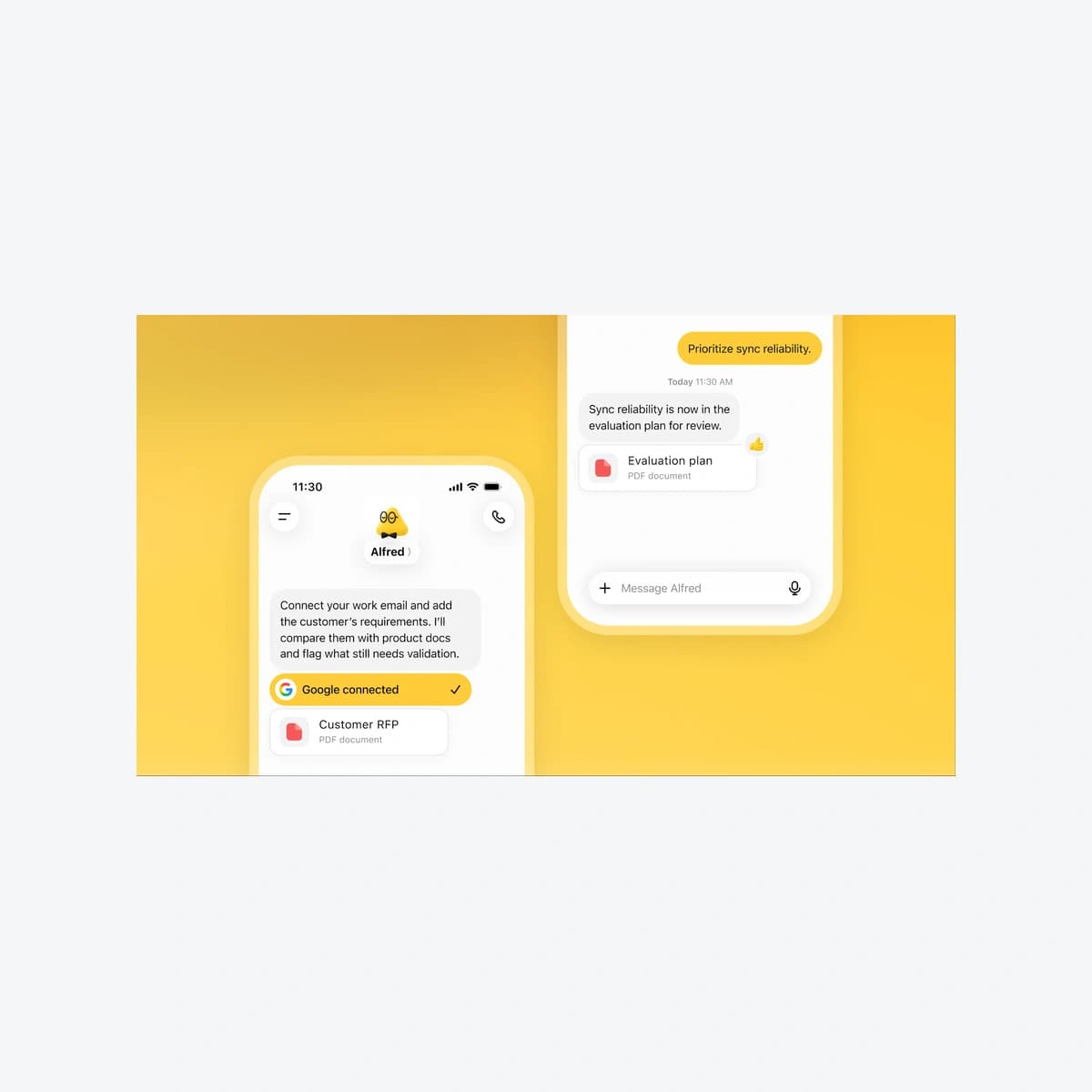
OpenAI's latest announcements show AI moving from answering questions to carrying out work in connected systems. Before an agent touches a CRM, inbox or internal documents, a business needs a bounded pilot, explicit permissions and human approval.
↗︎Plan the pages a business website actually needs, with practical examples for services, products, projects, pricing and inquiries before design begins.
↗︎Separate low traffic, wrong-fit visitors and failed submissions. Review search visibility, service content, inquiry buttons, forms, mobile usability and follow-up before a redesign.
↗︎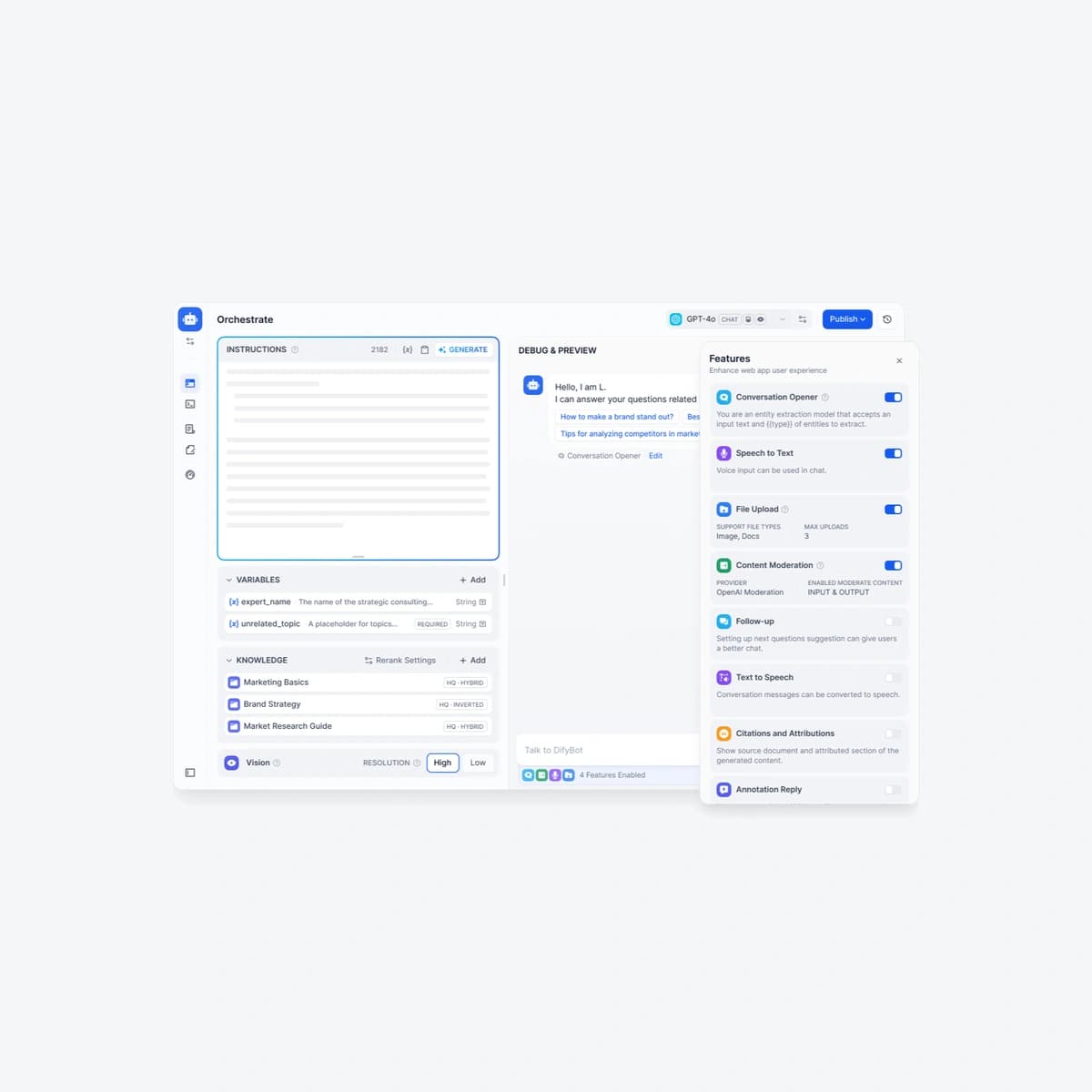
Prepare approved knowledge, answer boundaries, human handoff and acceptance tests for a website AI chatbot. Start with one service, not every company document.
↗︎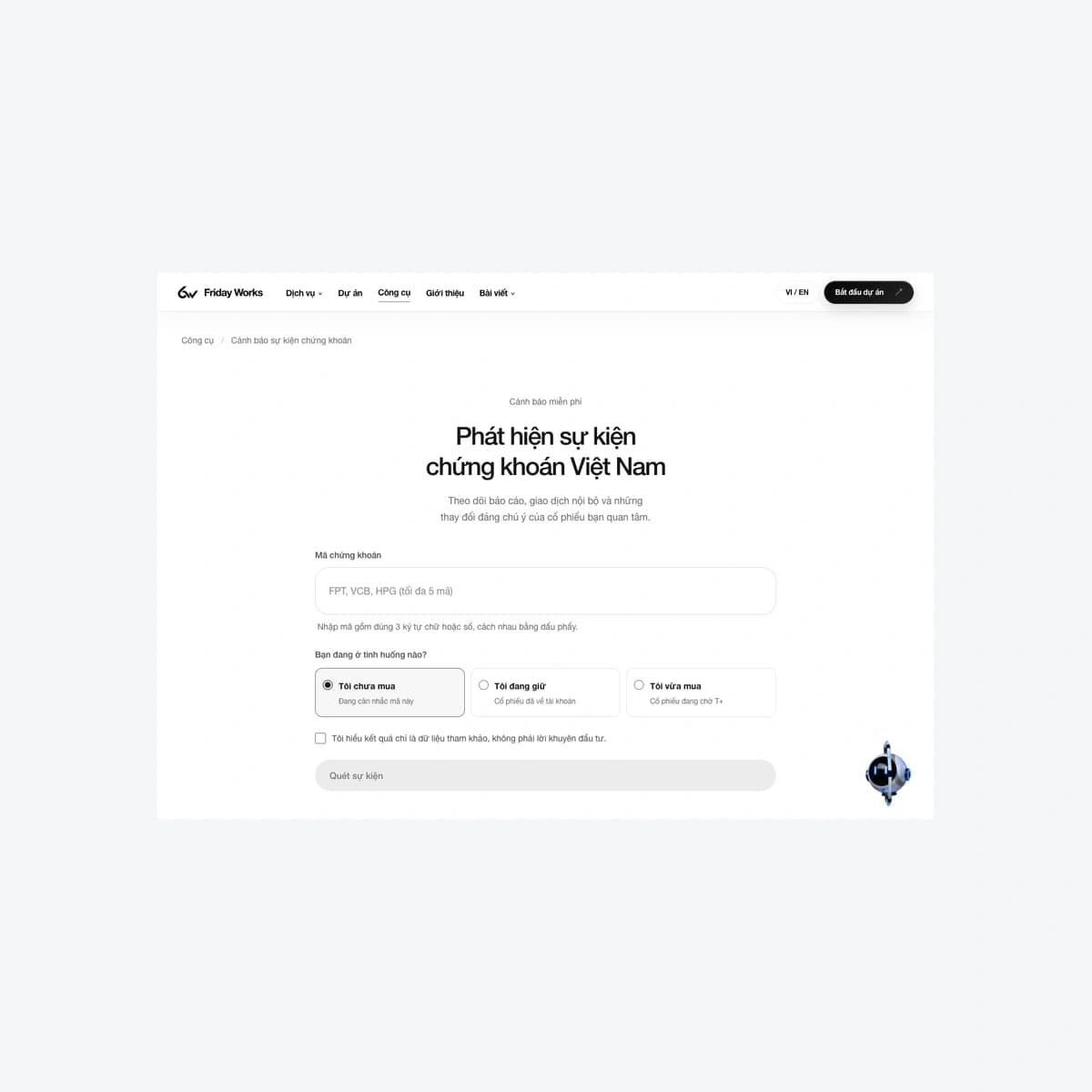
A practical guide to monitoring Vietnam stock events, reading financial filings, insider transactions and dividends, then checking the official disclosure.
↗︎
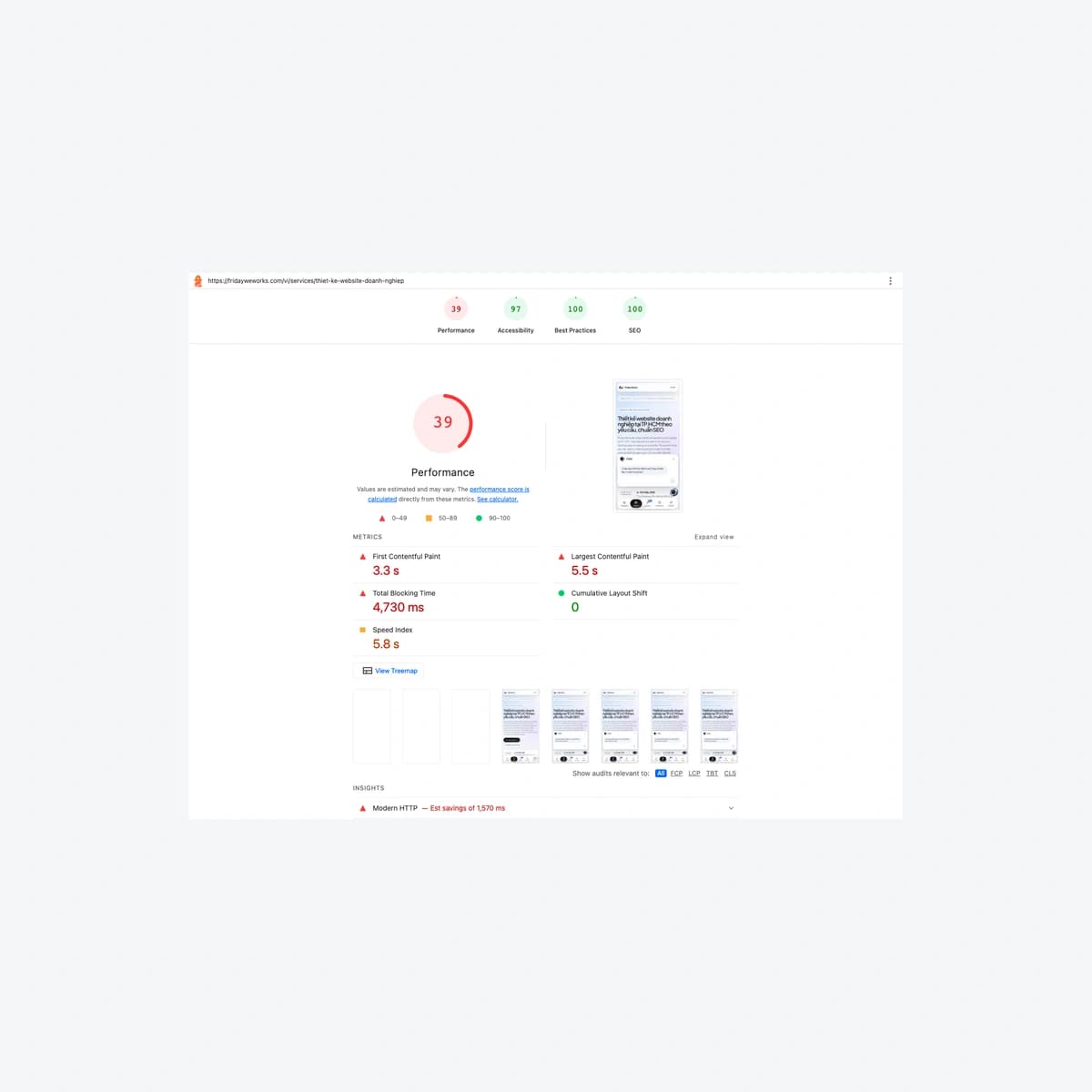
Indicative budgets, baseline scope, timing and exclusions for every Friday Works service package.
↗︎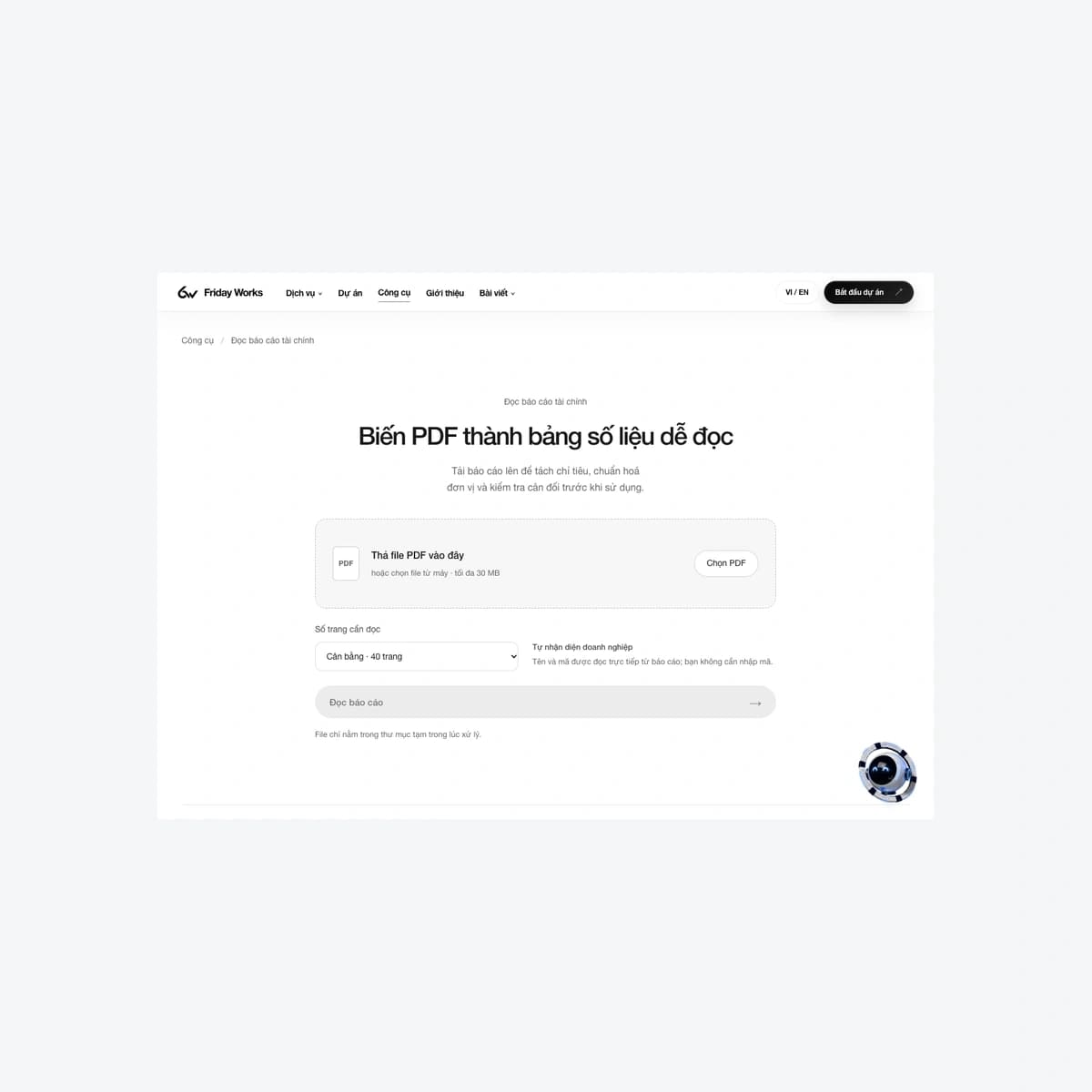
A practical workflow for OCRing scanned financial-statement PDFs, normalising units, preserving source pages and verifying extracted figures.
↗︎
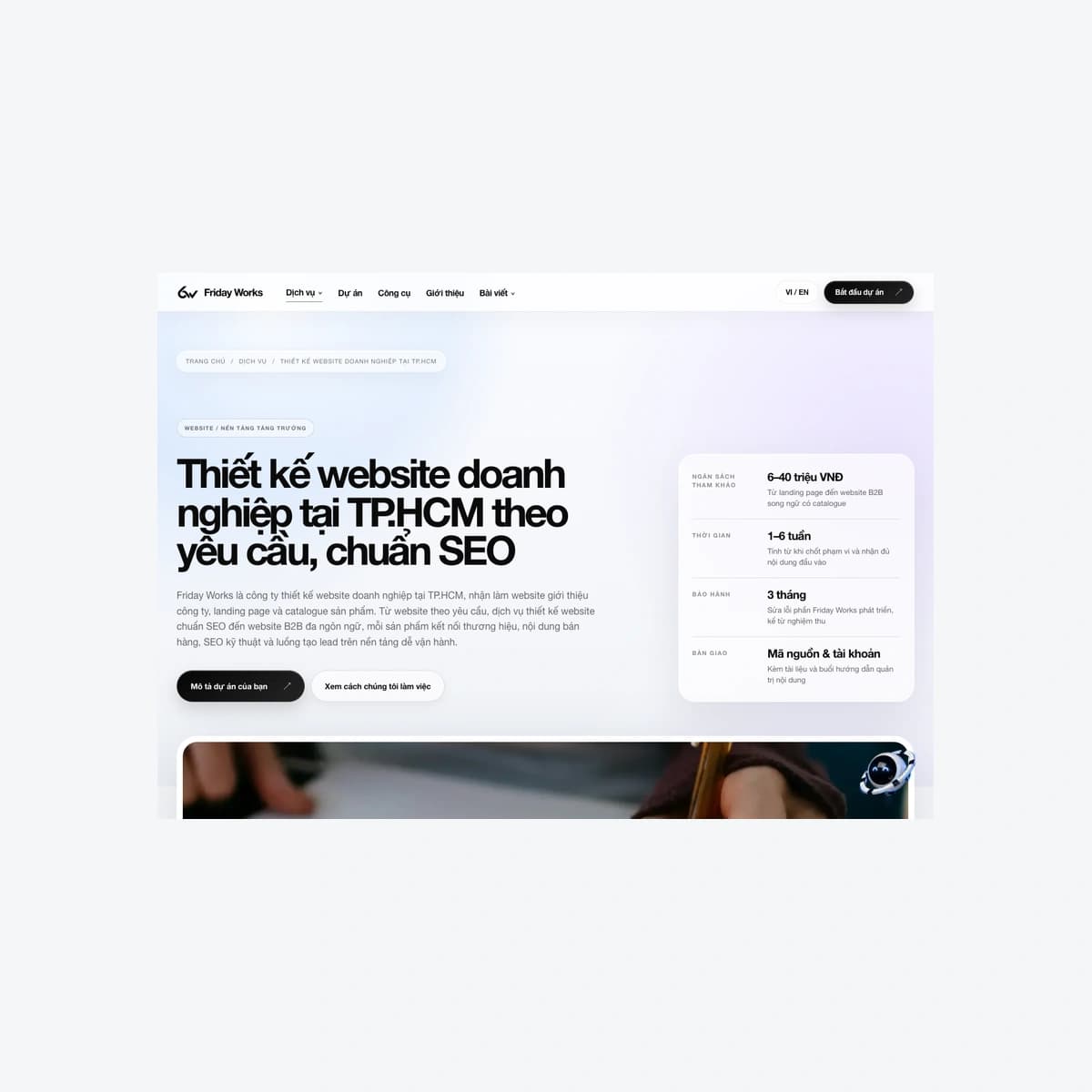
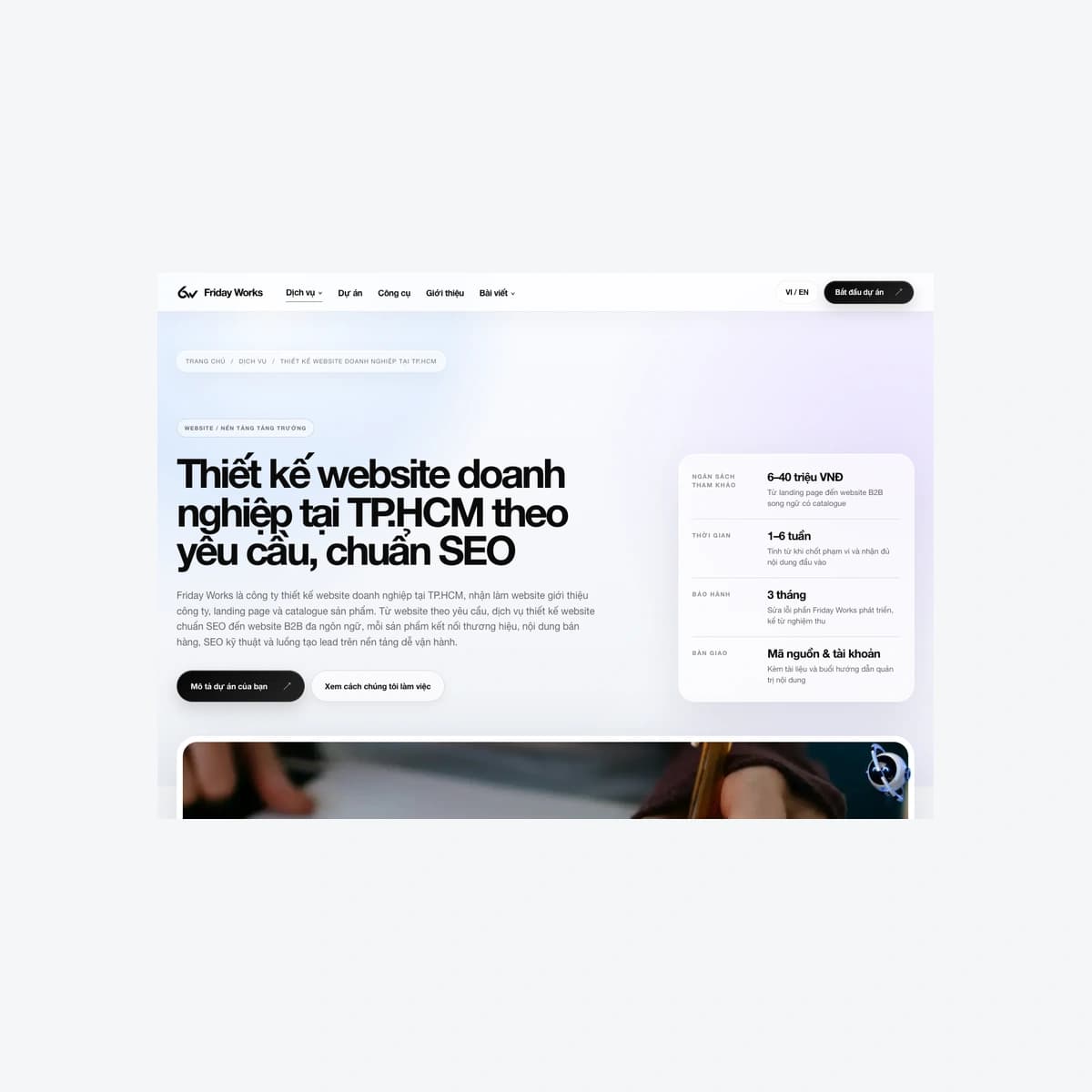
A practical brief template for defining business goals, content, functionality, SEO, acceptance criteria and ownership before requesting website design proposals.
↗︎
A practical way to decide between incremental improvement and a full rebuild while protecting URLs, content, measurement and organic visibility.
↗︎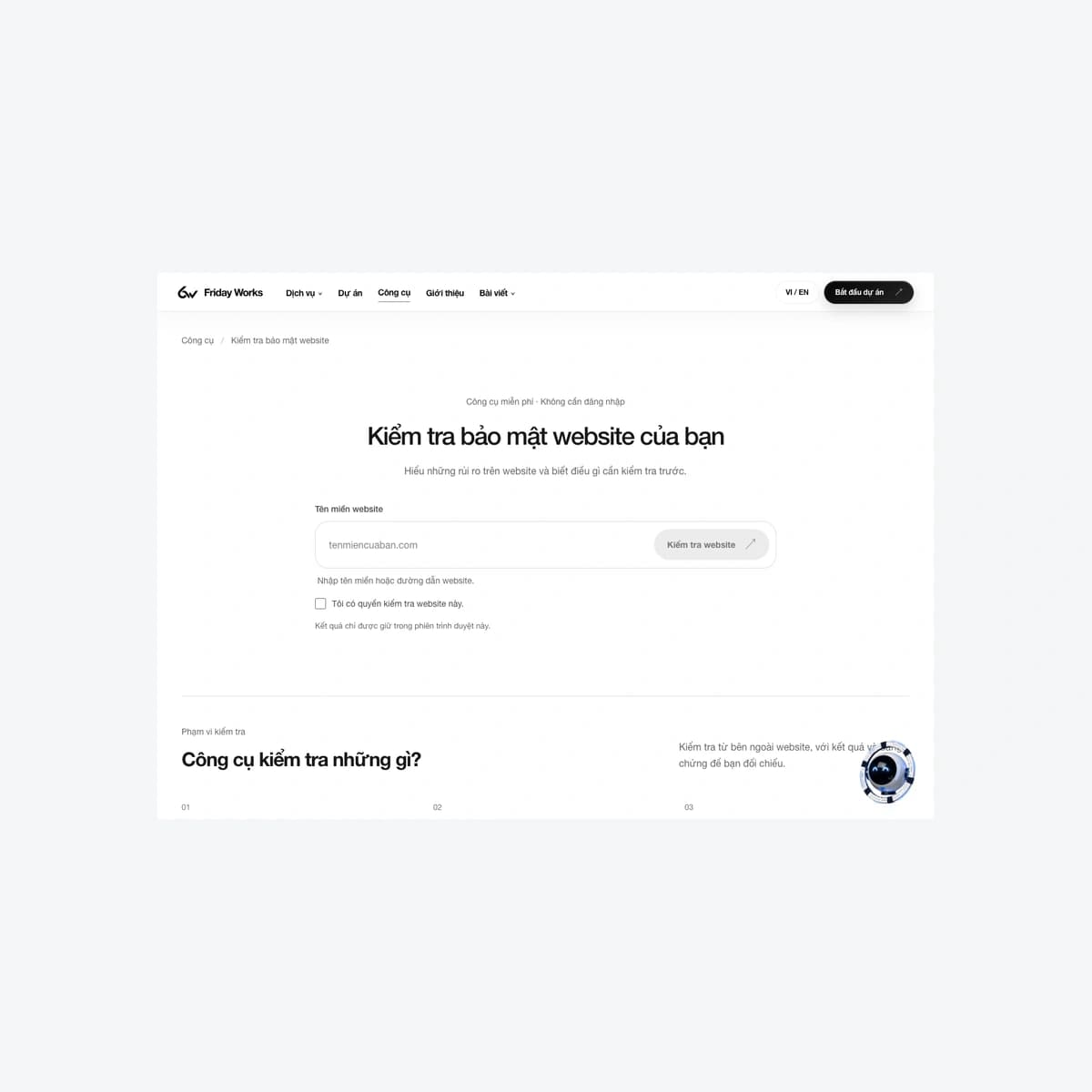
How to distinguish signals from confirmed vulnerabilities and decide what to do after a website security scan.
↗︎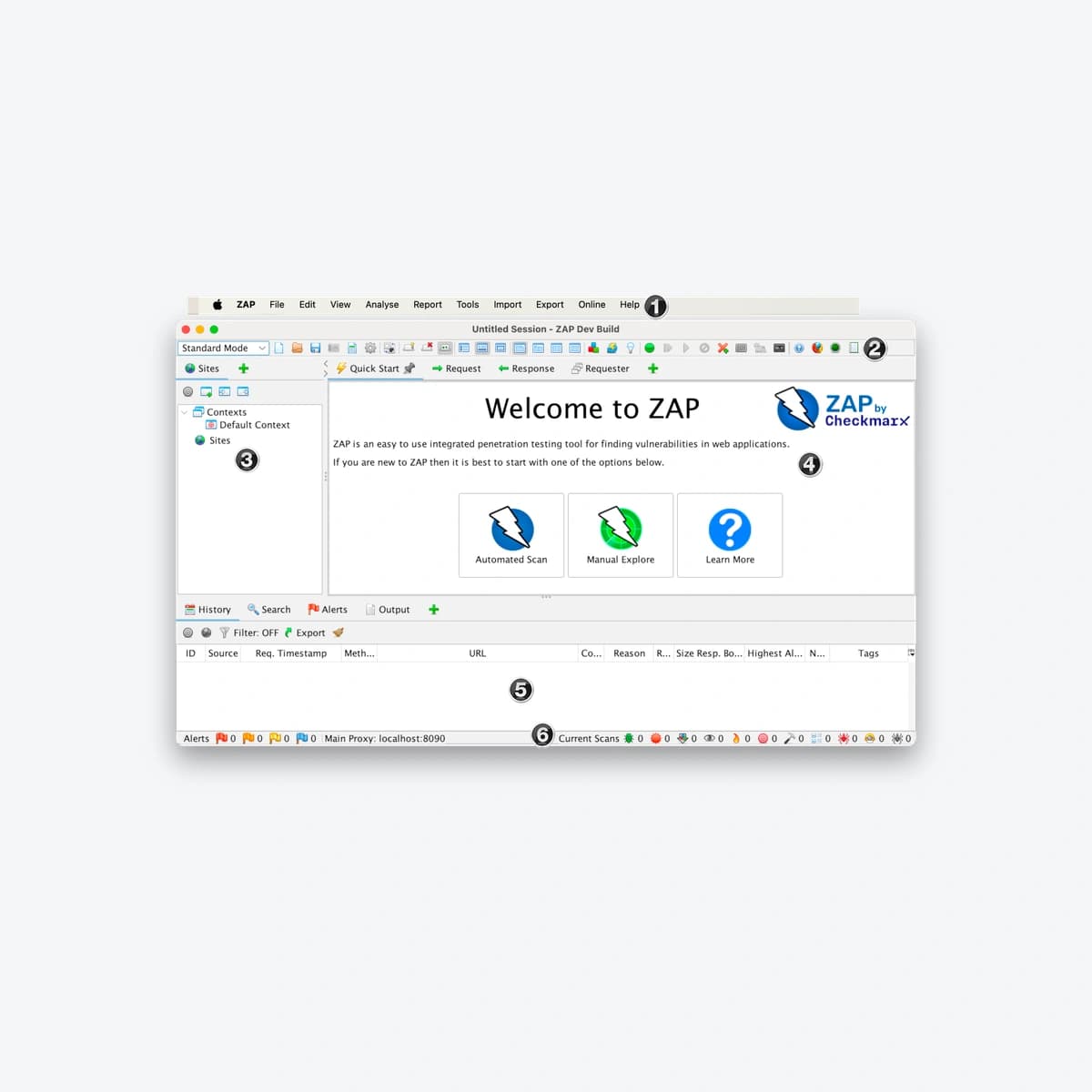
Budget a website, web app or API security assessment around assets, user roles, business flows, testing depth, reporting and retesting.
↗︎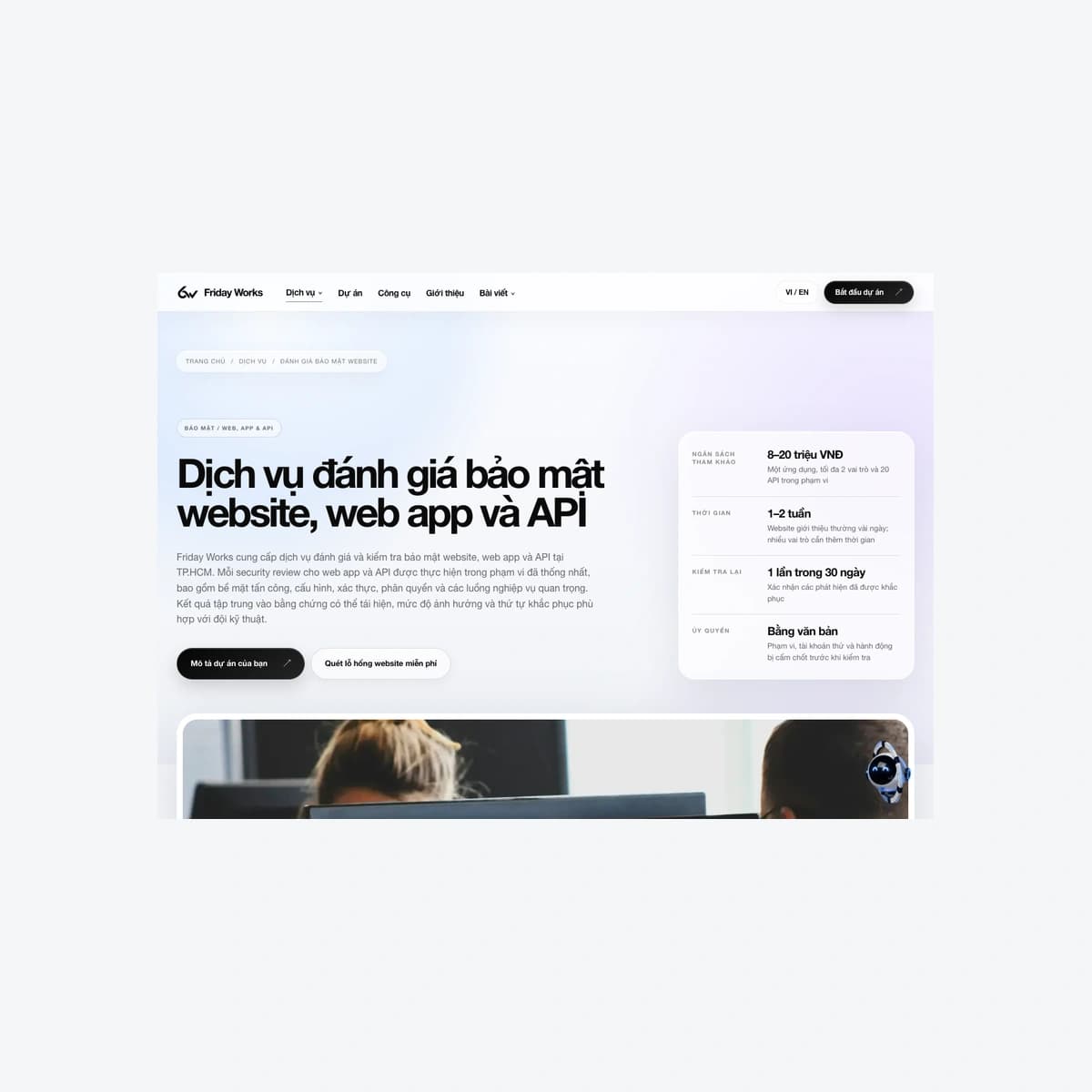
A non-ranked list of six Ho Chi Minh City providers publishing website, web app security assessment or penetration-testing services, with a method for separating scope before requesting proposals.
↗︎
Looking for a web design company in Ho Chi Minh City? Compare six agencies by published services, live websites, ownership, support and equivalent proposal scope.
↗︎Estimate web app development cost across scope, user roles, data, integrations, security, operations and the assumptions that belong in a credible proposal.
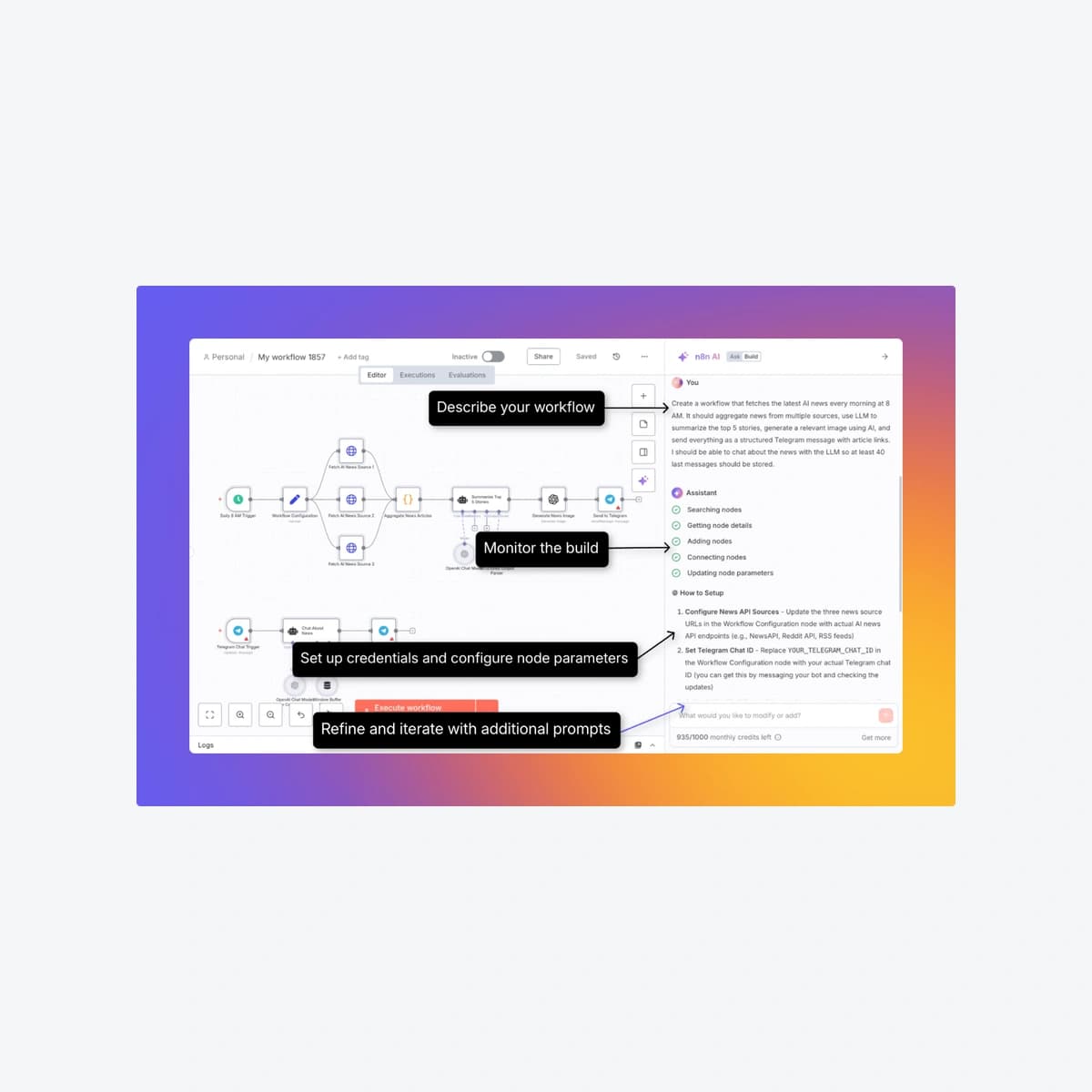
↗︎Compare security reviews, website security assessments and penetration tests by objective, scope, depth, evidence, operating risk and deliverables.
↗︎
Compare RPA, workflow automation and AI agents by task type, existing systems, predictability, risk and operating cost.
↗︎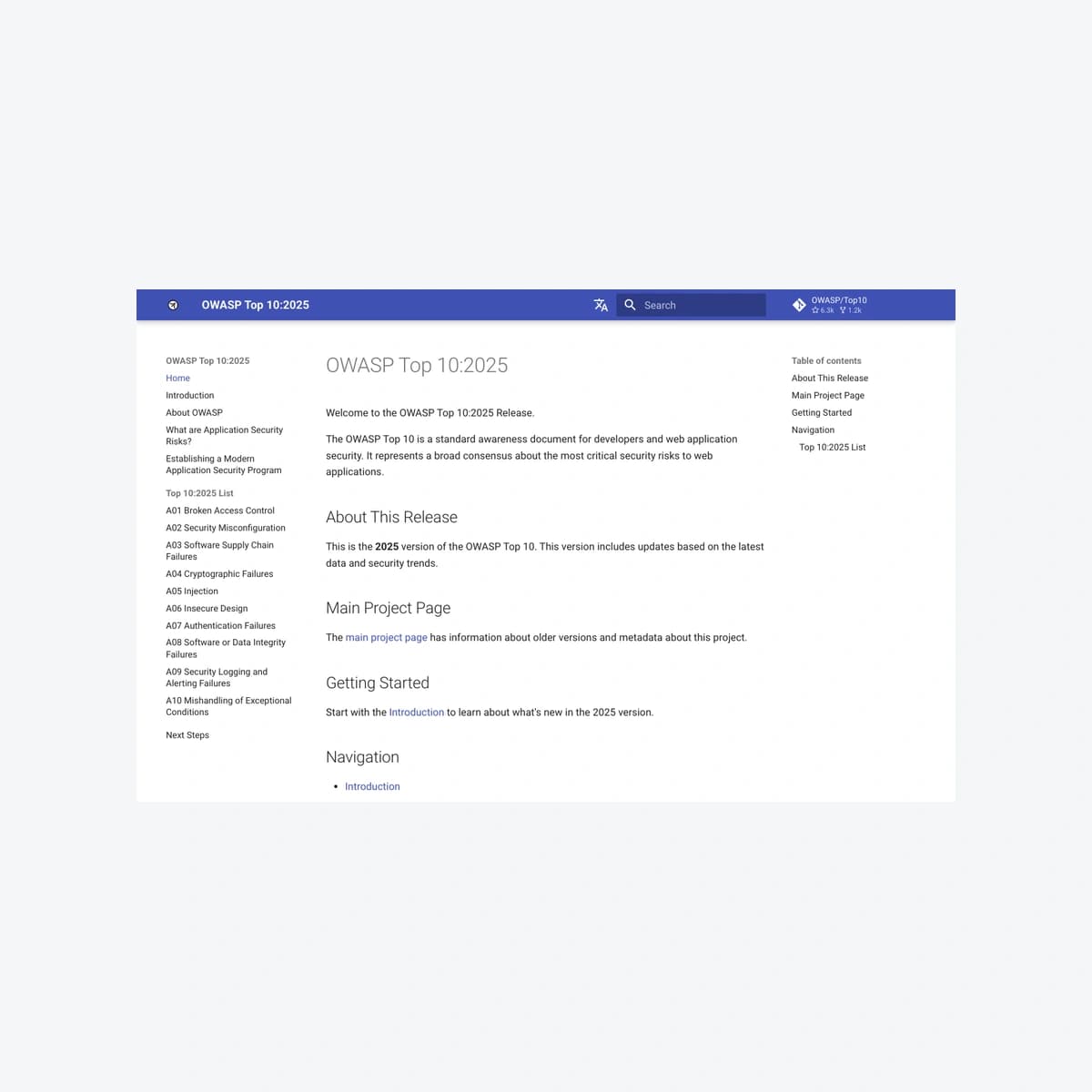
Understand the OWASP Top 10 2025, turn awareness risks into verifiable controls and combine it with ASVS and contextual web app and API testing.
↗︎Compare off-the-shelf and custom software by workflow fit, speed, integration, security, control and total cost of ownership.
↗︎Build a multilingual export website with separate URLs, hreflang, localised content, dependable product data and an international lead journey.
↗︎
An architecture for integrating AI into business systems through APIs, permissioned data, evals, human review, observability and controlled rollout.
↗︎Budget enterprise AI implementation across the use case, data, integration, evaluation, usage and the operating capability needed after launch.
↗︎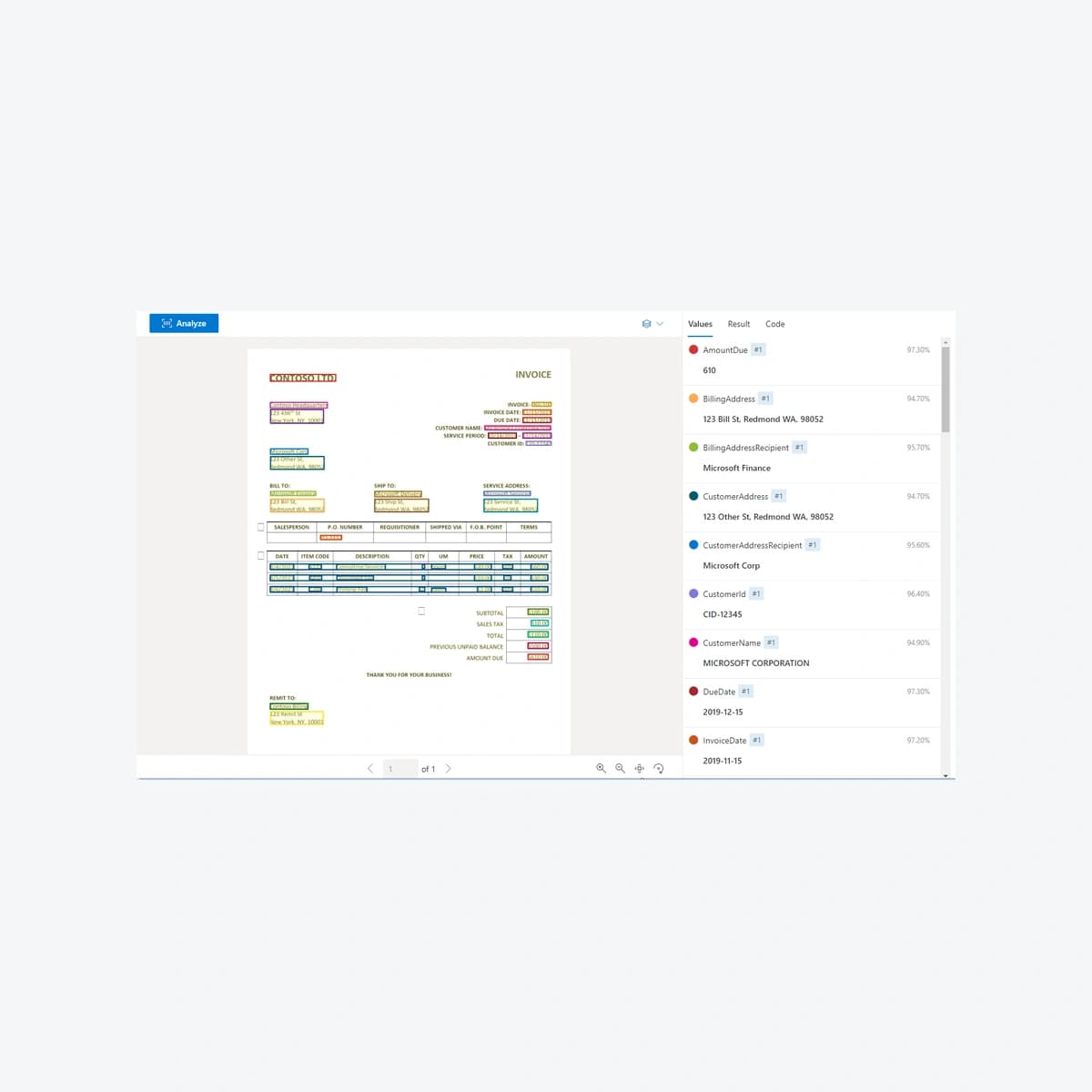
A practical Document AI architecture for invoice, contract and PDF OCR, from ingestion and field extraction to human review and ERP or CRM integration.
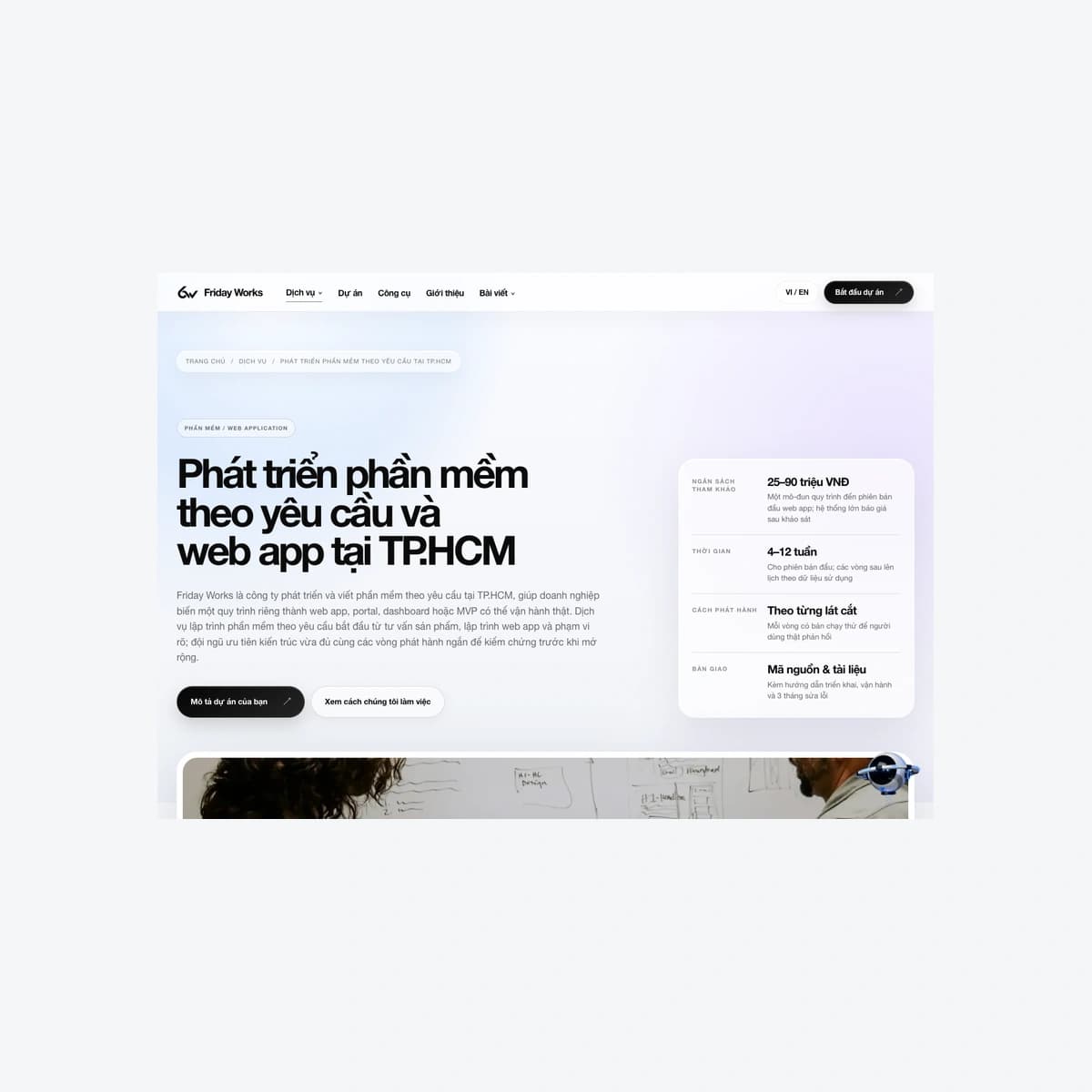
↗︎A custom software development process that moves from problem discovery and prototypes to an MVP and production through evidence-based decision gates.
↗︎
A non-ranked shortlist of five custom software companies in Ho Chi Minh City, with their published delivery models and a method for normalising proposals before comparison.
↗︎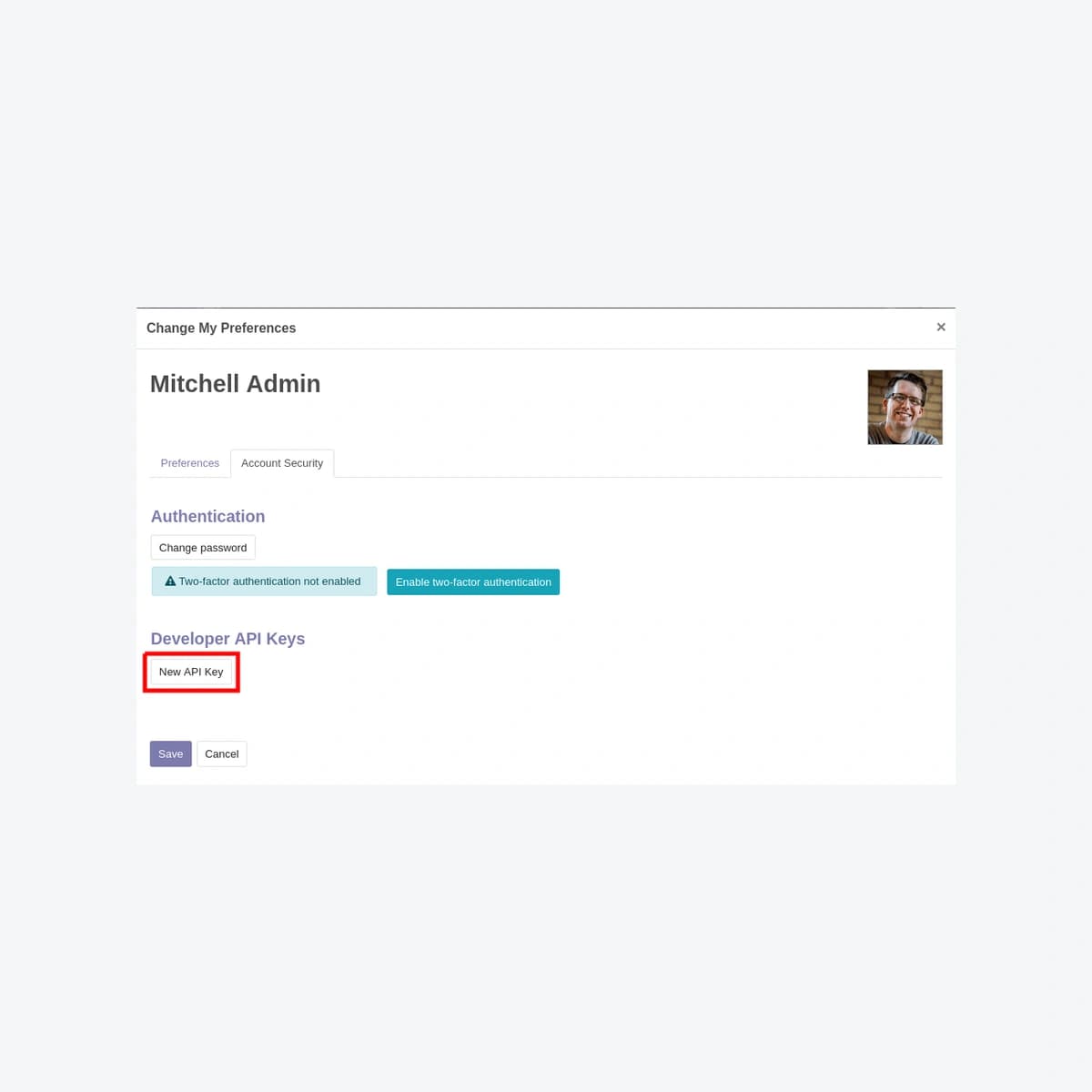
Estimate CRM, ERP and API integration cost across data scope, synchronisation direction, reliability, security, delivery and operations.
↗︎How to define systems of record, data mapping, idempotency, retries, reconciliation and monitoring for CRM and ERP API integration.
↗︎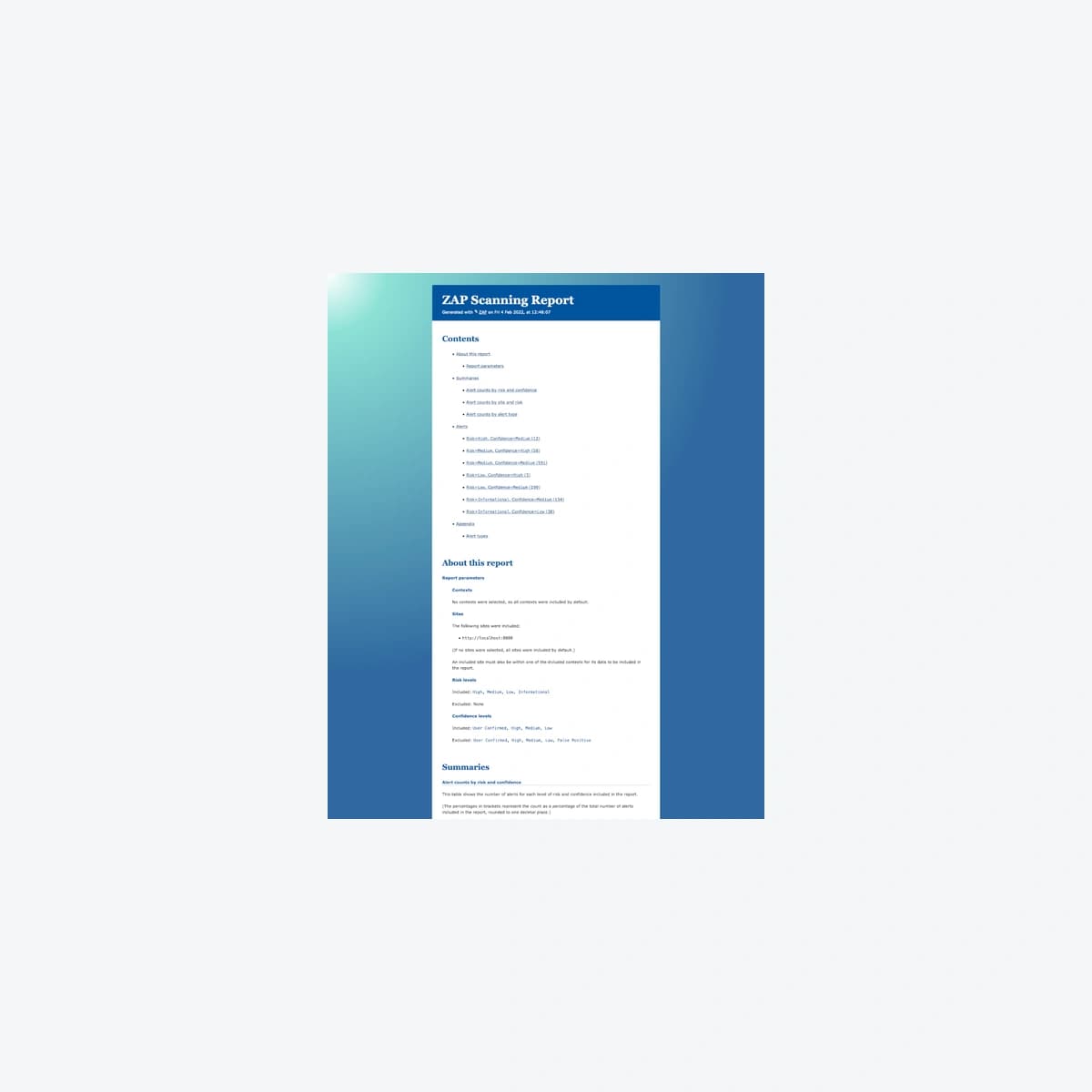
Evaluate a website, web app and API security assessment provider through scope, methodology, safety constraints, evidence, reporting and retesting.
↗︎Evaluate an enterprise AI partner through use cases, data, evaluation, integration, security, operating cost, ownership and pilot criteria.
↗︎Evaluate a custom software development company through discovery, team composition, estimates, security, ownership and operational readiness.
↗︎How to estimate business website design cost across scope, UX/UI, content, CMS, integrations, technical SEO and post-launch operations.
↗︎Design an SEO-ready B2B website with service architecture, credible proof, buyer-journey content and measurable lead-generation calls to action.
↗︎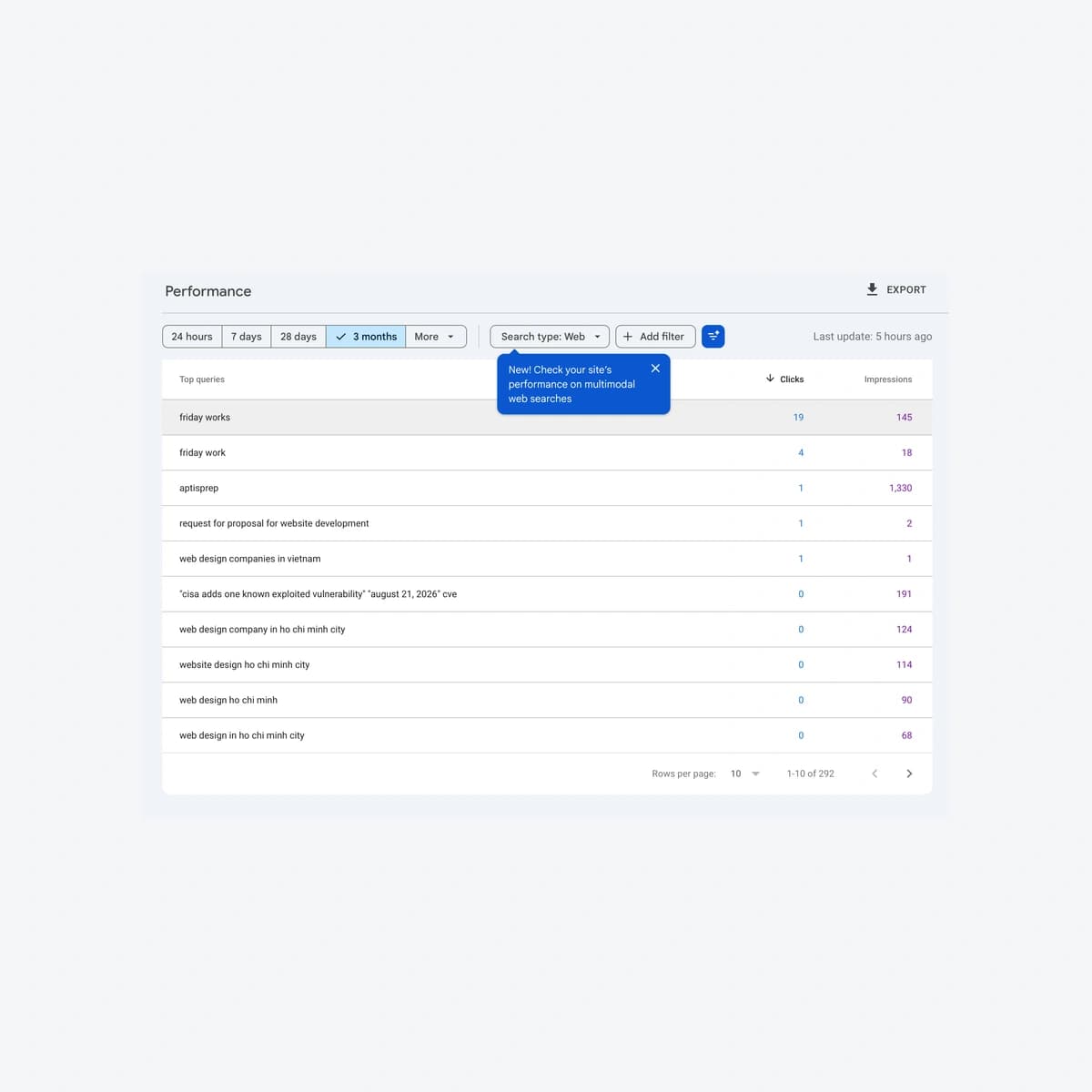
Help Google understand, cite and surface your content in traditional results and AI-powered search experiences.
↗︎Reduce risk when AI agents read untrusted content, call tools and act inside business systems.
↗︎How RAG helps AI answer from company documents with citations, access controls and a clear evaluation process.
↗︎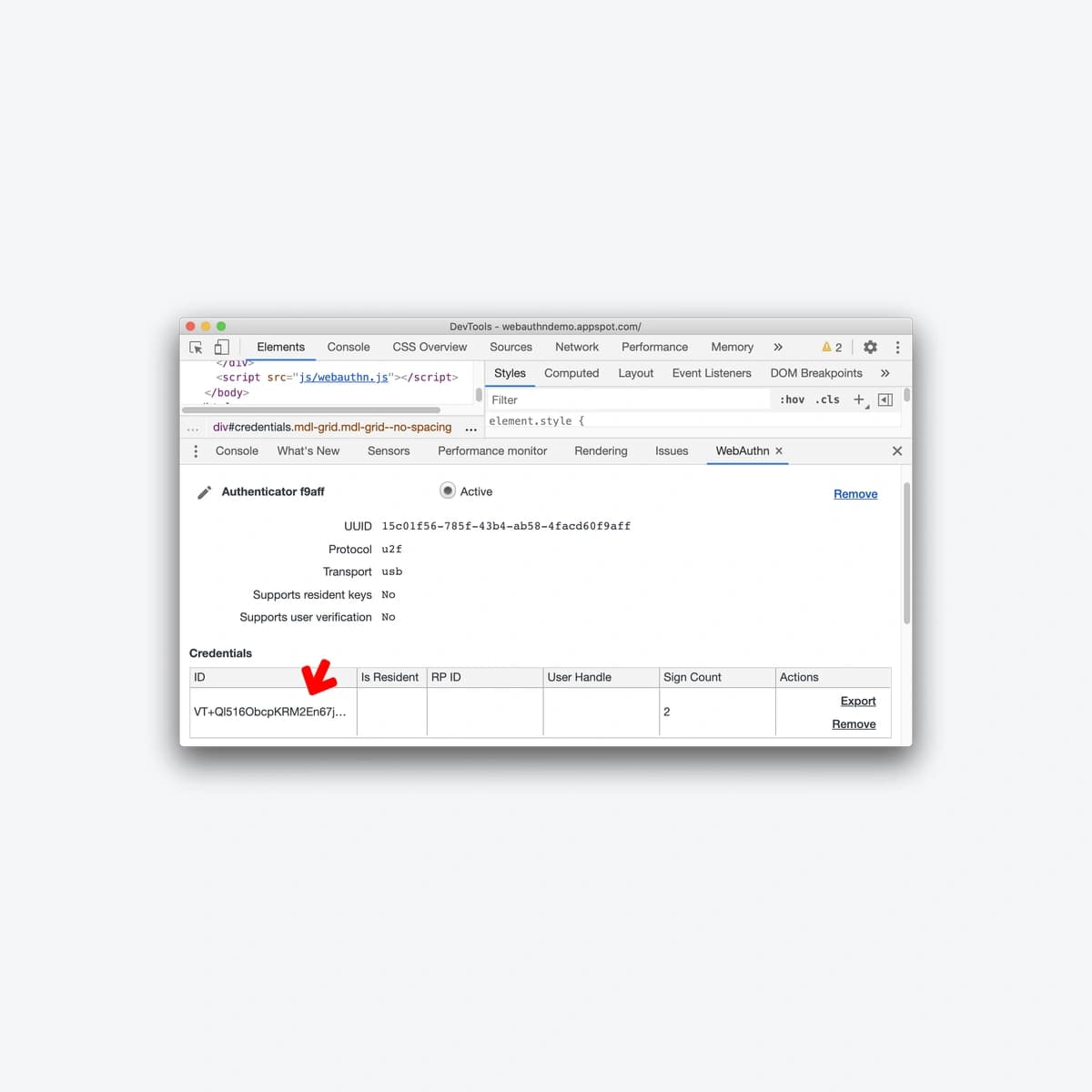
Understand phishing resistance, synced versus device-bound credentials and a risk-based enterprise rollout.
↗︎Evaluate n8n by process fit, data, operations and total cost rather than integration count alone.
↗︎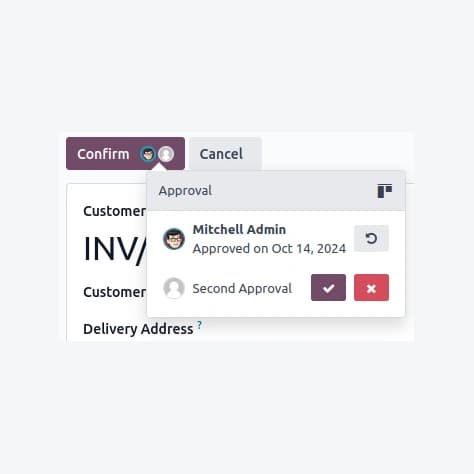
Design approvals, escalation and audit trails so AI automation moves faster without handing over the wrong decisions.
↗︎Use field data to diagnose and improve website loading speed, responsiveness and visual stability.
↗︎Understand AI agents, distinguish them from chatbots and choose a safe workflow for a 30-day pilot.
↗︎Ten foundational controls that reduce risk before a website becomes a weak point in the business.
↗︎A practical path to adopting AI by starting with the business problem, not the tool.
↗︎A website creates value when it connects brand, content, data and the sales process.
↗︎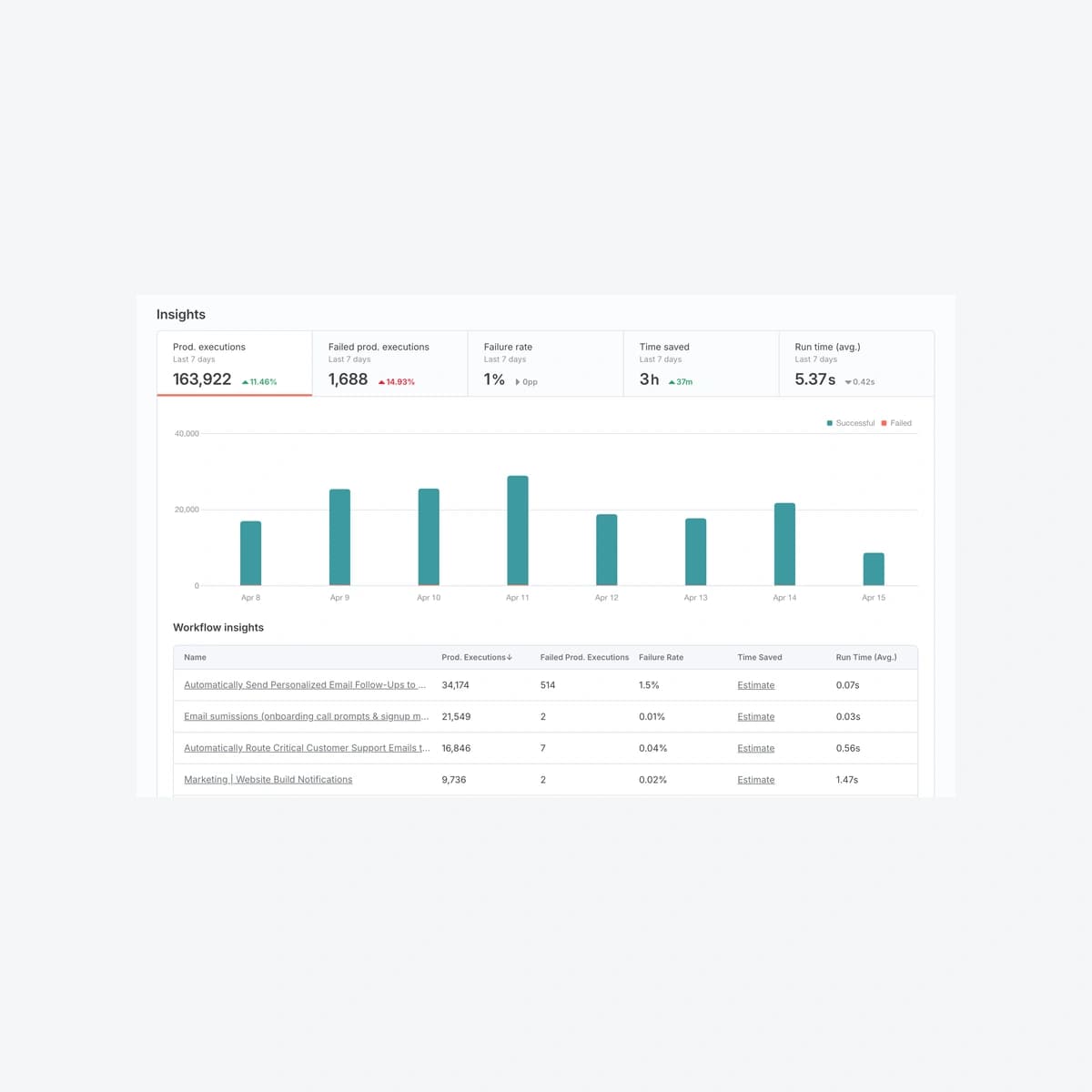
How to design automation that is controlled, observable and easy to reverse.
↗︎
 Featured article