

ContentsTap to jump to a section+
- A good automation candidate is repeated, rule-based and full of manual copying.
- Map exceptions before connecting tools.
- Automation needs a workflow owner, not only a tool operator.
Do not start with the tool
Before choosing a platform, follow one request from arrival to completion. Mark every tab switch, copy-and-paste step, approval and exception. That is the workflow worth designing.
Three signs a task is ready
It repeats each week, inputs are broadly similar and the team can explain a correct outcome. If exceptions are still unexplained, standardise them before automating.
Run small and leave a safe exit
Use logs, error alerts and a manual fallback. After a few weeks, compare runs, failures and manual effort before expanding.
FAQ
Frequently asked questions
Does automation replace employees?
Its practical purpose is to remove repeat handling so people can focus on exceptions, customers and contextual decisions.
Should it email customers on day one?
Only after copy, conditions and a stop path have been tested. Early flows should use a draft or approval step.
References
Sources used in this guide
We prioritise official guidance and primary technical sources. Visit each source for full context and the latest updates.
- Người đi làm dùng AI 6 giờ, mất thêm 6,4 giờ để 'hầu' AIVnExpress ↗︎
- Vì sao doanh nghiệp dùng AI nhiều nhưng hiệu quả thấp?VnExpress ↗︎
- Giải pháp thay đổi quy trình quản trị doanh nghiệp 3.000 nhân sựVnExpress ↗︎
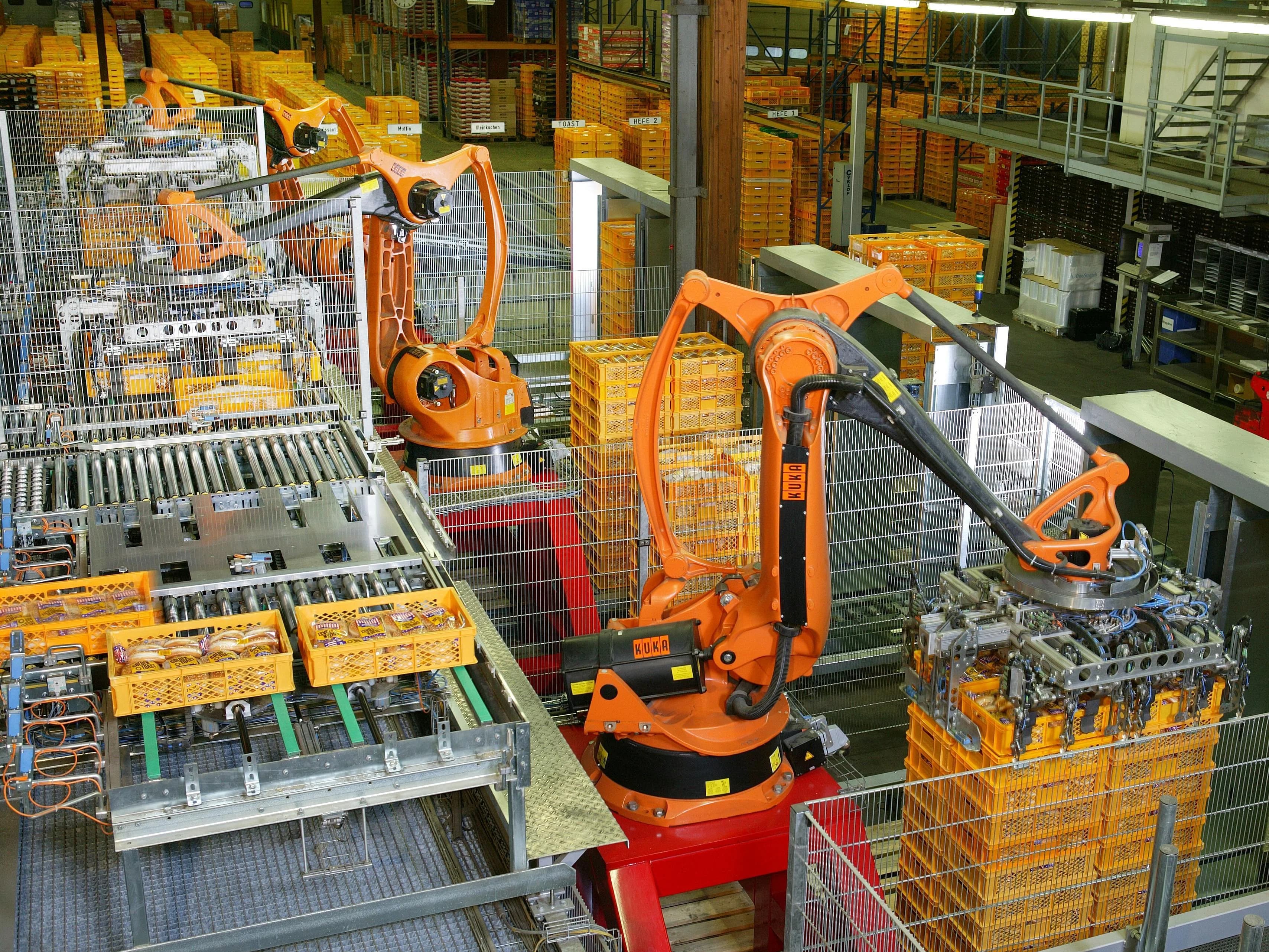
- Factory Automation Robotics Palettizing Bread — KUKA Roboter GmbH/Bachmann, Public DomainWikimedia Commons ↗︎