
Software / Web applications
Software development company in Vietnam for custom web apps
Friday Works is a software development company registered in Ho Chi Minh City, Vietnam and operating fully remotely with local and international teams. Our custom software development service turns a distinctive business workflow into an operational web app, portal, dashboard or MVP through clear scope, proportionate architecture and short release cycles that create evidence before expansion.
- Indicative budget
- 25–90 million VNDFrom one workflow module to a first web-app release; larger systems quoted after discovery
- Timeline
- 4–12 weeksFor the first release; later cycles follow usage evidence
- Delivery
- In working slicesEvery cycle ends with a build real users can try
- Handover
- Source code & documentationWith deployment and operating guides and three months of fixes
Common problems
What businesses usually ask us to solve
Situation 01
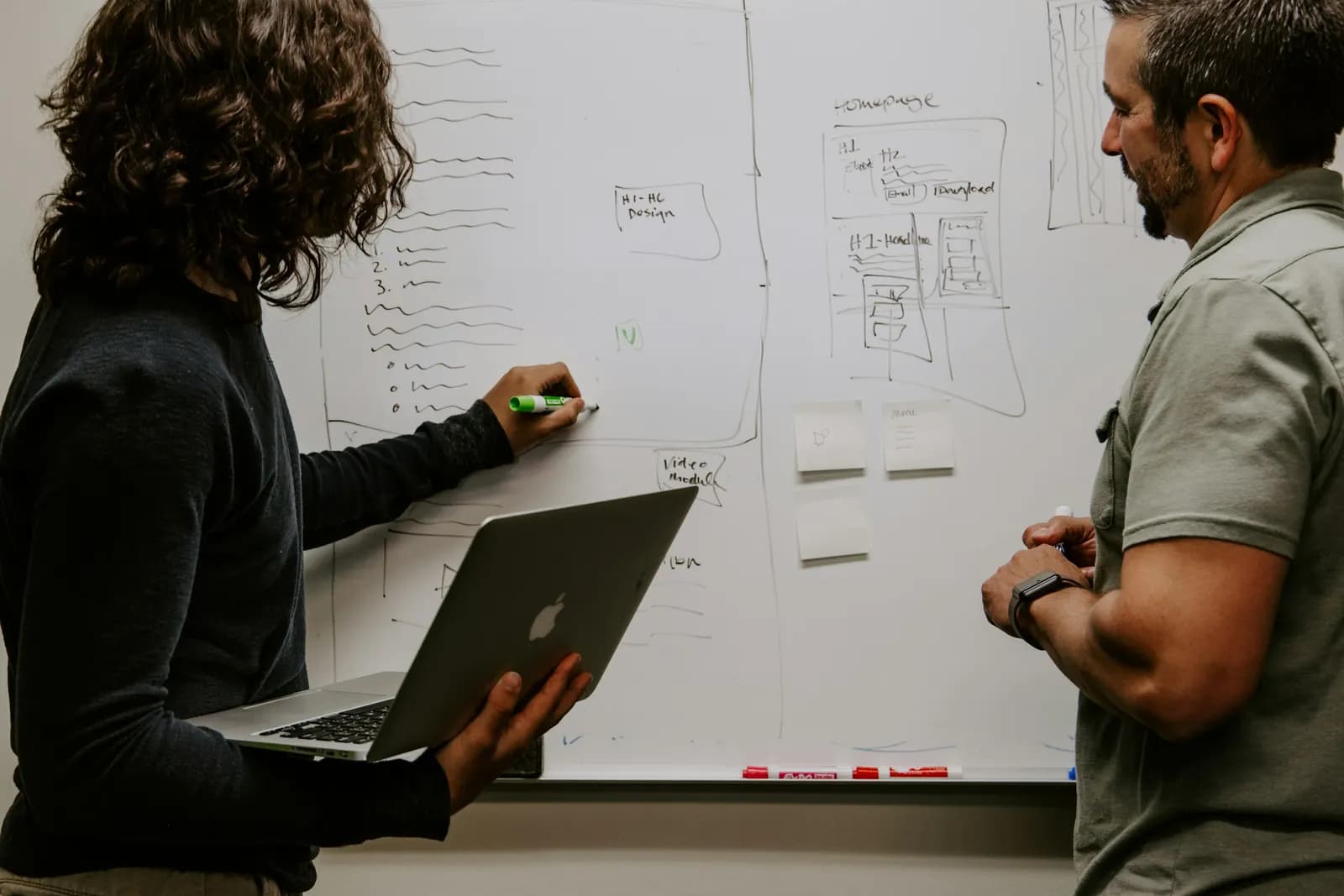
Data is spread across Excel files, and everyone keeps a different version.
How Friday Works responds
A web app with one shared database, role-based permissions and an audit trail, plus template-based Excel import and export for a gradual transition.
Situation 02
Approvals travel through email and Zalo, and nobody knows where a case is stuck.
How Friday Works responds
Every case has a status, an owner, approval levels and notifications; managers follow progress on one dashboard.
Situation 03
Packaged software has plenty of features you do not need and lacks the ones you do.
How Friday Works responds
We build only what differentiates your workflow, starting with a small working slice and expanding with real usage data.
Situation 04
You fear depending on one developer whom nobody can replace.
How Friday Works responds
Source code, architecture notes and deployment and operating guides are handed over; ownership of repositories and infrastructure is written into the contract.
Project types
Projects we typically take on
Web portals and internal systems
Bring data, permissions and operational tasks together when work is fragmented across spreadsheets, email and disconnected tools.
Operational dashboards
Consolidate important metrics and statuses so teams can monitor, reconcile and act from one place.
Digital product MVPs
Test the core product hypothesis with real users before investing in a broad platform.
Website, portal, dashboard or web app?
A good fit when
- A marketing website presents capability, content and enquiries; a portal or web app is appropriate when people must sign in, handle data, work with permissions or complete a workflow.
- A dashboard is useful when a team needs to monitor, reconcile and act on data; an MVP tests one valuable flow before wider investment.
- You have a repeated process, identifiable users and a willingness to agree acceptance criteria for the first release.
Not a fit when
- You only need a marketing website or catalogue with no operational workflow, permissions or data handling.
- You need a fixed quote for a large system before users, data flows and acceptance criteria are understood.
Work in production
Real products serving real users
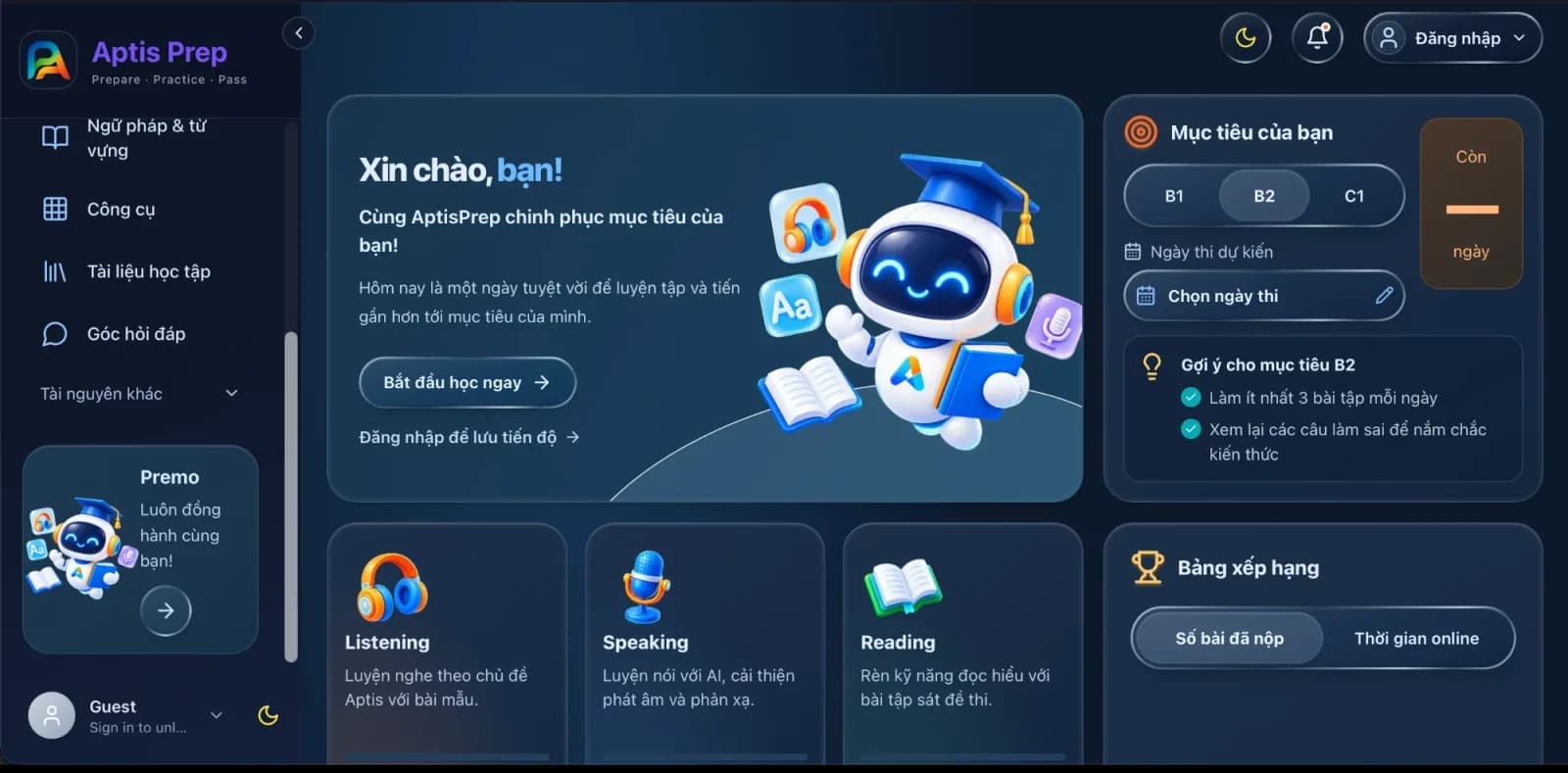 01AptisPrepLearning platform with user and operating workflowsView project↗︎
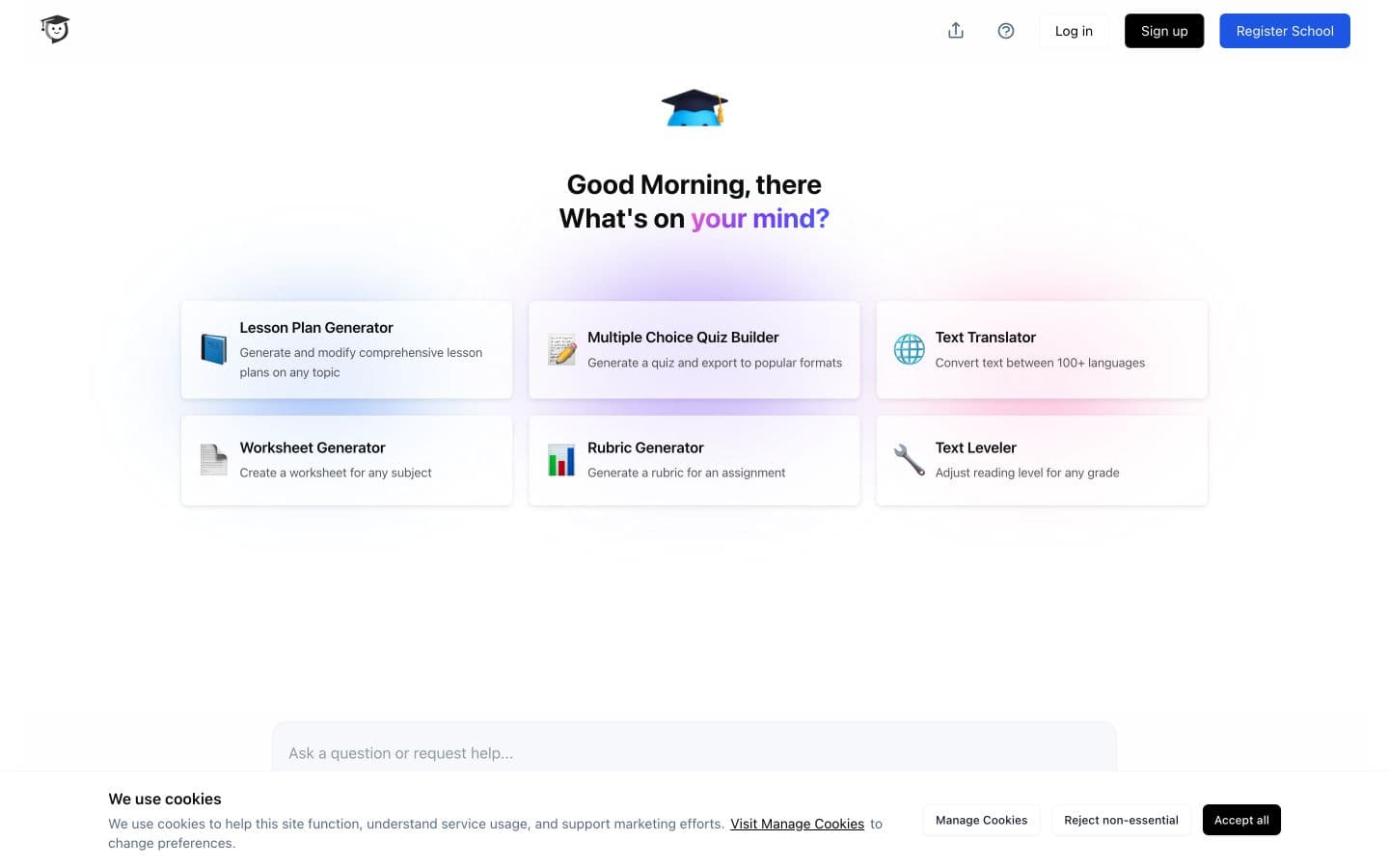 02EasySchool.aiEducation application and content administrationView project↗︎
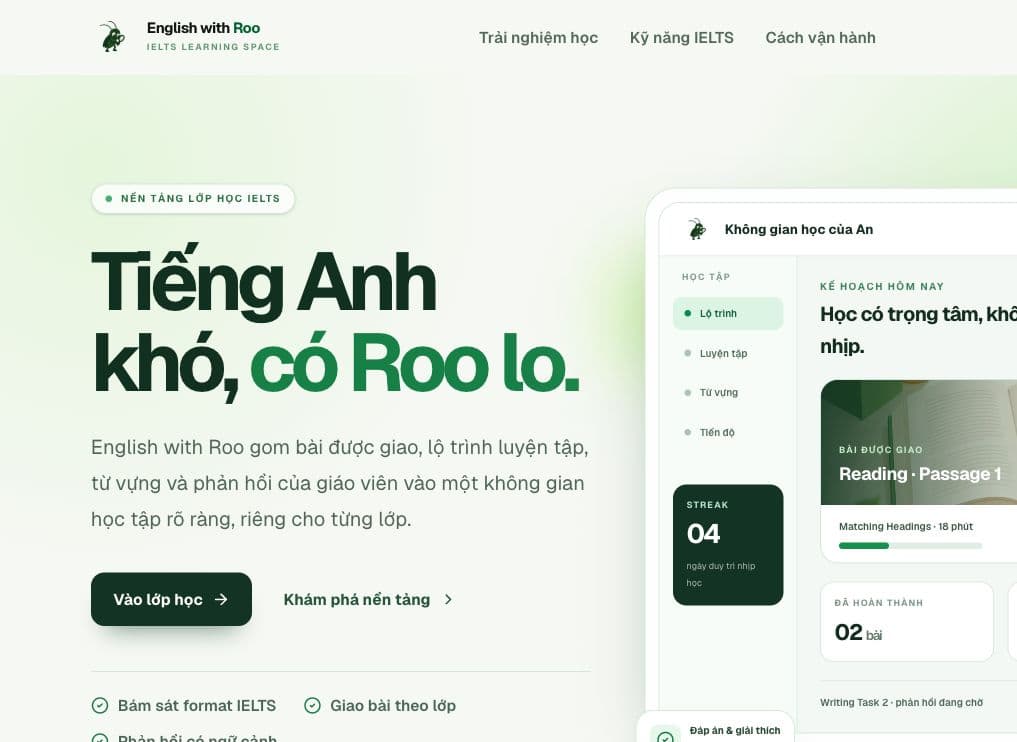 03English with RooIELTS classrooms: assignments, progress and teacher feedbackVisit product↗︎
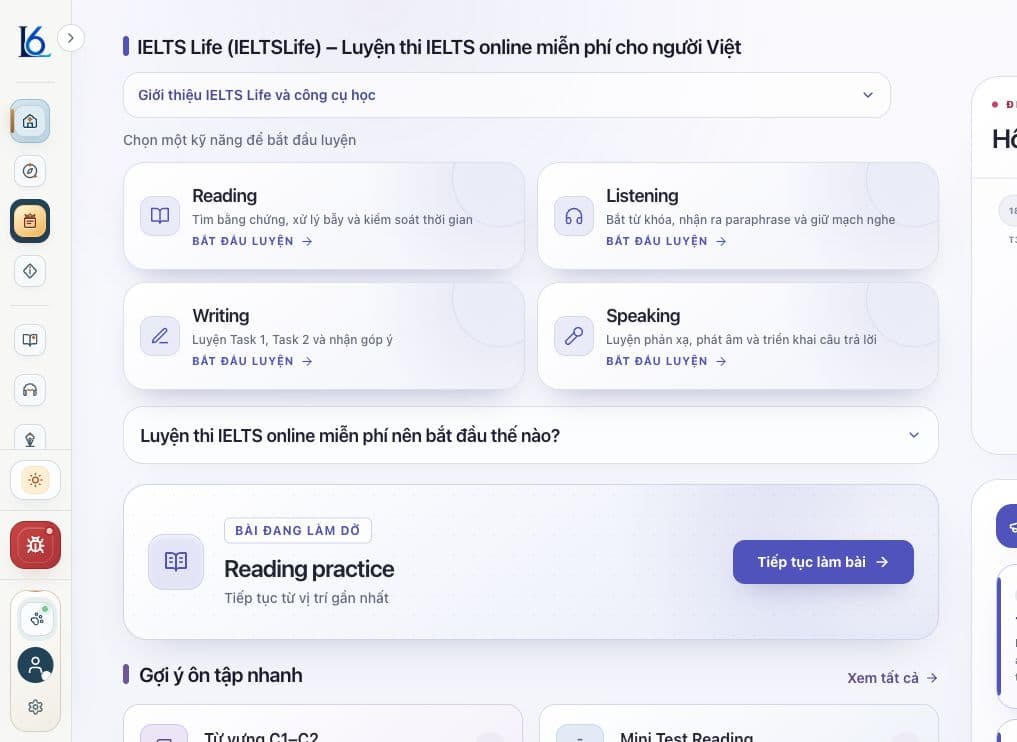 04IELTS LifeMock tests, skills practice and a progress dashboardVisit product↗︎
How we work
Step by step: who does what and what you receive
Example schedule for the first release of a web app with about ten functional screens and three roles (package S02, 8–12 weeks). One internal workflow module (package S01) is usually shorter, about 4–8 weeks.
- 01Before signing
Conversation & scope
Understand where the process breaks down and which outcome needs to change.
Friday Works does
- Hear how the current process works, who is involved and which tools are used.
- Review the forms, spreadsheets and reports the team maintains by hand.
- Propose a first-release scope, what comes later and the risks to test early.
Your part
Describe the process, the main users and the desired outcome; share the forms you use.
You receive
- A first-release scope with acceptance criteria
- A milestone schedule and quotation
CheckpointSign the proposal and pay the first instalment (40%).↗︎
- 02Weeks 1–2
Discovery: process & data
Clarify who does what, with which data and under which rules.
Friday Works does
- Interview the main users and map the current flow and its bottlenecks.
- List roles, permissions, inputs, outputs and required reports.
- Write user stories (features described from the user's point of view) with acceptance criteria.
Your part
Involve real users in interviews and settle business rules when opinions differ.
You receive
- Current and future process maps
- A prioritised user-story list with acceptance criteria
CheckpointApprove the detailed first-release scope.↗︎
- 03Weeks 2–3
Prototype & architecture
Click through the main flow before writing code, and settle the technical foundation.
Friday Works does
- Build a clickable prototype of the key screens.
- Design the data model, APIs and permissions.
- Choose the infrastructure, backups and error monitoring.
Your part
Try the prototype with a few users and give feedback.
You receive
- A prototype of the key screens
- Architecture and data-model documentation
CheckpointApprove the prototype and architecture.↗︎
- 04Weeks 3–10
Iterative development
Each cycle delivers a working slice, so you see the product long before the end.
Friday Works does
- Develop complete feature groups on a test environment.
- Write automated tests for the critical flows.
- Publish release notes after each cycle: what is done, what remains and which risks exist.
Your part
Try each build, give feedback and confirm business rules.
You receive
- A working build after every cycle
- Release notes and an updated backlog
CheckpointDemo of the core features and the second instalment (40%).↗︎
- 05Weeks 10–12
Acceptance testing & deployment
Real users test against the criteria before the system goes live.
Friday Works does
- User acceptance testing (UAT) against each user story.
- Migrate legacy data (if any) and reconcile counts and samples.
- Deploy to production with backups and error monitoring enabled.
Your part
Organise testers, confirm migrated data and agree the go-live date.
You receive
- The system running in production
- Operating and backup documentation
CheckpointGo live once the acceptance criteria are met.↗︎
- 06After go-live
Handover, warranty & next cycle
You control the system and have a roadmap for what comes next.
Friday Works does
- Train users and administrators.
- Hand over source code, accounts and technical documentation.
- Fix warranty defects and propose a backlog based on usage data.
Your part
Accept the work against the criteria and choose priorities for the next cycle.
You receive
- Source code, documentation and accounts
- Three months of fixes and a next-cycle proposal
CheckpointAcceptance and the final instalment (20%).↗︎
Deliverables
What you receive
Analysis & specification
- Process mapsThe current and future flow, showing which steps are digitised.
- User stories and acceptance criteriaEach feature has a clear definition of done used for acceptance.
- Prioritised backlogWork for later cycles, ordered by value and risk.
Design
- Clickable prototypeValidates the main flow with users before development.
- Responsive interfaceFunctional screens that work on desktop and mobile.
- UI component kitShared tables, forms, filters and states across every screen.
Working software
- Accounts and permissionsEach role sees and does only what it is allowed to.
- Core workflows and administrationProcessing steps, approvals, search, filters and an audit trail.
- Reports and data exportDashboards plus template-based Excel import and export when in scope.
- APIs when neededTo connect other systems or a future mobile app.
Engineering & handover
- Source code in a repositoryOwnership of repositories and infrastructure is written into the contract.
- Technical documentationArchitecture, data model, deployment, backup and recovery.
- User guides and trainingFor end users and system administrators.
Technology and tools we commonly use
The exact stack is chosen for each project and recorded in the proposal rather than forcing one platform onto every problem.
- Next.js / React + TypeScriptA fast interface with strict typing that stays maintainable.
- PostgreSQL or MongoDBChosen for the data model and reporting needs of the project.
- Role-based authenticationWith an audit trail for important actions.
- Monitored cloud infrastructureBackups, logs and error tracking from the first release.
Collaboration
What both sides prepare
What you prepare
- Main users who join interviews, try every cycle and run acceptance tests.
- The forms, spreadsheets, reports and process descriptions in use today.
- One person with authority to settle business rules when opinions differ.
- Sample data with sensitive details masked, for testing and migration.
- Infrastructure and domain accounts registered in the company's name.
What we check before handover
- Every user story meets its agreed acceptance criteria.
- Each role sees and does only what it is permitted to.
- Critical flows are covered by automated tests.
- Migrated data is reconciled by count and by sample.
- Backup and restore have been run successfully.
- No known critical defects remain at go-live.
Pricing
Indicative packages and how the budget is set
Related starting packages
Version 20 October 2026 · Unit: million VNDCRM / internal workflow
25–50million VND / module
Estimated: 4–8 weeks
Baseline scope. One workflow; up to five data groups, three roles and two approval levels; search/filtering, audit trail, one dashboard and template-based Excel import/export.
Not included: A full accounting/payroll system or banking integration.
Web app / learning platform
45–90million VND / first release
Estimated: 8–12 weeks
Baseline scope. One primary learning, testing or business workflow; up to ten functional screens and three roles; accounts, content administration, history, results and one basic report.
Not included: Large multi-skill platforms, AI marking, live classes, payments, mobile apps or multi-tenant SaaS.
Large system
Custom quoteafter discovery
Estimated: Architecture-led
Baseline scope. Multi-module ERP, multi-branch systems or continuously operated workloads are scoped architecturally before quotation.
Not included: Publishing accounts, servers, external services and operational requirements.
These are indicative budgets for new engagements, not fixed quotations or prices from completed contracts. Scope, schedule and cost are confirmed for each project before work begins.
Typical timelines
- Internal workflow module (S01)
- Commonly 4–8 weeks for one workflow with up to three roles and two approval levels.
- First web-app release (S02)
- Commonly 8–12 weeks for one primary workflow, up to ten functional screens and three roles.
- Multi-module systems
- Split into stages after an architecture review; later cycles follow usage evidence.
The budget depends on
- The number of user roles, workflows and business rules.
- Data complexity, reporting and migration requirements.
- The number of integrations, APIs and external services.
- Security, infrastructure, availability and operational support needs.
Proposed payment schedule
- 40%Project start
- 40%Demo & core features
- 20%Acceptance & handover
Before a quote is final
- Agree the page, feature, data and acceptance-criteria list before implementation.
- The schedule starts after scope approval, receipt of required inputs and the first payment.
- The proposal includes three months of defect correction for Friday Works' implementation after acceptance.
- Domain, hosting, email, AI/API, data, licences, third-party services and applicable tax are shown separately.
After handover
Warranty, maintenance and next steps
Three months of defect fixes
Defects in the work Friday Works delivered are fixed for three months after acceptance and are not charged as maintenance.
Monthly maintenance
2–5 million VND / month
Up to 6 hours/month · One application; log review, compatibility updates and technical support.
Support is provided during business hours, not as a 24/7 service. Infrastructure and work above the included allowance are quoted separately. Warranty defects are not charged as maintenance.Frequently asked questions
Before we begin
01What is custom software development?
Custom software development shapes an application around an organisation's workflows, user roles, data and differentiated capability instead of forcing the team to fit a packaged product. The result may be a web app, portal, dashboard, internal system or MVP delivered in testable stages.
02Does Friday Works provide software development from Vietnam?
Friday Works is registered in Ho Chi Minh City, Vietnam and operates fully remotely, delivering custom software, web apps, portals, dashboards and MVPs for local and international teams. The engagement model, communication cadence, repositories, infrastructure and handover responsibilities are agreed before delivery begins.
03What determines custom software development cost?
Custom software development cost is shaped by user roles and workflows, business-rule complexity, data and migration, API integrations, security, infrastructure and operational support. Friday Works separates discovery, prototype or MVP work and later release cycles so assumptions, outputs and the cost of change are visible before expansion.
04Should we build an MVP or the complete system?
An MVP is usually the better start: begin with the smallest end-to-end slice that can create and measure value. High-risk architecture and integrations still need early design, but every feature does not need to be built at once.
05Can Friday Works take over an existing system?
Friday Works can potentially take over an existing system after an audit of the codebase, infrastructure, data and release process. The audit determines whether to continue, refactor in stages or replace parts of the system.
06Who owns the code and data?
Code and data ownership, repositories, infrastructure and handover are defined in the proposal and agreement. Friday Works favours arrangements where the business controls its core digital assets.
07Do we need a detailed specification before starting?
A software project does not need a thick specification document before it starts. Discovery produces process maps, user stories and acceptance criteria that are sufficient for the first release; later cycles adapt to feedback from real users.
08What happens when requirements change mid-project?
Requirement changes are recorded and assessed for their effect on time and cost. Small changes can be balanced within the current cycle; changes that expand scope proceed only when both sides agree in writing.
Talk to Friday Works
Discuss the process you need to digitise
Describe the workflow, users, data and outcome you need to change. Friday Works will help define discovery, acceptance criteria and a clear MVP roadmap.
Discuss an operating problemAfter you send a request
- 01Send a short brief
Your goal, current situation and preferred timing; attachments are welcome.
- 02A reply within one business day
Friday Works sends clarifying questions or proposes an online call.
- 03Discuss the scope
Review the goal, risks and an approach that fits the budget.
- 04Receive a written proposal
Scope, milestone schedule, cost and acceptance criteria.