

ContentsTap to jump to a section+
- Cisco PSIRT confirms active exploitation; CVSS severity is 9.8/10.
- Exposure depends on AsyncOS, policy-enabled File Reputation and an older scanner package.
- Patching does not replace incident response when compromise is suspected.
A fresh warning highlights an urgent existing fix
Qatar’s National Cyber Security Agency issued an October 18, 2026 warning about Cisco Secure Email Gateway. Cisco disclosed CVE-2026-76519 on October 14 and confirms active exploitation. Organizations using the gateway should assess exposure, update the scanning component and review possible compromise now.
Cisco assigns a CVSS score of 9.8/10. An unauthenticated attacker can exploit email attachments to reach operating-system commands running as root, the highest administrative privilege. The exploitation statement comes from Cisco PSIRT rather than an inference from a vulnerability identifier.
Check the affected configuration, not just the product name
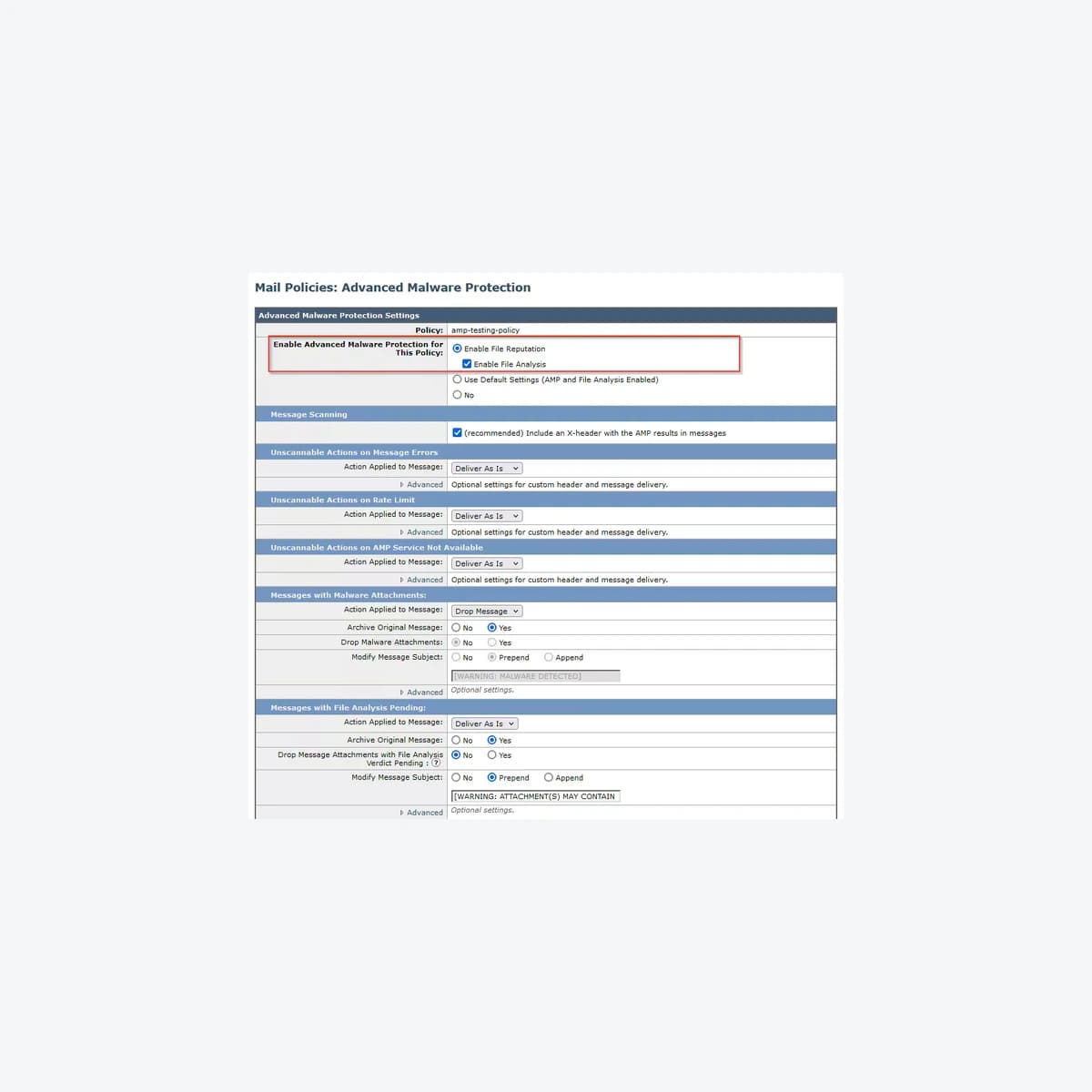
The advisory covers physical and virtual gateways on affected AsyncOS releases when File Reputation is enabled and assigned to a mail policy, and Content Scanner Tools is older than 25.3.0.5525. File Reputation evaluates file trust. Product inventory alone does not establish whether those conditions are present.
Friday Works recommends recording the operating-system version, scanner version, incoming/outgoing policies and each cluster member. For a two-gateway installation, checking one appliance cannot clear the other. Keep an owner and a verification timestamp for every device.
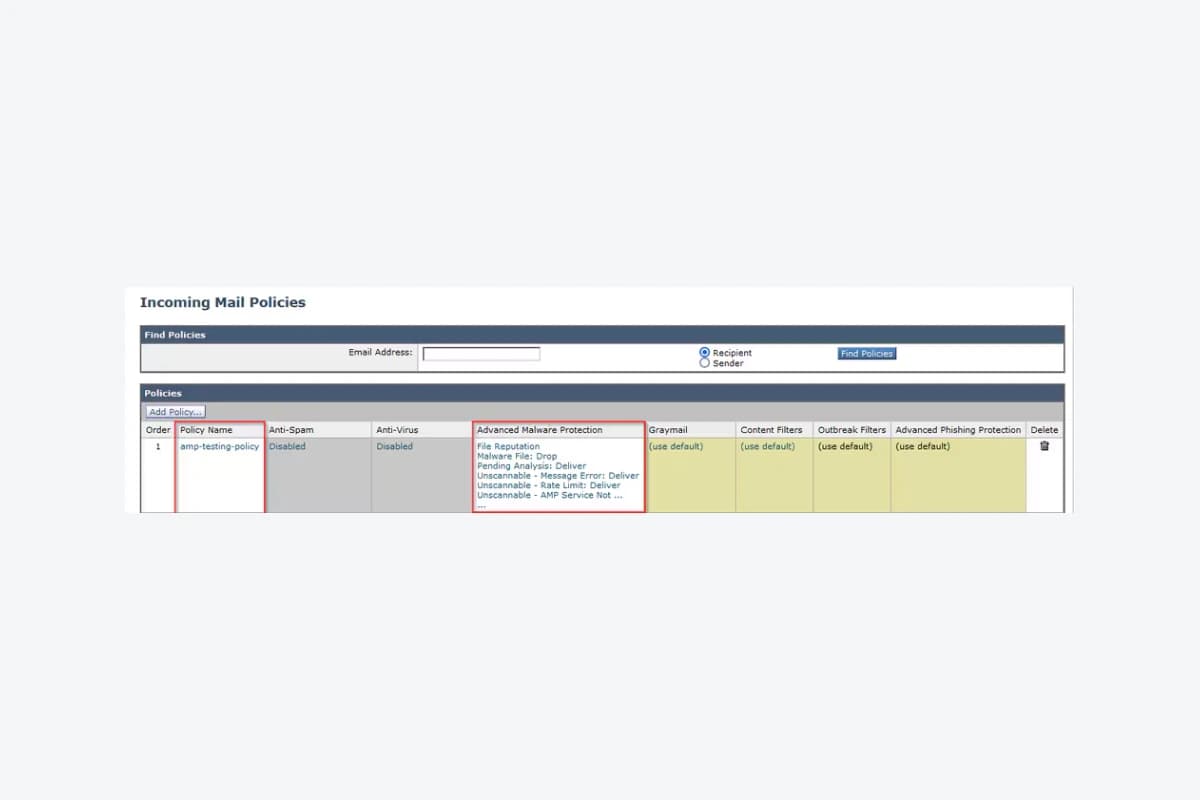
Verify the software release and scanner package
Cisco lists AsyncOS 15.5.5-014 and 16.5.0-780 as fixed releases for their respective branches; the 16.0 branch must migrate. The scanner fix is also delivered in Content Scanner Tools 25.3.0.5525 or later for licensed, supported releases.
Cisco says the scanner update does not require a restart. Authorized administrators can inspect contentscannerstatus and request an update with contentscannerupdate. Read the installed version again afterward: an accepted update request is not proof of completed installation.
Cisco provides no workaround that resolves the vulnerability. Its managed Secure Email Cloud Gateway infrastructure has received the fixed package. Customers should still act on individual incident notices rather than treating an infrastructure update as evidence that earlier exposure was harmless.
Suspected compromise requires evidence preservation
Cisco warns that root access can let an attacker hide evidence. An absence of local indicators therefore cannot prove that exploitation never occurred. External network and firewall logs matter, and suspected cases should be escalated to Cisco TAC.
Friday Works recommends separate tracks for routine remediation and suspected compromise. Preserve logs and access records before changes that could erase evidence, and assign an incident owner. Restarting a device merely to clear an alert can destroy useful context.
The operational checklist is appliance-by-appliance scope, before/after scanner versions, update status, external-log review, vendor notices and named ownership of suspicious findings. This October 19 report retains the original October 14 advisory and October 18 NCSA warning dates.
References
Sources used in this guide
We prioritise official guidance and primary technical sources. Visit each source for full context and the latest updates.
- Cisco advisory cisco-sa-esa-afw-zqYJkjxp; first published 14 October 2026; affected/fixed versions and confirmed exploitationCisco PSIRT ↗︎
- NCSA cybersecurity advisories — Cisco Secure Email Gateway warning dated 18 October 2026National Cyber Security Agency, Qatar ↗︎
- Courtesy of Cisco Systems, Inc. Unauthorized use not permitted. Captured 19 October 2026 from public Cisco.com; vendor lab UI from document updated 25 October 2024, original red annotations retained. Proportional resize and neutral margins.Cisco Systems, Inc. / capture Friday Works ↗︎
- Cisco public webpage screen-capture permission §6; credit, source URL and capture date retained, no endorsement; copyrighted, not CCCisco ↗︎