

ContentsTap to jump to a section+
- GitLab published an emergency fix on October 21, 2026 for CVE-2026-110264, rated CVSS 10.0 by the vendor. Under certain conditions an unauthenticated attacker could execute arbitrary code on a GitLab server. Self-managed Community Edition and Enterprise Edition operators should inventory and upgrade; the October 12 patch does not resolve this separate issue.
- The flaw involves integer overflow while compiling a regular expression. CVSS describes technical severity; it does not measure the percentage of compromised organizations or the probability that an individual attempt succeeds.
A separate emergency patch has shipped
GitLab published an emergency fix on October 21, 2026 for CVE-2026-110264, rated CVSS 10.0 by the vendor. Under certain conditions an unauthenticated attacker could execute arbitrary code on a GitLab server. Self-managed Community Edition and Enterprise Edition operators should inventory and upgrade; the October 12 patch does not resolve this separate issue.
This October 23 report explicitly covers the October 21 release. The selection window exceeds 48 hours because of the severity and long affected-version history. GitLab.com is already patched, so SaaS customers do not upgrade GitLab’s servers themselves.
GitLab Dedicated tenants running 19.3.5-internal0, 19.4.2-internal0 or later already include the fixes according to GitLab. Confirm deployment type and installed build before planning maintenance.
Why the development platform is a sensitive asset
The flaw involves integer overflow while compiling a regular expression. CVSS describes technical severity; it does not measure the percentage of compromised organizations or the probability that an individual attempt succeeds.
A development platform can hold source code, automation configuration and service credentials. Friday Works’ risk assessment is that a confirmed compromise may require reviewing source changes and delivery pipelines as well as restoring availability. This is a potential impact analysis, not evidence of a customer breach.
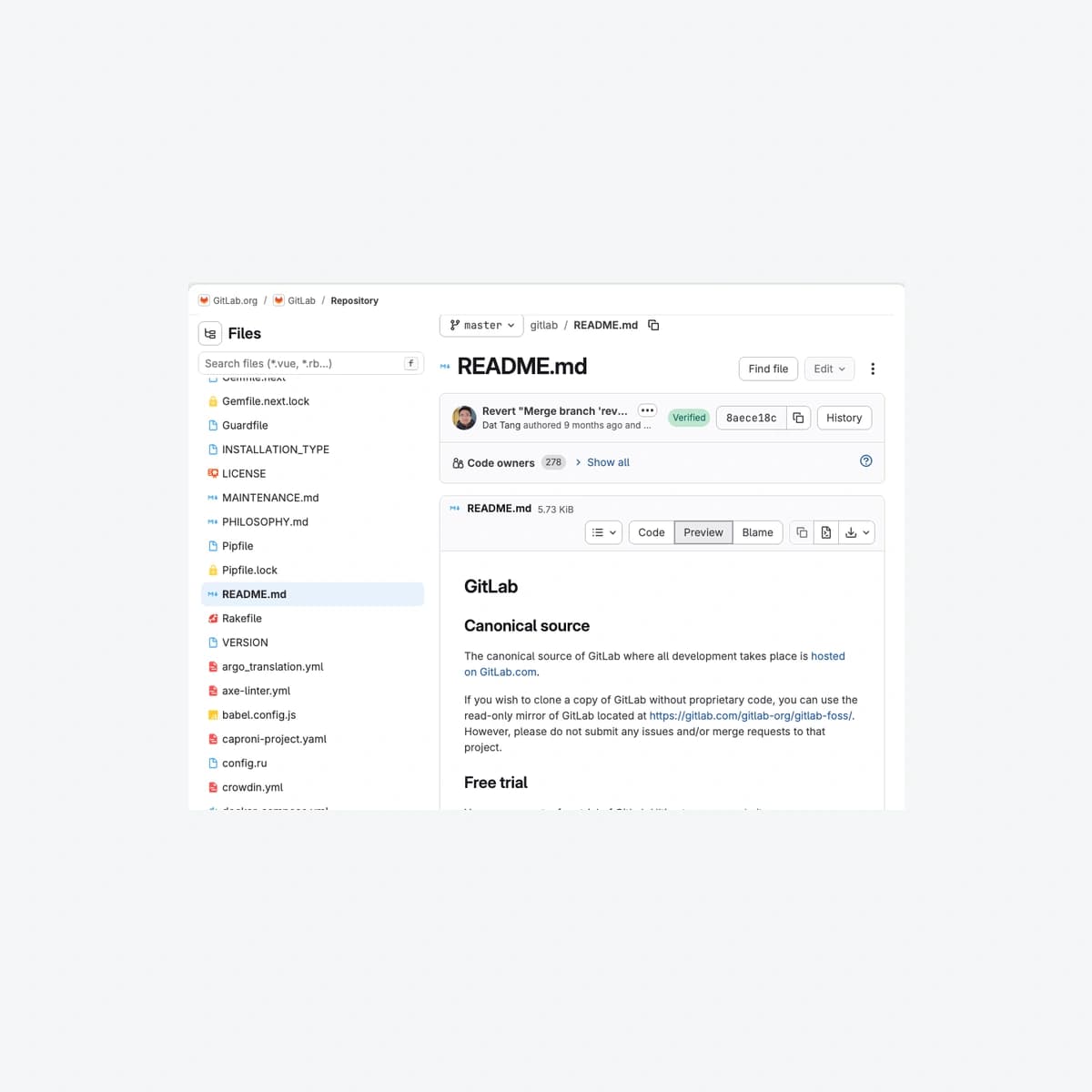
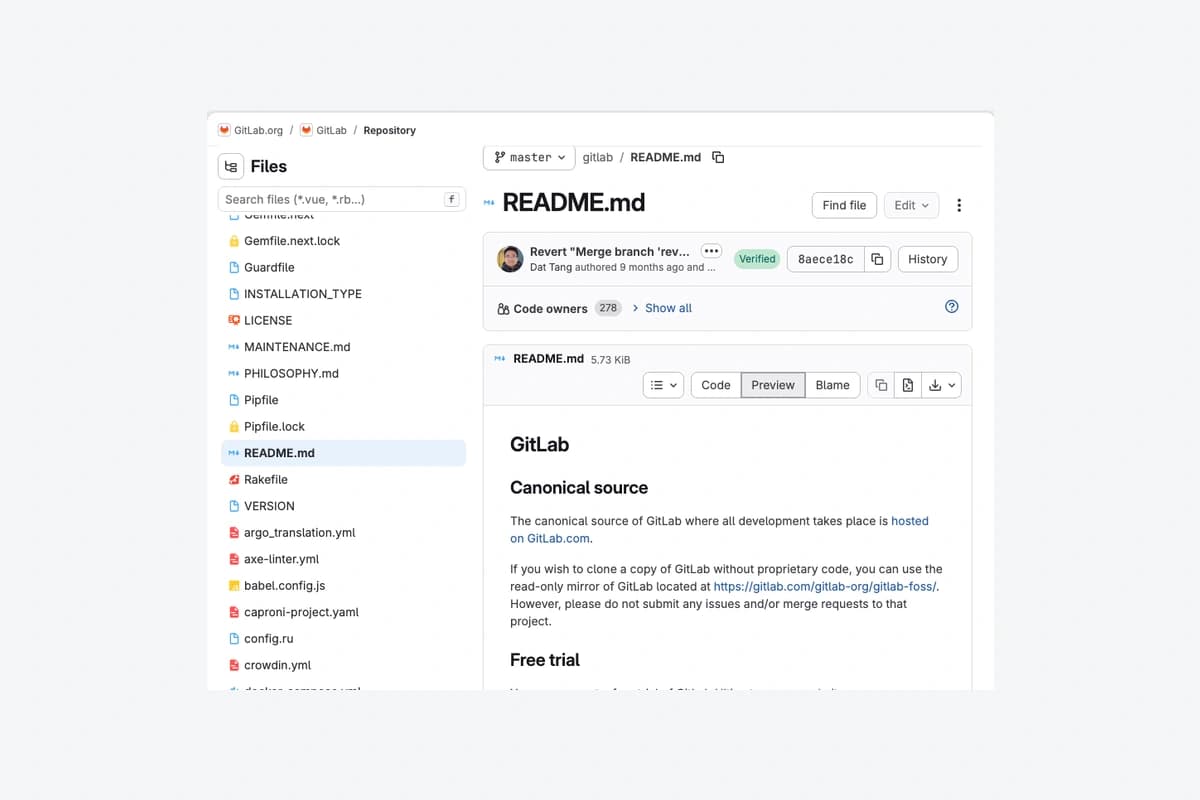
The accompanying original capture shows GitLab’s own public repository in the real GitLab interface on October 23. It is neither proof of a customer’s patch state nor incident evidence.
Match the fix to the installed release line
Fixed releases are 18.11.13, 19.0.10, 19.1.9, 19.2.9, 19.3.6, 19.4.3 and 19.5.1. The affected history starts at 7.0, with a different fixed threshold for each branch. A 19.x version number alone is insufficient evidence of remediation.
For older installations, use GitLab’s supported upgrade path and required stops. Backporting this critical fix does not establish that an older line has regained full support or received every other correction.
Friday Works recommends a verified backup and recovery plan, checking the installed build through official administration tools, and updating the package appropriate to the deployment. Verify all serving nodes or containers, not only an image tag in configuration.
Detection guidance is not a confirmed victim count
GitLab provides two detections for self-managed operators: Onigmo native worker crash and Org mode render error burst. Investigate matching events with the original rule and timeline; an ordinary application crash alone is not proof of an attack.
The examined vendor notice does not establish a victim count or an in-the-wild exploitation campaign. A CVE, a maximum score and detection guidance do not establish confirmed compromise. Equally, missing public evidence does not justify postponing this high-impact fix.
After upgrading, retain build and completion evidence, test sign-in and repository access, and run a harmless automation check. Review historical telemetry. If credible compromise indicators exist, initiate incident response and assess credential revocation separately; patching alone does not prove eradication.
References
Sources used in this guide
We prioritise official guidance and primary technical sources. Visit each source for full context and the latest updates.
- Critical patch release, published 21 October 2026; accessed 23 OctoberGitLab ↗︎
- Supported upgrade pathsGitLab ↗︎
- Find installed versionGitLab ↗︎
- Original GitLab repository UI capture, Friday Works, 23 October 2026; public repository, deployment version unspecified; proportional resize and neutral framing; not patch evidenceGitLab / Friday Works ↗︎
- GitLab source and README MIT licence; full notice retained locally; trademarks remain with GitLabGitLab ↗︎
- CVE record assigned by GitLab, published 22 October 2026; event release remains 21 OctoberGitLab CNA / CVE Program ↗︎