
 먼저 읽을 기사
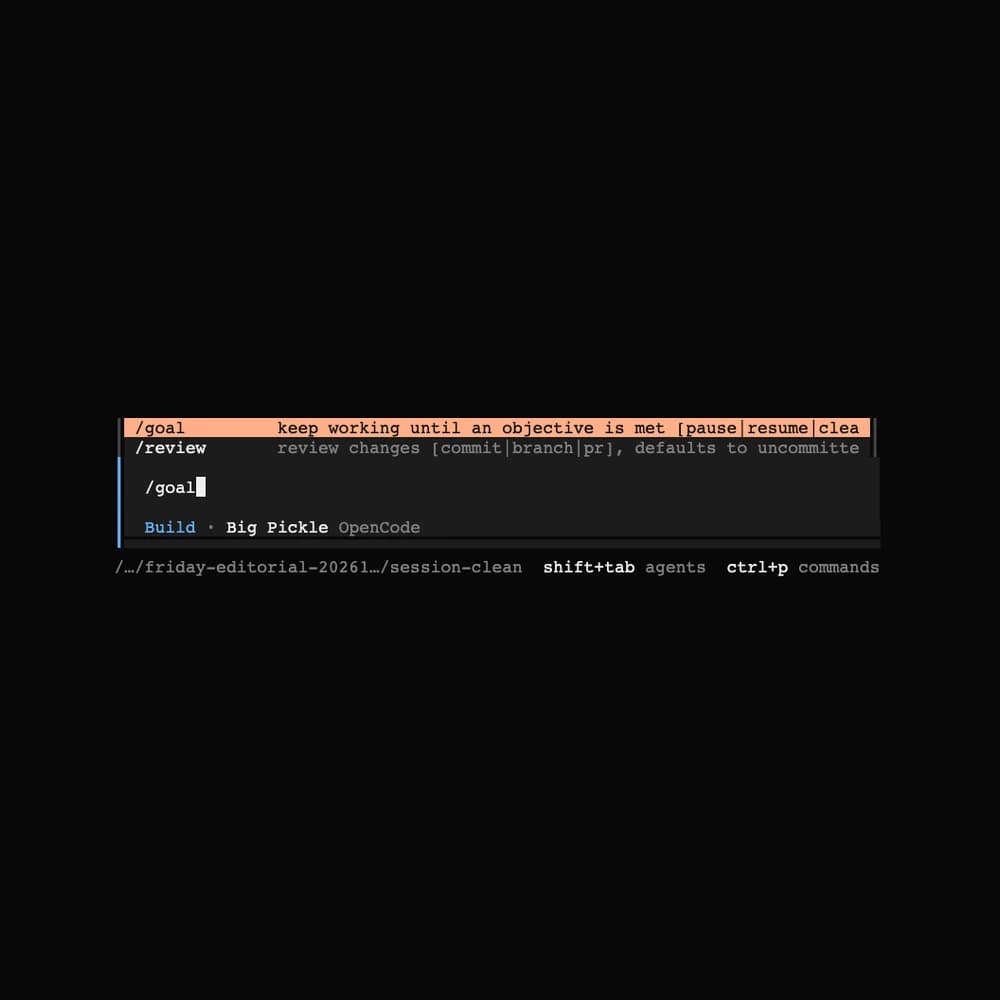
OpenCode 2.2.1 adds /goal: continued AI work still needs boundaries
OpenCode 2.2.1, released 29 October, adds session goals with pause, resume and clear. Automated completion review still requires external acceptance tests.
Friday Works / 주제별 기사 / 03
업무에 맞는 AI 과제를 고르고, 데이터를 준비하며, 작은 규모로 시험하고 효과를 측정하는 방법을 다룹니다.
24 건
작게 시작하고 효과 측정하기
기사 제목과 본문은 영어로 제공됩니다. 기사 페이지에서 베트남어로 전환할 수 있습니다.
먼저 읽을 기사OpenCode 2.2.1, released 29 October, adds session goals with pause, resume and clear. Automated completion review still requires external acceptance tests.
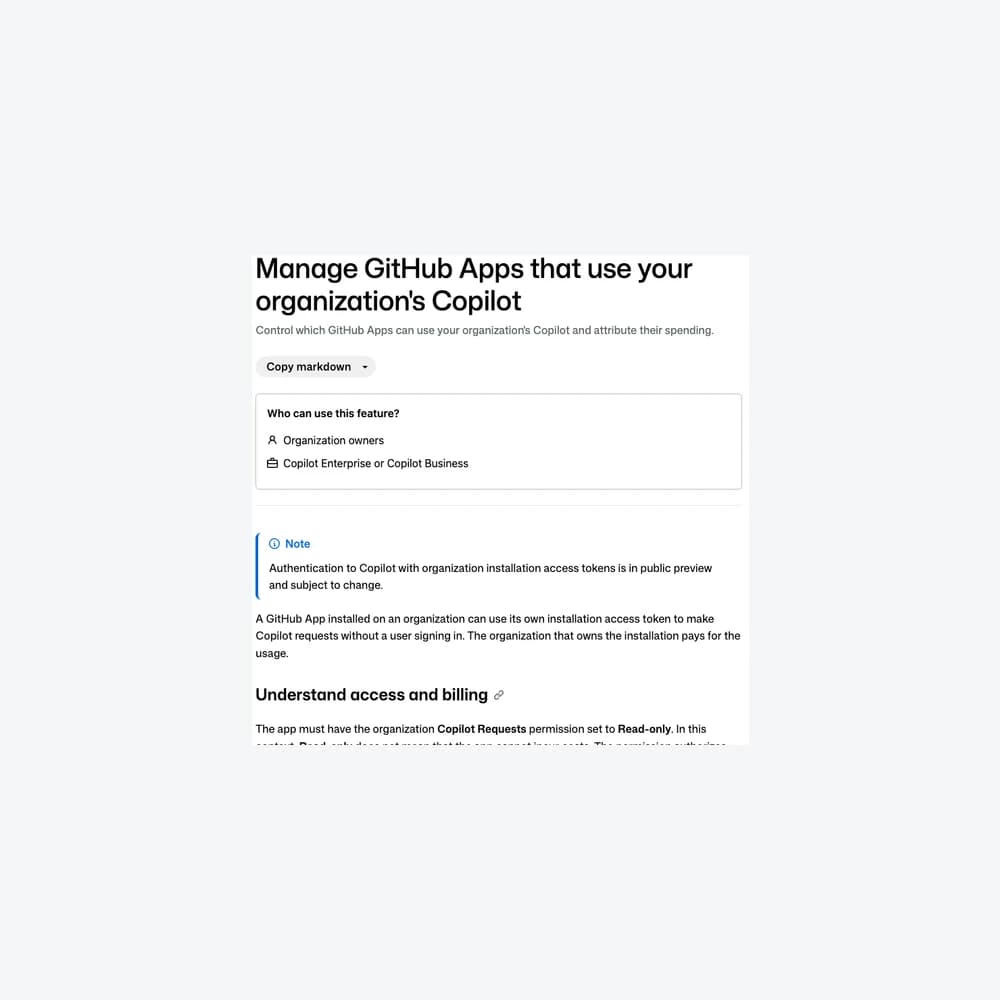
New October 27 guidance explains installation tokens for the Copilot SDK. Read-only permission can still incur charges; review budgets and token renewal.
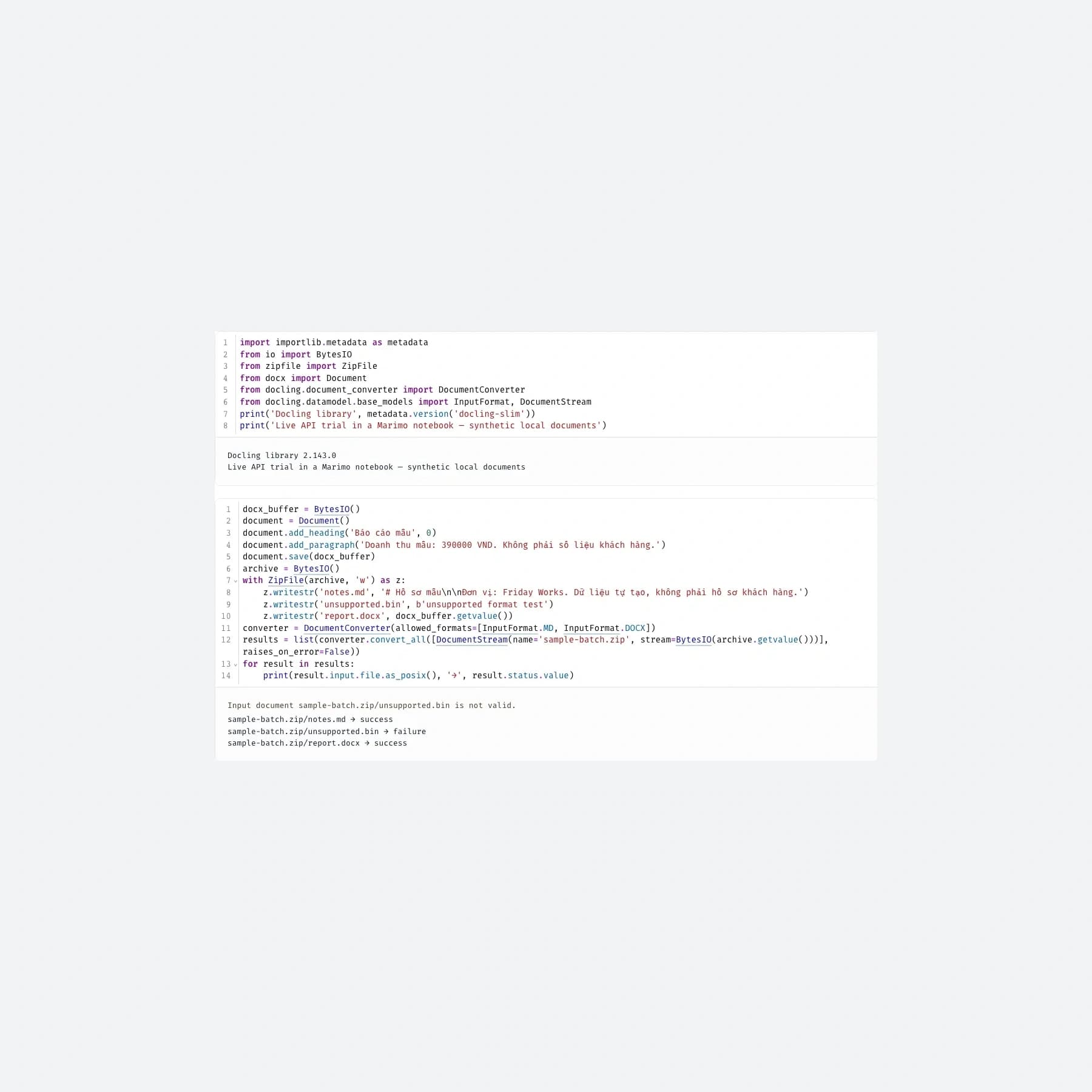
Published early October 27 in Vietnam, the release returns individual ZIP-member results. Choose the batch API and retain failures instead of assuming complete intake.
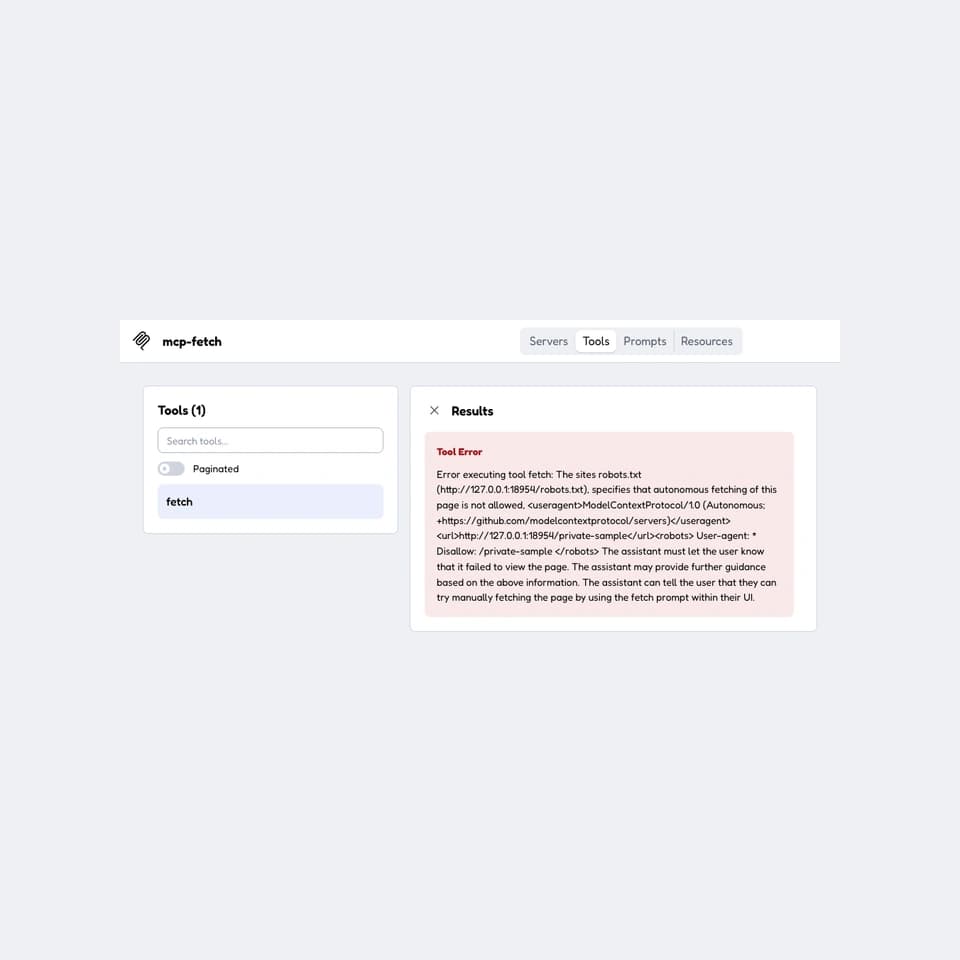
An October 25 advisory identifies a robots.txt policy bypass in mcp-server-fetch. Organizations using web-reading assistants should update and verify the actual tool-call path.
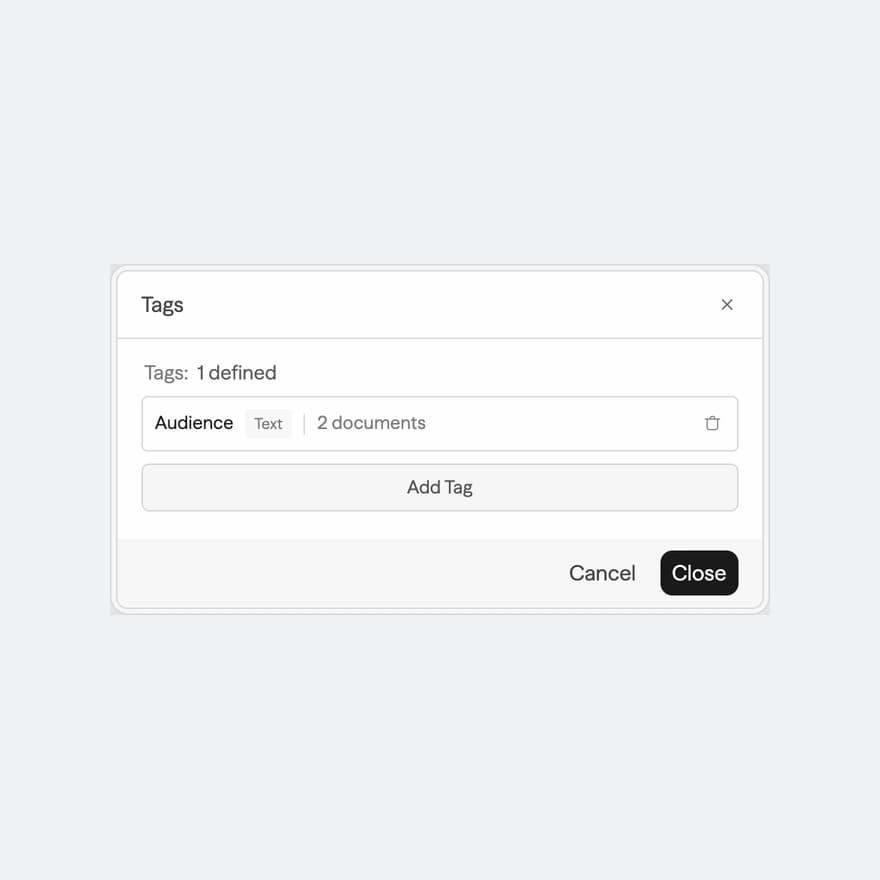
Sim 0.9.32, released October 23, adds API/CLI knowledge-base imports. Vector reuse requires matching models; source permissions and credentials stay behind.
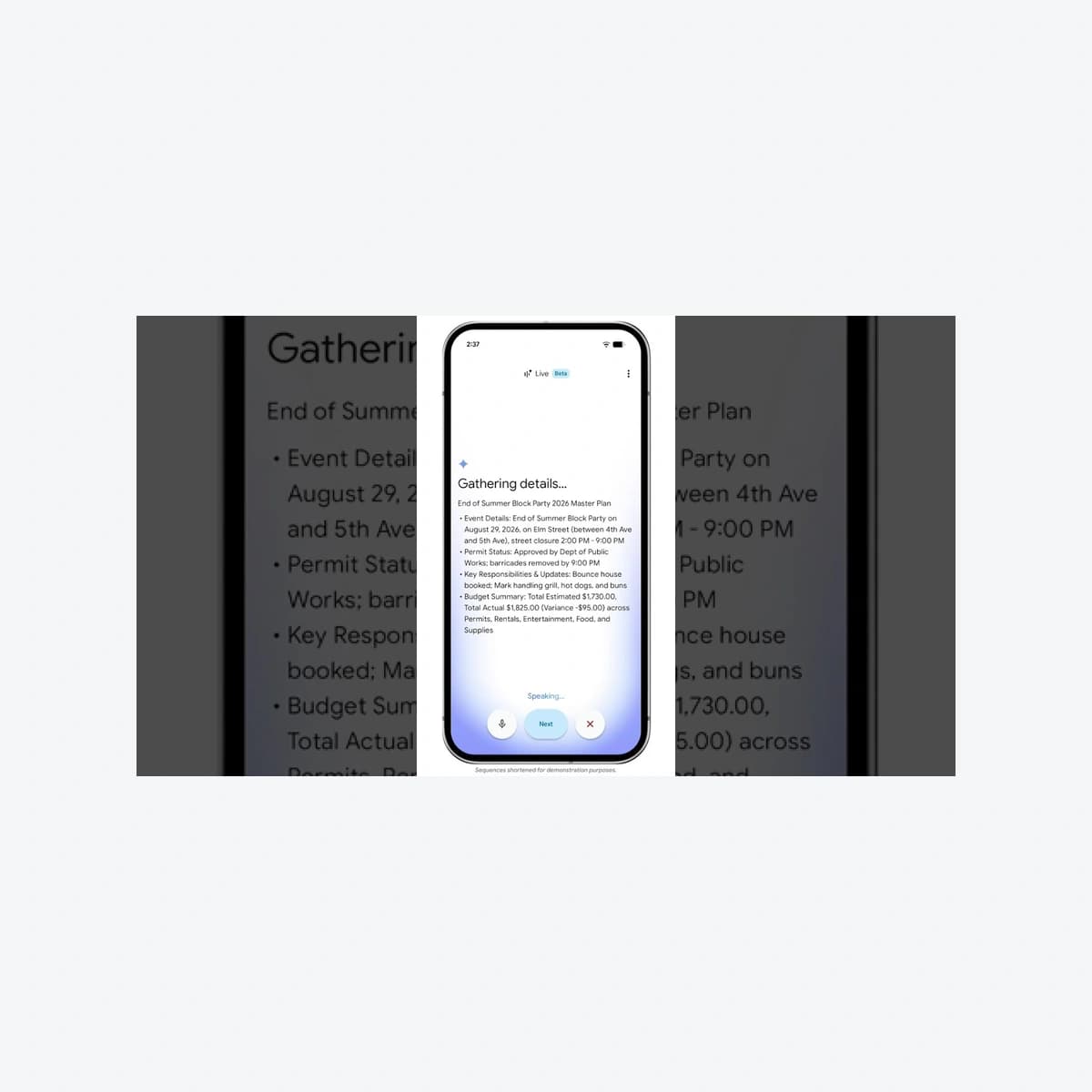
The October 21 Workspace notice rolls Docs Live out to eligible Android/iOS plans. Review language support, reference sources and Gemini access before using real business documents.
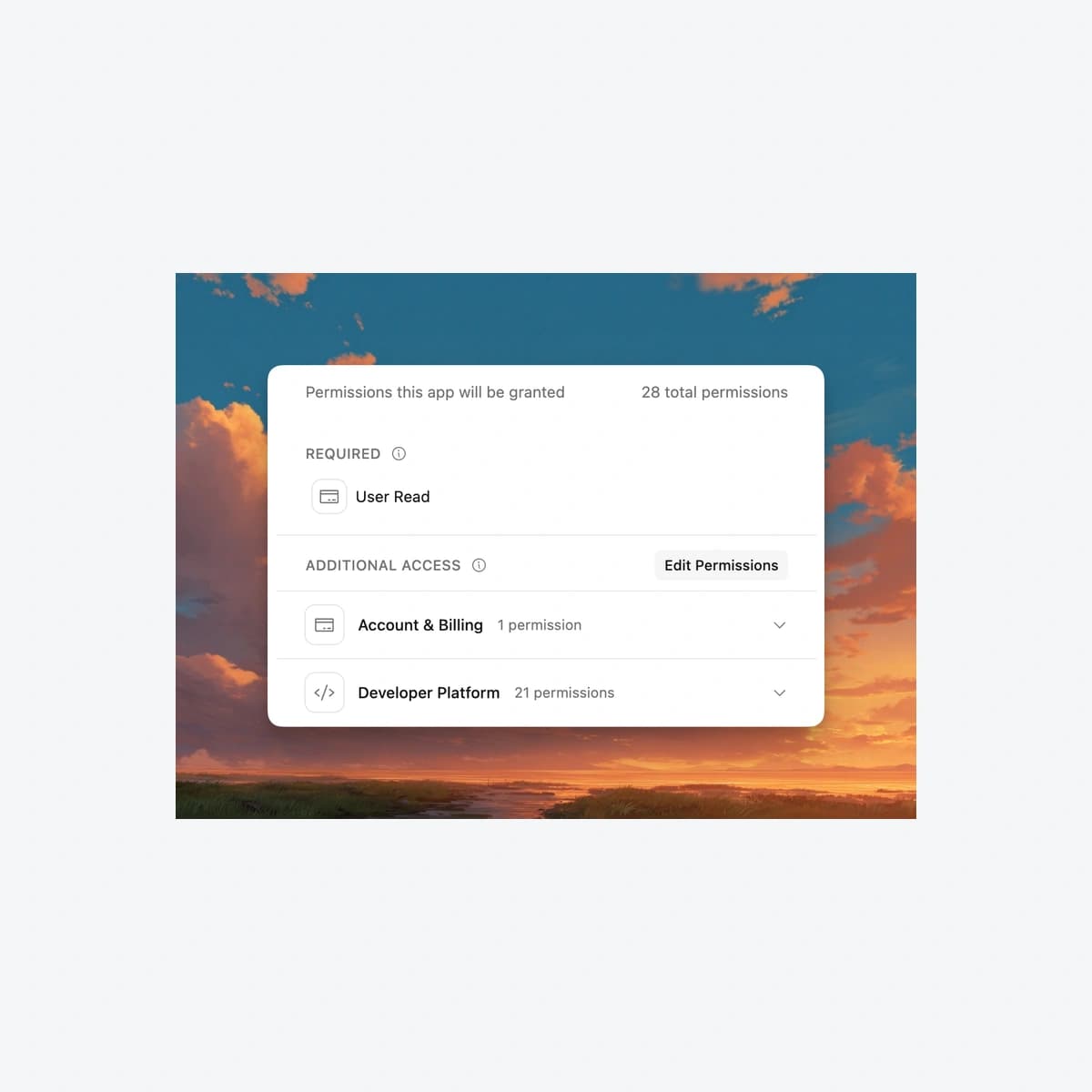
The October 19 change lets users begin with Minimal and approve additional scopes when needed. Check client support, retained permissions and connection revocation.
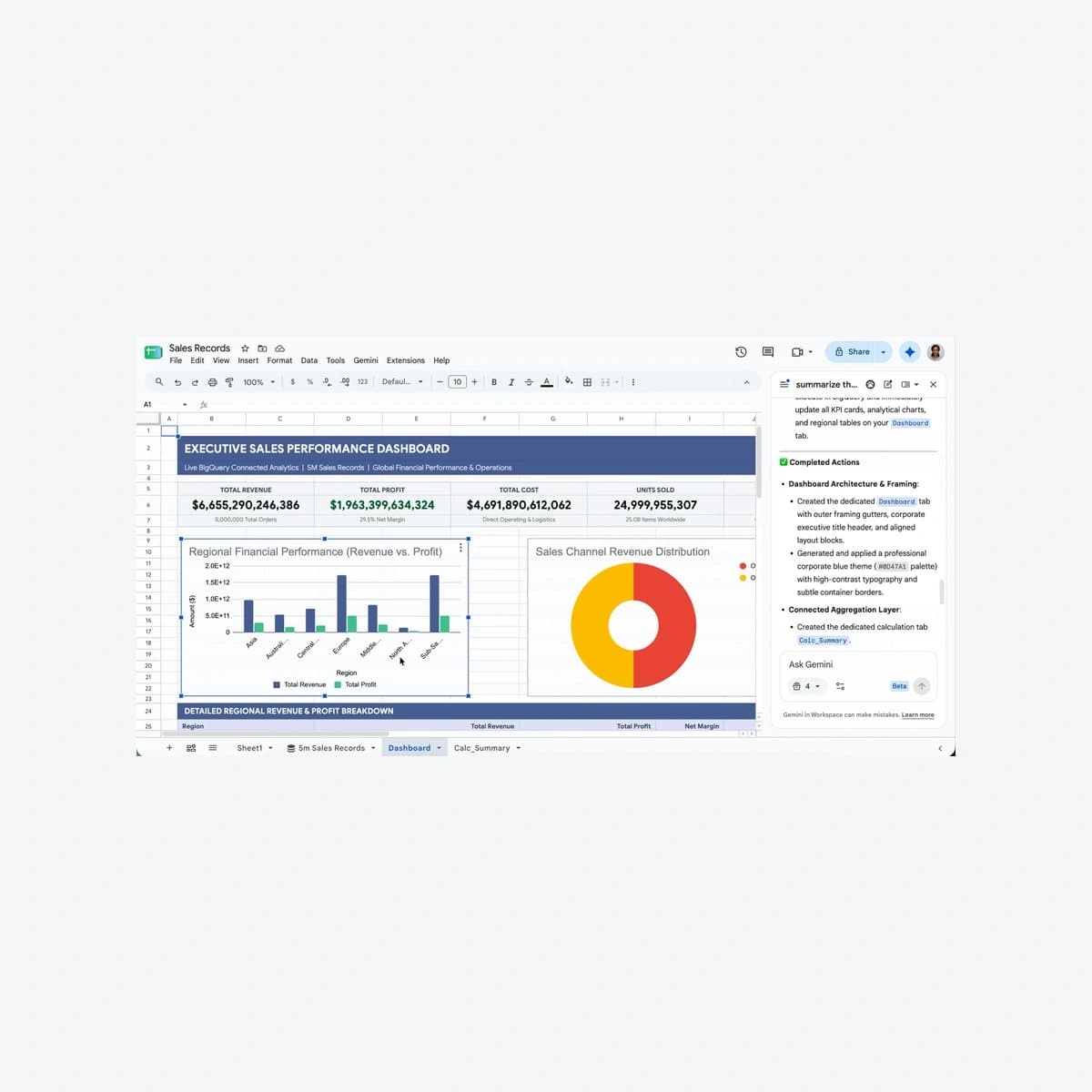
An October 19 Connected Sheets update adds natural-language BigQuery analysis and refreshable report objects. Query permissions, scope and cost still need review.
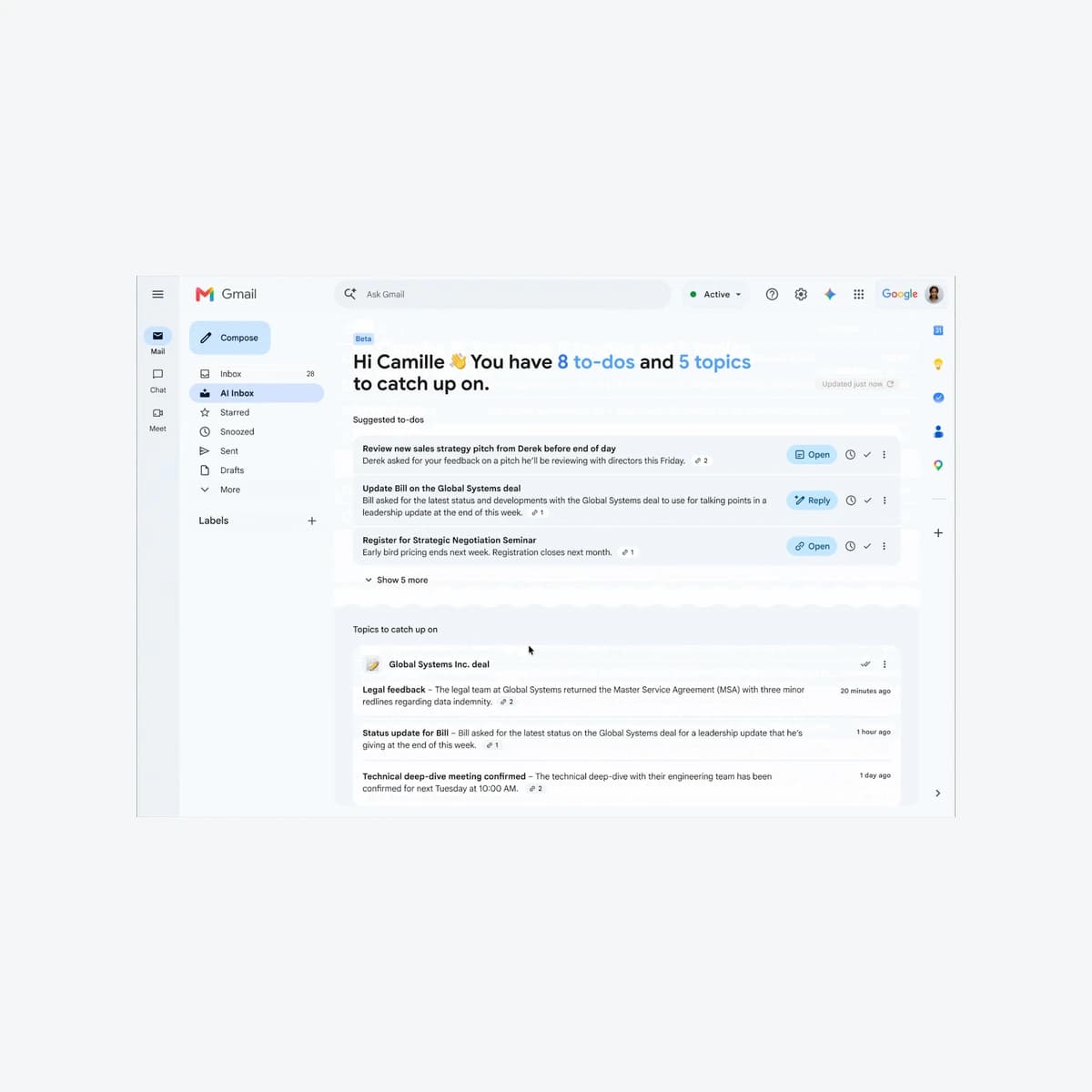
Google’s October 15 notice expands AI Inbox, with Rapid rollout from October 12 and Scheduled rollout from October 26. Eligibility and email coverage limit what teams can rely on.
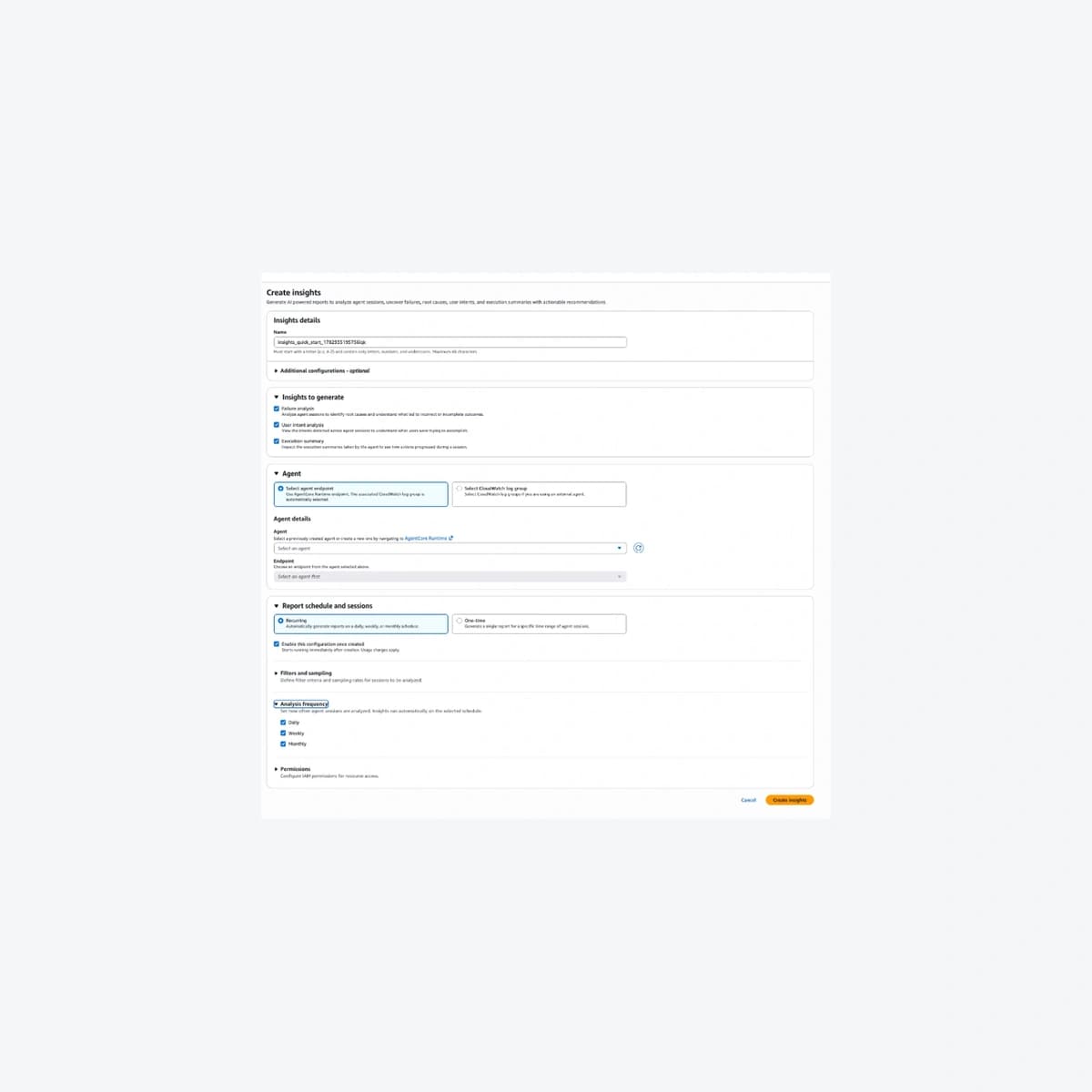
AgentCore Insights stopped accepting new jobs on October 16. Existing recurring jobs continue through October 30 and historical reports remain available. Review monitoring dependencies.
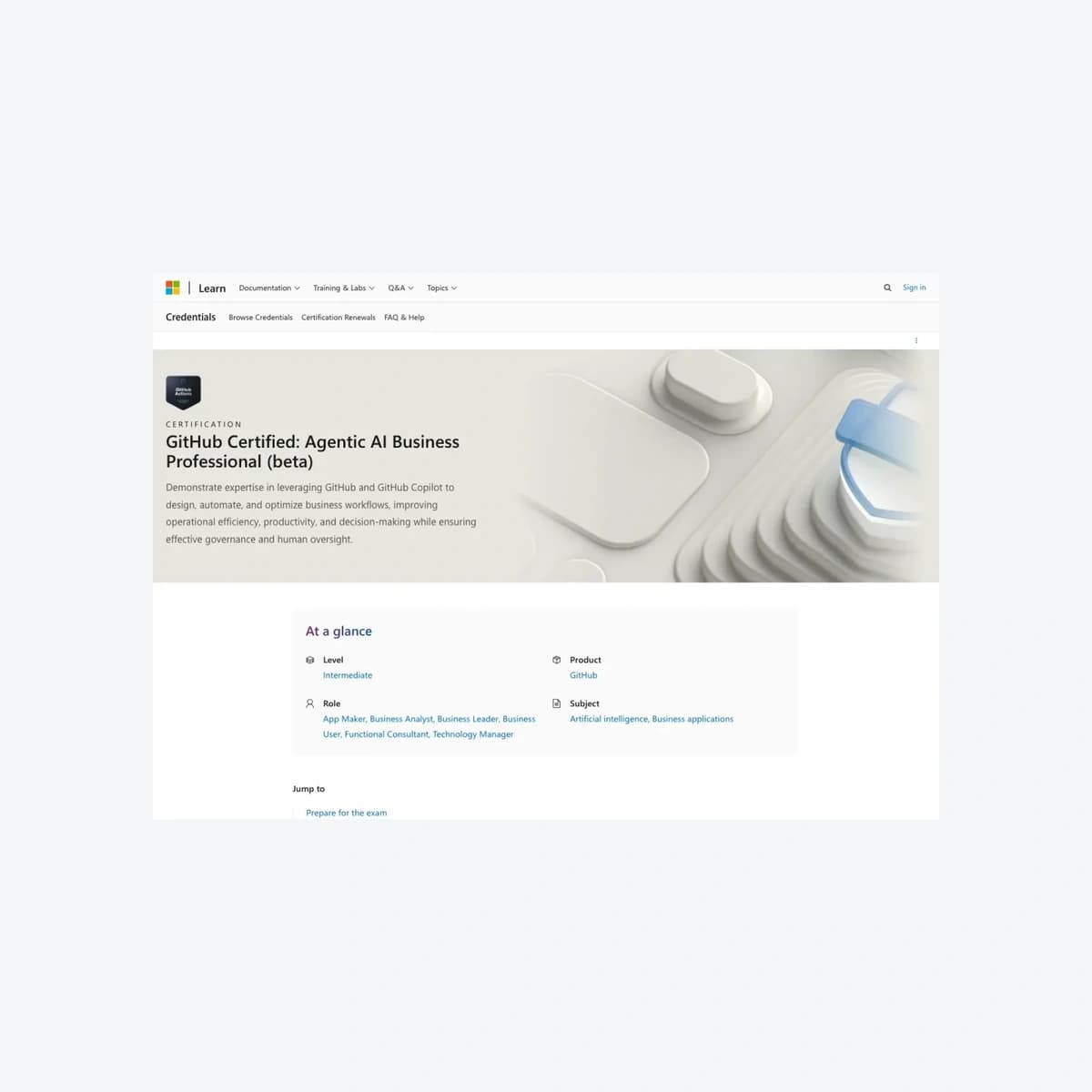
The October 15 announcement introduces GitHub Certified: Agentic AI Business Professional and the beta GH-700 exam, covering workflows and human oversight.
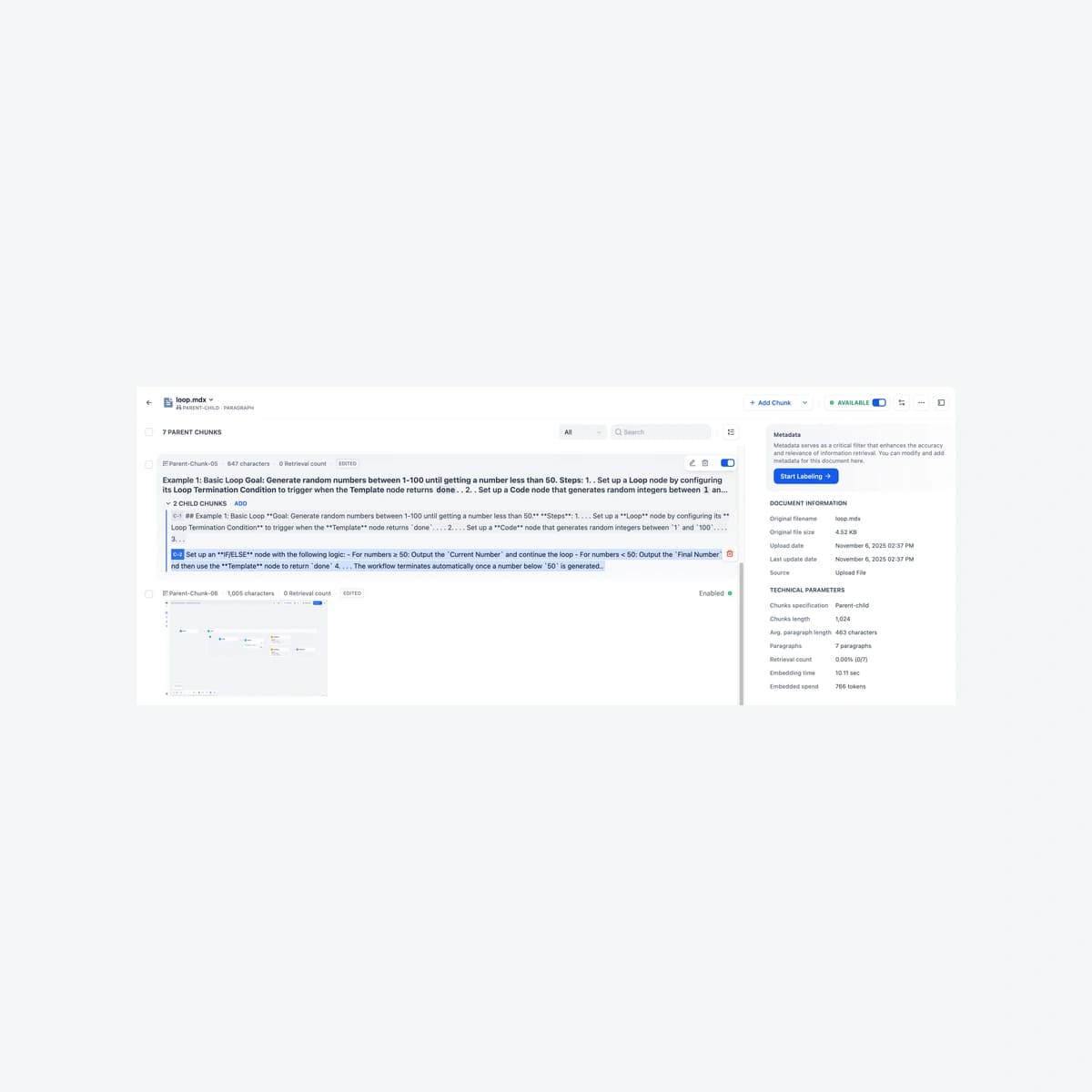
An acceptance checklist for RAG chatbots covering roles, revoked documents and citations, with evidence a business owner can review.
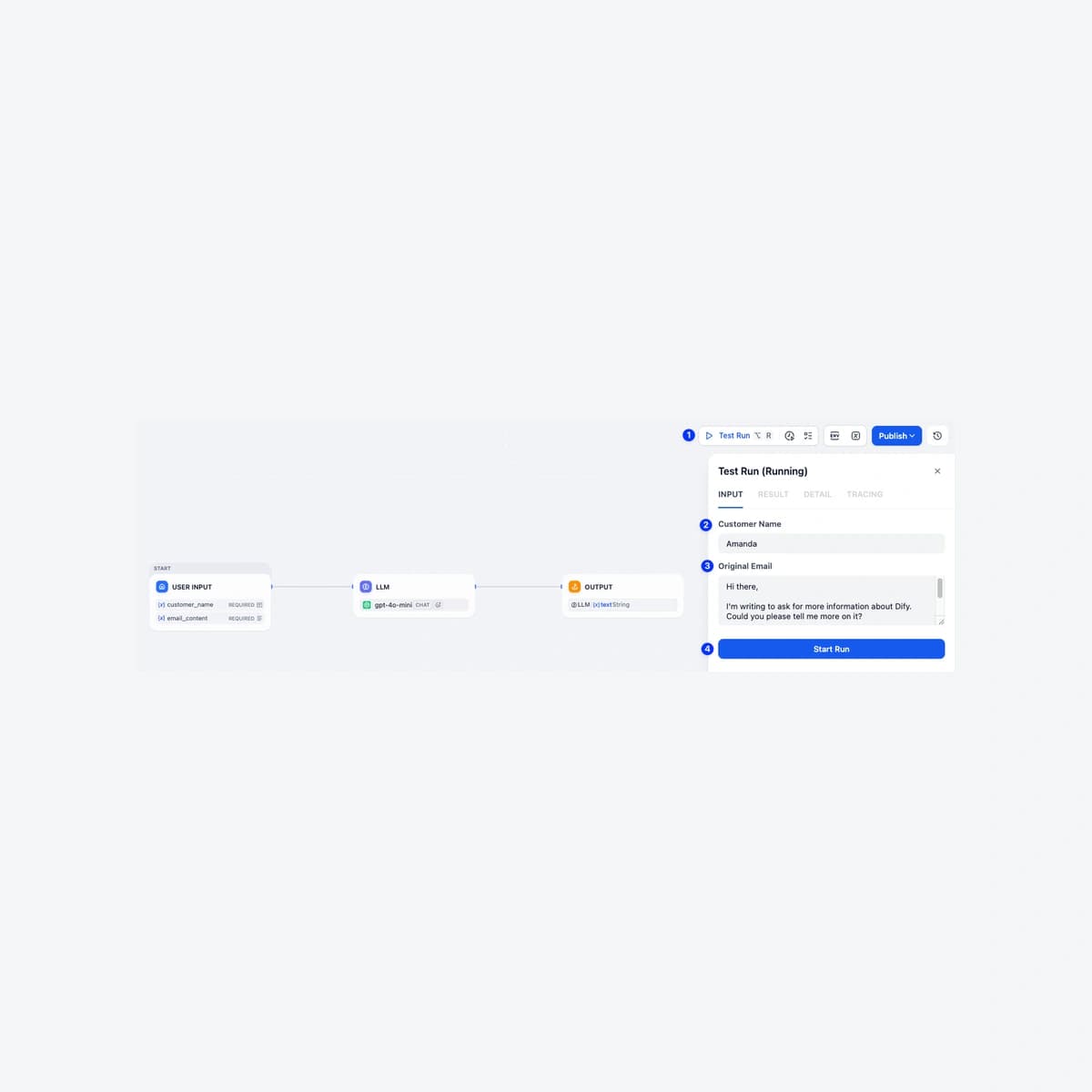
AI should not begin with a demo. Find a repeated, information-heavy task with an accountable owner and test there first.
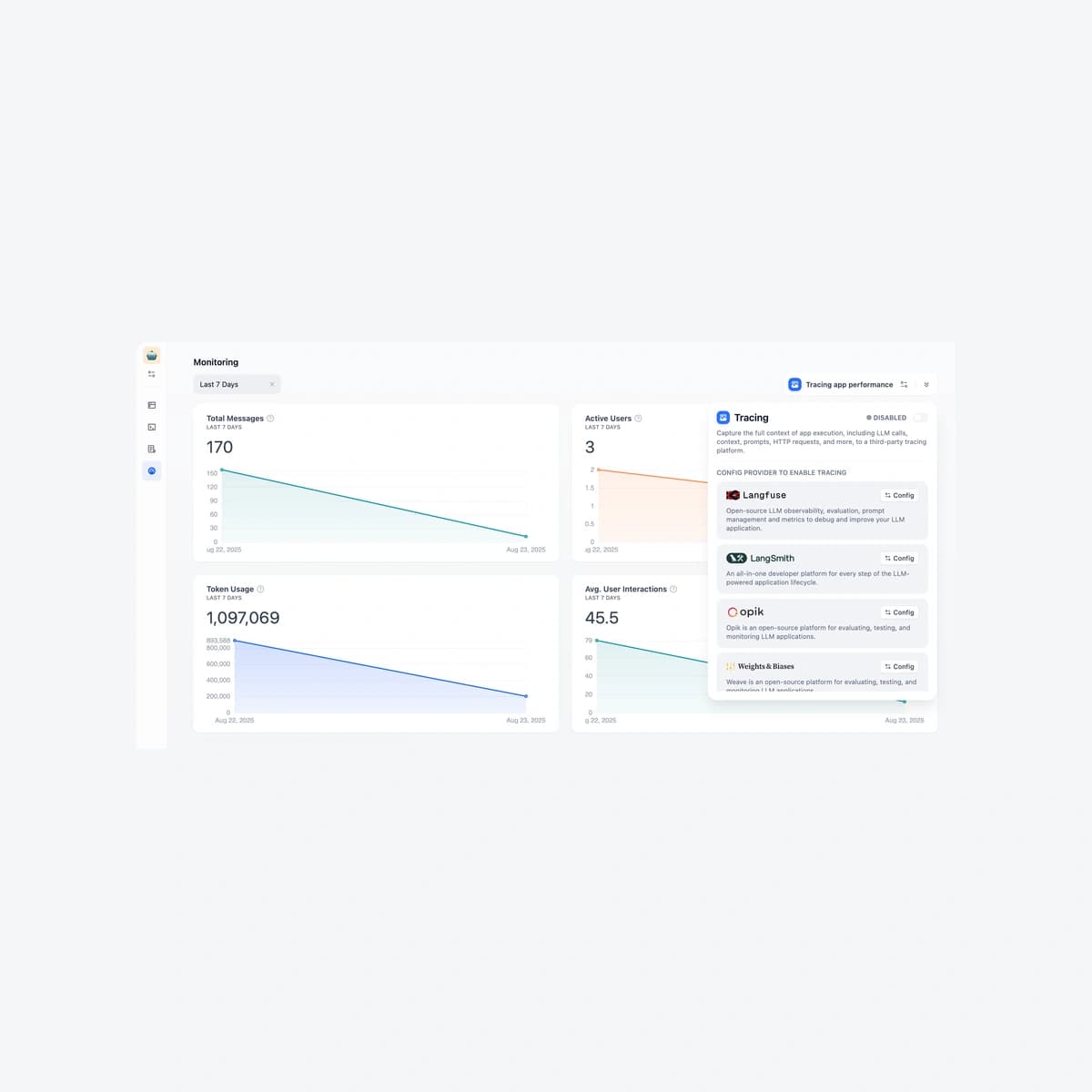
A framework for budgeting an AI chatbot across the use case, data, integrations, quality evaluation, access controls and ongoing operation.
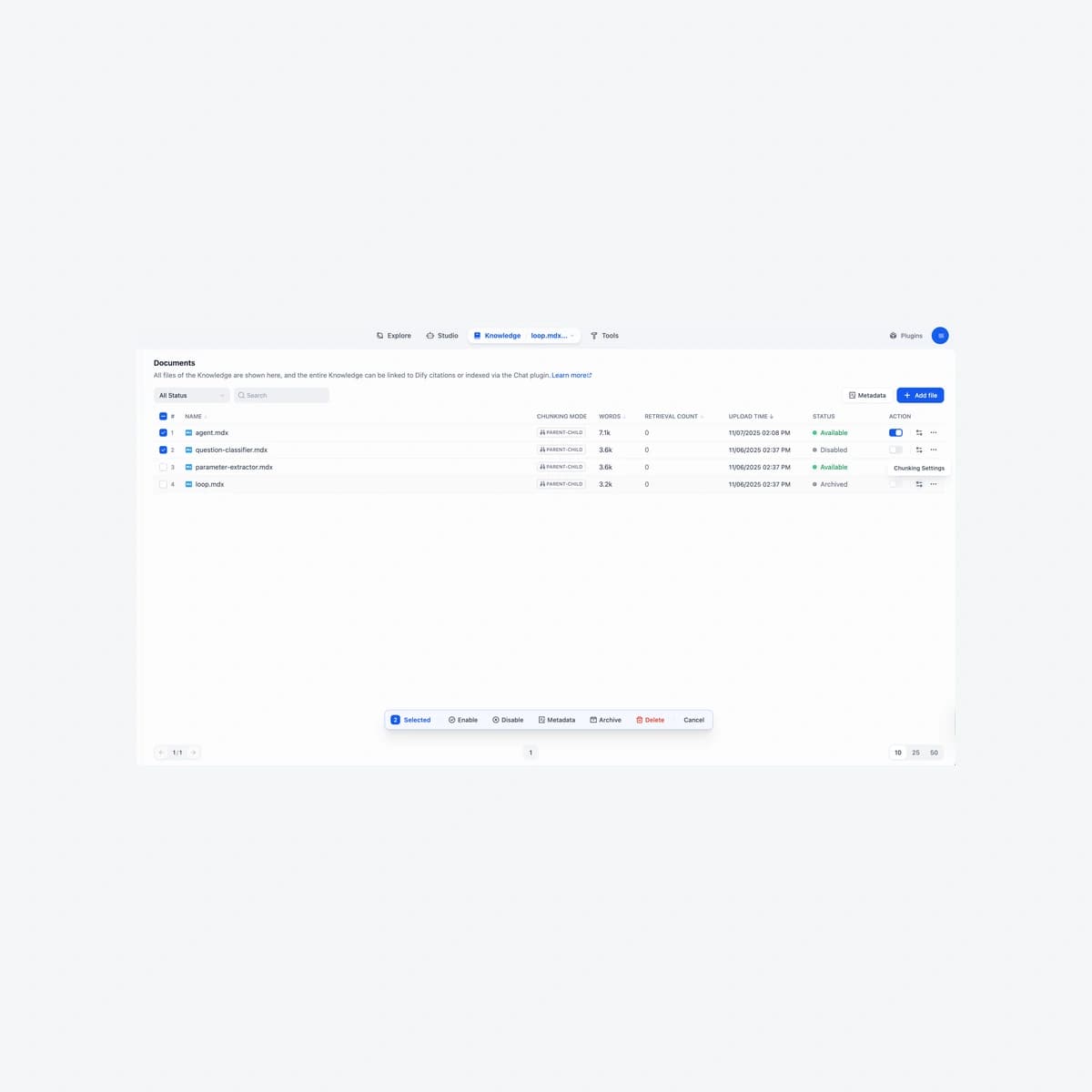
An AI agent cannot answer reliably when its source data is mixed up. Six steps to define scope, access and review before building.
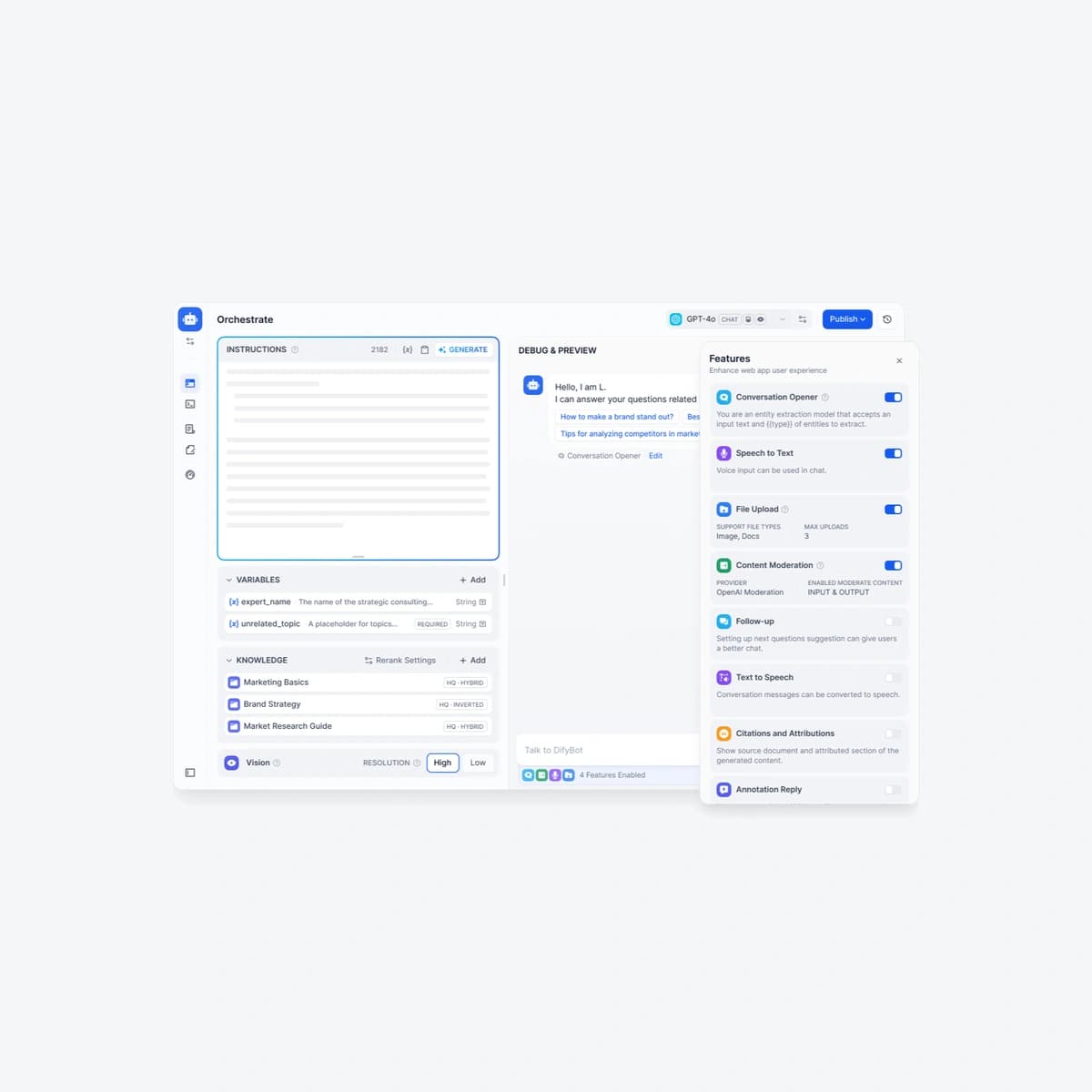
Prepare approved knowledge, answer boundaries, human handoff and acceptance tests for a website AI chatbot. Start with one service, not every company document.
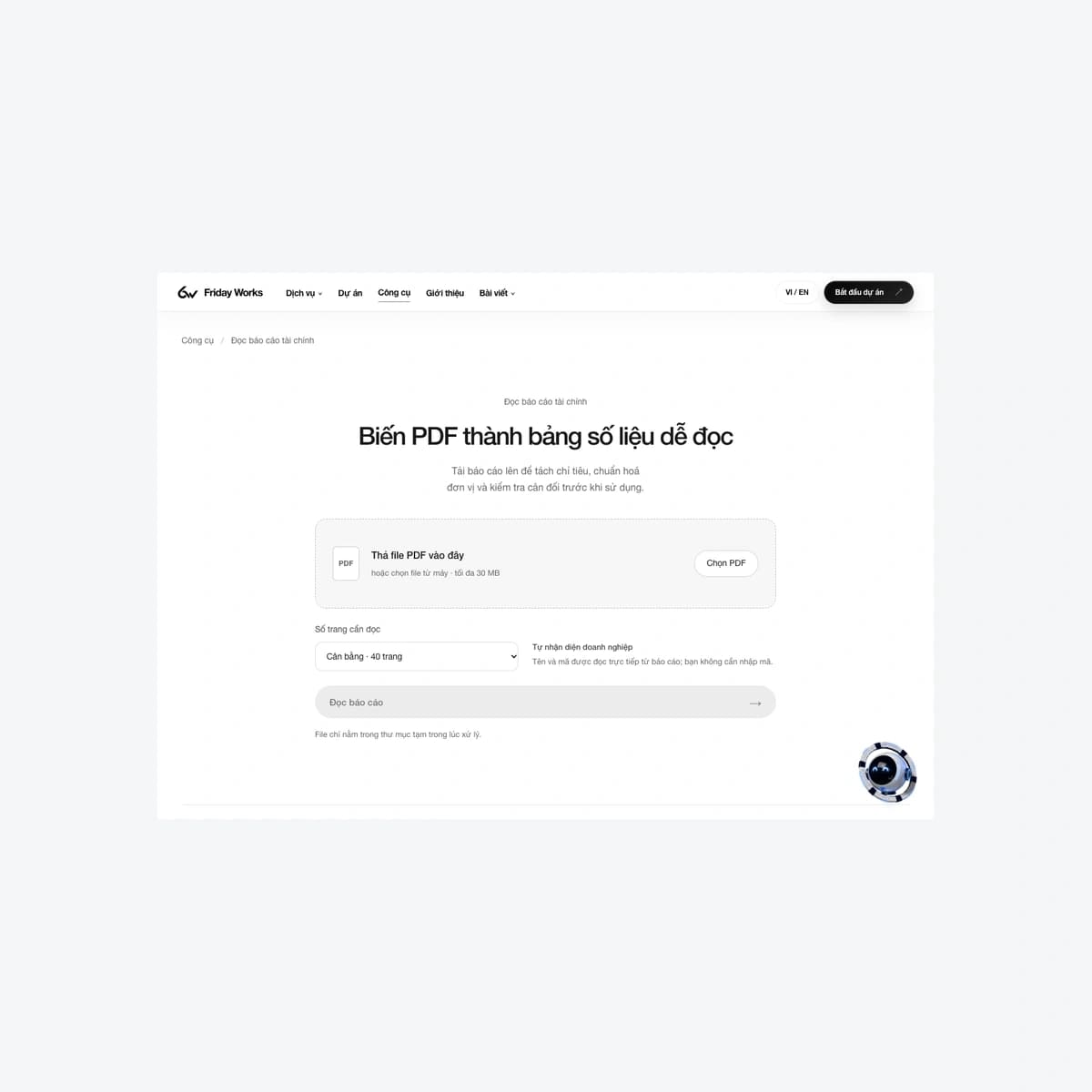
A practical workflow for OCRing scanned financial-statement PDFs, normalising units, preserving source pages and verifying extracted figures.
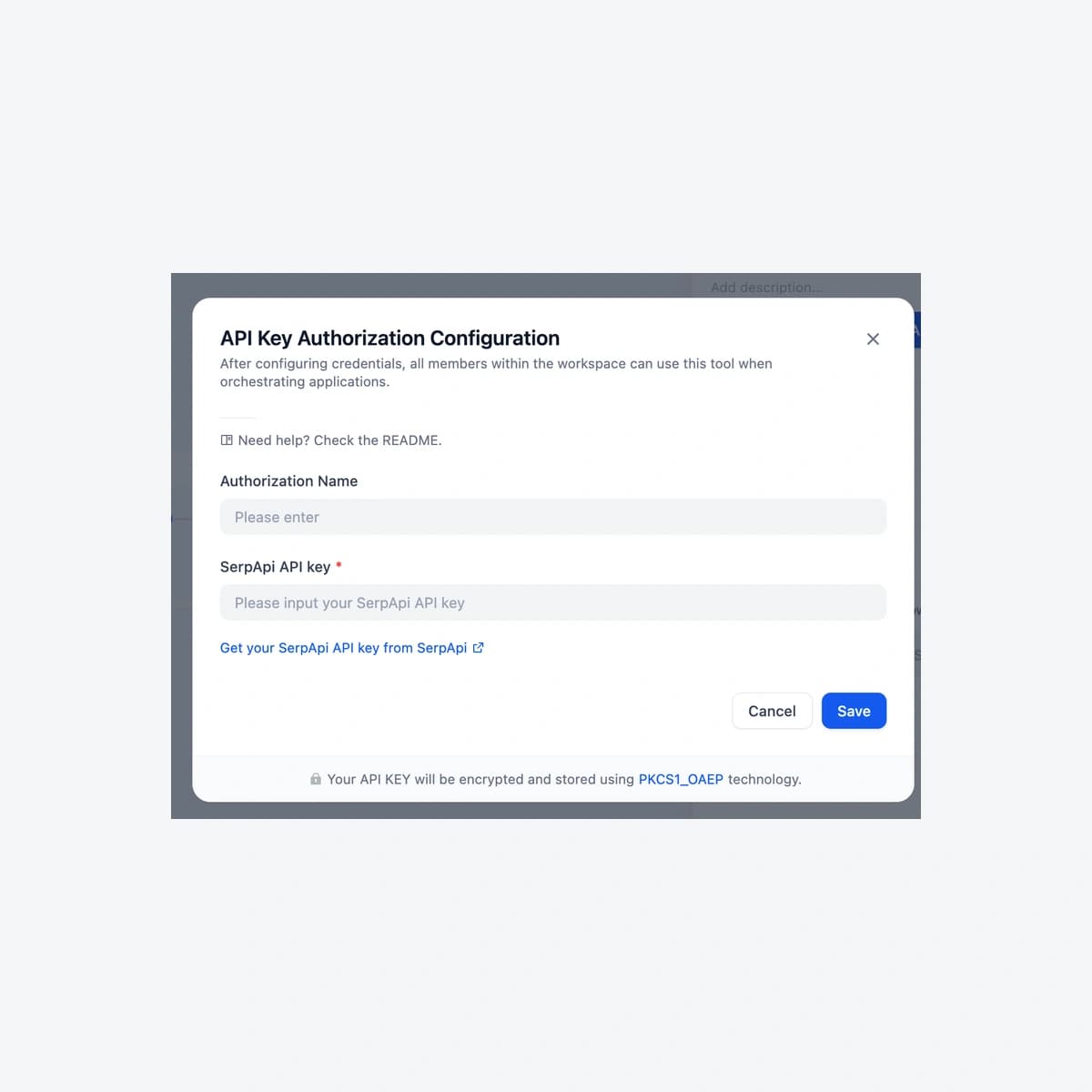
An architecture for integrating AI into business systems through APIs, permissioned data, evals, human review, observability and controlled rollout.
Budget enterprise AI implementation across the use case, data, integration, evaluation, usage and the operating capability needed after launch.
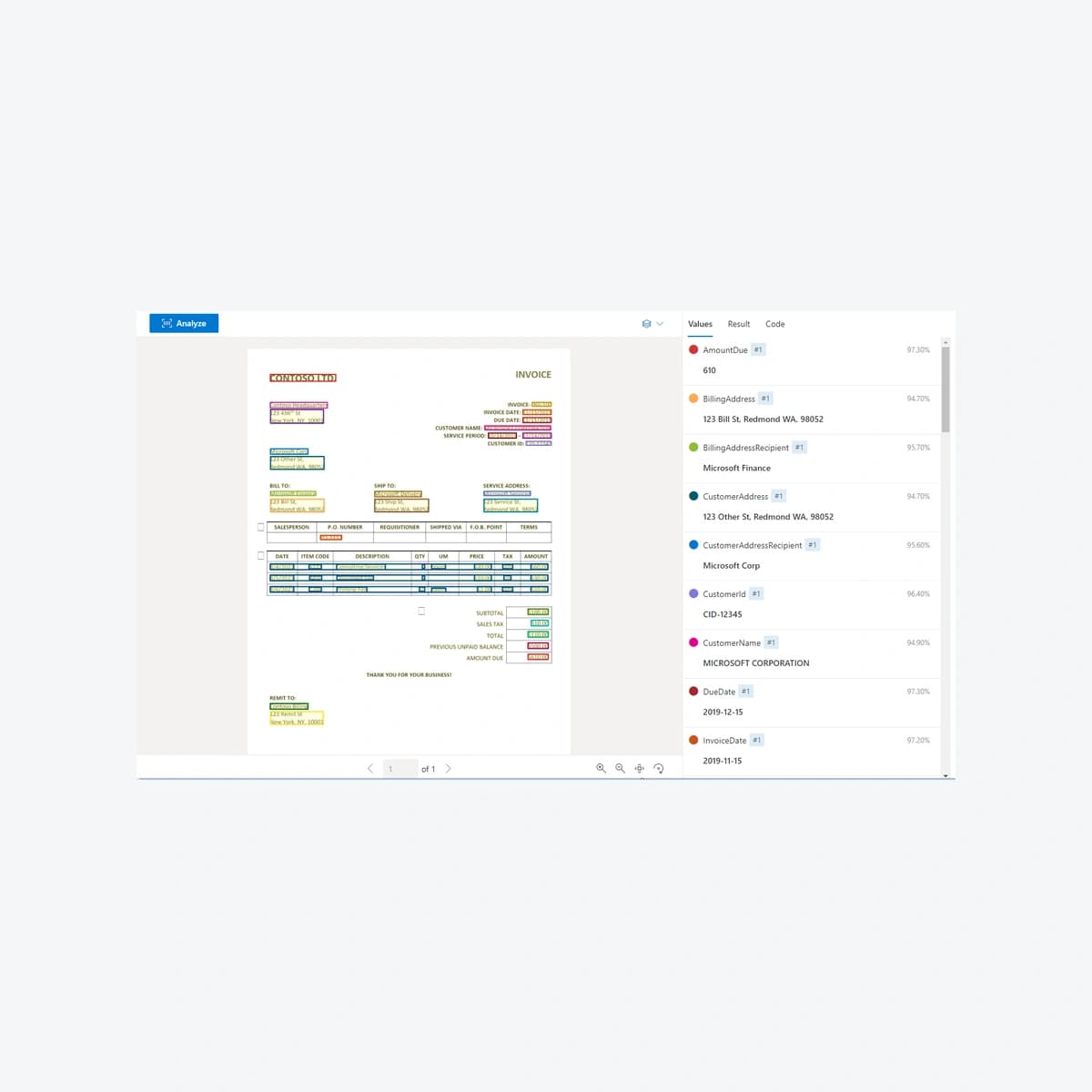
A practical Document AI architecture for invoice, contract and PDF OCR, from ingestion and field extraction to human review and ERP or CRM integration.
Evaluate an enterprise AI partner through use cases, data, evaluation, integration, security, operating cost, ownership and pilot criteria.
How RAG helps AI answer from company documents with citations, access controls and a clear evaluation process.
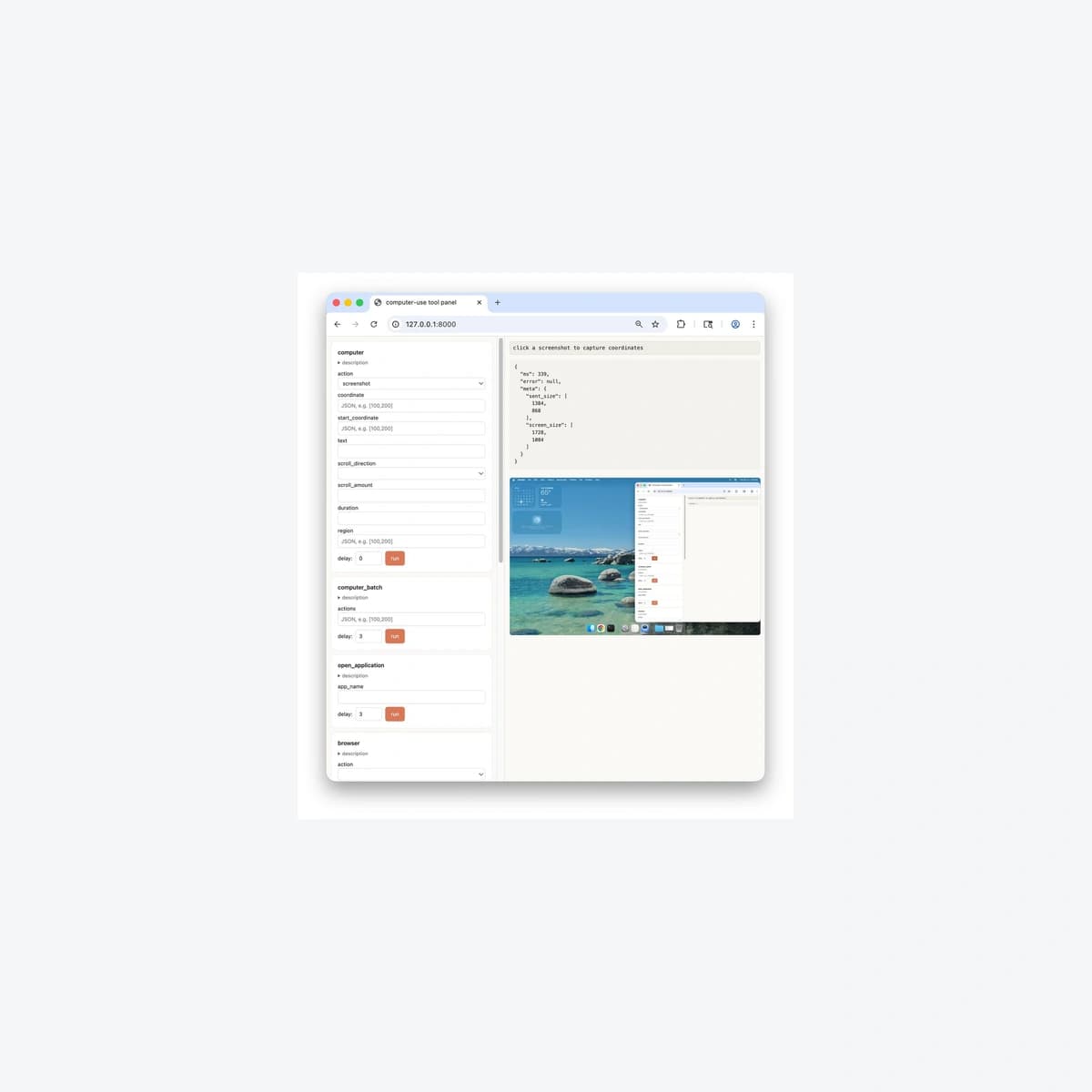
Understand AI agents, distinguish them from chatbots and choose a safe workflow for a 30-day pilot.
A practical path to adopting AI by starting with the business problem, not the tool.